
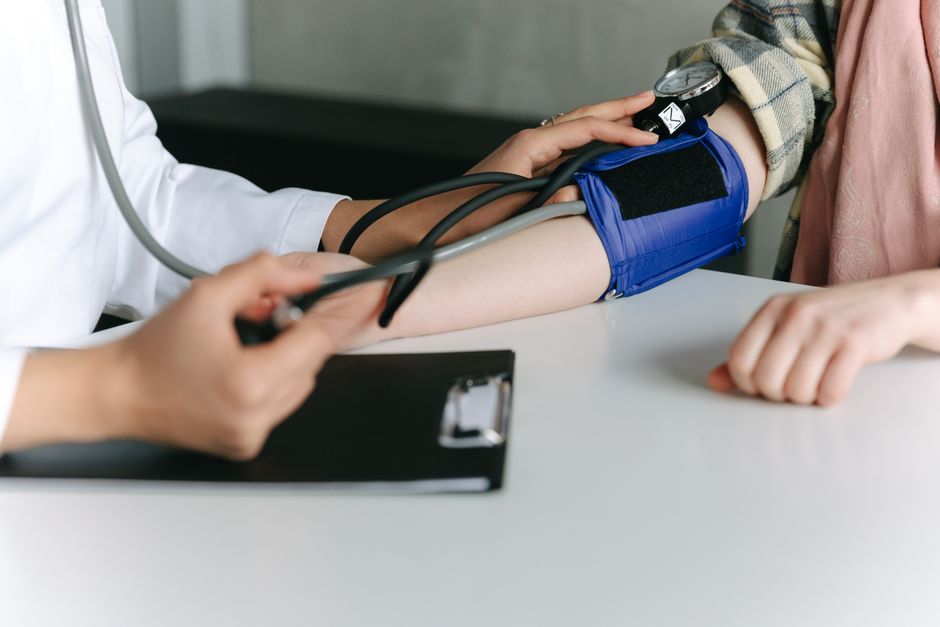
If your blood pressure is running high, the fastest way to bring it down depends on why it is high. For a sudden, dangerous spike, you need medical help immediately. For a gradual, everyday elevation, specific breathing techniques, hydration, and removing yourself from a stressful situation can lower your numbers within minutes. The most reliable long-term approach, however, involves consistent lifestyle changes that keep your pressure down over days and weeks, not just for a single reading.
What Is a Dangerous Blood Pressure Spike?
Blood pressure is measured in millimeters of mercury (mmHg) and recorded as two numbers. The top number is systolic pressure, the force when your heart beats. The bottom number is diastolic pressure, the force when your heart rests between beats. Normal blood pressure is below 120/80 mmHg.
Hypertensive crisis is a medical emergency. This occurs when your blood pressure suddenly rises above 180/120 mmHg. If you get a reading that high, wait five minutes and check again. If it is still that high, contact your doctor immediately. If you also have chest pain, shortness of breath, back pain, numbness, weakness, vision changes, or difficulty speaking, call 911. Do not wait. Do not try to lower it yourself at home. This is a situation that requires urgent medical treatment.
Do not drive yourself to the emergency room if you are experiencing these symptoms. Call for an ambulance so medical staff can begin treatment on the way.
How To Bring Your Blood Pressure Down Quickly With Breathing
Slow, deep breathing is one of the few techniques that can lower blood pressure in real time. The mechanism is well established. Slow breathing activates the parasympathetic nervous system, which is the “rest and digest” branch of your nervous system. This counteracts the sympathetic “fight or flight” response that raises your heart rate and constricts your blood vessels.
The specific technique that has been studied is called device-guided slow breathing. It typically involves inhaling for about five seconds and exhaling for about five seconds, creating a breathing rate of about six breaths per minute. Some research suggests this can produce a measurable drop in blood pressure within a few minutes of practice.
You do not need a device to do this. Sit comfortably with your back supported. Place one hand on your chest and one on your belly. Inhale slowly through your nose, letting your belly expand. Exhale slowly through your mouth, taking longer than your inhale if you can. Continue for five to ten minutes. This is not a treatment for a hypertensive crisis, but it can help lower a mildly elevated reading and reduce stress-related spikes.
Does Cold Water or a Cool Environment Help?
Splashing cold water on your face triggers the mammalian dive reflex. This is a physiological response that slows your heart rate and constricts blood vessels in your extremities. The purpose is to conserve oxygen when you are submerged in water. This reflex can produce a temporary drop in blood pressure.
However, the effect is short-lived and not a practical strategy for managing high blood pressure throughout the day. Moving to a cooler, quieter room can help in a different way. Heat causes blood vessels to dilate, which can lower blood pressure. But extreme heat, like a hot shower or sauna, can cause dehydration and lead to a rebound spike. If you are overheated and your blood pressure is elevated, moving to a cool room and drinking water is a reasonable step. Just understand the effect is temporary.


Can Hydration Lower Blood Pressure Quickly?
Dehydration can cause blood pressure to drop or spike, depending on the situation. When you are dehydrated, your blood volume decreases. This can cause your blood pressure to fall. However, the body responds to low blood volume by releasing hormones that constrict blood vessels. This can raise blood pressure in some people.
If you are mildly dehydrated, drinking a glass of water can help normalize your blood pressure within 30 to 60 minutes. The effect is modest. Drinking water does not rapidly lower blood pressure in someone who is already well hydrated. If you are properly hydrated, drinking more water will not produce a significant drop in your numbers.
Avoid sugary drinks and caffeinated beverages when trying to lower blood pressure. Sugary drinks can cause a spike in blood sugar, which can affect blood pressure. Caffeine can cause a short-term increase in blood pressure, especially in people who do not consume it regularly.
What About Caffeine and Alcohol?
Caffeine is a stimulant. It temporarily raises blood pressure by blocking a hormone that keeps arteries widened. In people who do not drink coffee regularly, a single cup can raise blood pressure by several points within 30 minutes. The effect typically lasts for a few hours. Regular coffee drinkers develop a tolerance, and the effect diminishes over time.
Alcohol has a more complex relationship with blood pressure. Small amounts may temporarily lower blood pressure. Larger amounts raise it. Binge drinking can cause a significant spike in blood pressure. If you are trying to lower your blood pressure, avoid alcohol entirely during the period you are trying to bring it down. The American Heart Association advises that if you drink alcohol, do so in moderation, which means no more than one drink per day for women and two for men.
How Long Does It Take for Lifestyle Changes to Work?
Lifestyle changes do not work in minutes. They work over days, weeks, and months. But they are the most reliable way to bring blood pressure down and keep it down.
The DASH diet, which stands for Dietary Approaches to Stop Hypertension, is one of the most studied dietary patterns for blood pressure. It emphasizes fruits, vegetables, whole grains, and low-fat dairy. It limits sodium, saturated fat, and added sugars. Research consistently shows that following the DASH diet can lower systolic blood pressure by several points within a few weeks.
Reducing sodium is another key factor. The average American consumes about 3,400 mg of sodium per day. The recommended limit is 2,300 mg per day, which is about one teaspoon of salt. For people with high blood pressure, many doctors recommend a lower target of 1,500 mg per day. Cutting back on processed foods, which are the main source of sodium in the American diet, can produce measurable changes in blood pressure within one to two weeks.
Physical activity also works on a timeline. A single session of aerobic exercise can lower blood pressure for up to 24 hours afterward. This is called post-exercise hypotension. Regular exercise, defined as at least 150 minutes of moderate-intensity activity per week, can produce sustained reductions in blood pressure over several weeks.
When Should You See a Doctor About High Blood Pressure?
High blood pressure is often called the silent killer because it usually has no symptoms. You can have elevated blood pressure for years without knowing it. The only way to know your numbers is to measure them.
If you are checking your blood pressure at home, take it at the same time each day. Sit quietly for five minutes before measuring. Do not smoke, drink caffeine, or exercise within 30 minutes of the measurement. Place the cuff on a bare arm, supported at heart level. Take two readings one minute apart and record both.
If your readings are consistently above 130/80 mmHg, make an appointment with your doctor. This is the threshold at which many doctors begin discussing treatment options, which may include lifestyle changes, medication, or both. If your readings are above 180/120 mmHg, seek emergency care as described earlier.
Do not stop taking blood pressure medication without talking to your doctor. Stopping suddenly can cause a dangerous rebound spike in blood pressure. If you are experiencing side effects from medication, discuss them with your doctor. There are many options available, and finding the right one often requires some adjustment.
Frequently Asked Questions
How fast can breathing exercises lower blood pressure?
Slow breathing at about six breaths per minute can produce a measurable drop in blood pressure within five to ten minutes. The effect is temporary and works best for stress-related elevations, not chronic high blood pressure.
Can drinking water lower blood pressure immediately?
Drinking water can help normalize blood pressure within 30 to 60 minutes if you are dehydrated. It will not significantly lower blood pressure in someone who is already well hydrated.
What is the fastest way to lower blood pressure at home?
Sitting quietly, practicing slow deep breathing for ten minutes, and moving to a cool room are the fastest non-medical ways to lower a mildly elevated reading. A blood pressure reading above 180/120 mmHg requires emergency medical care, not home remedies.
How long does it take for the DASH diet to lower blood pressure?
Research shows the DASH diet can lower systolic blood pressure within two weeks of consistent adherence. The full effect typically appears after several weeks of following the diet strictly.
