
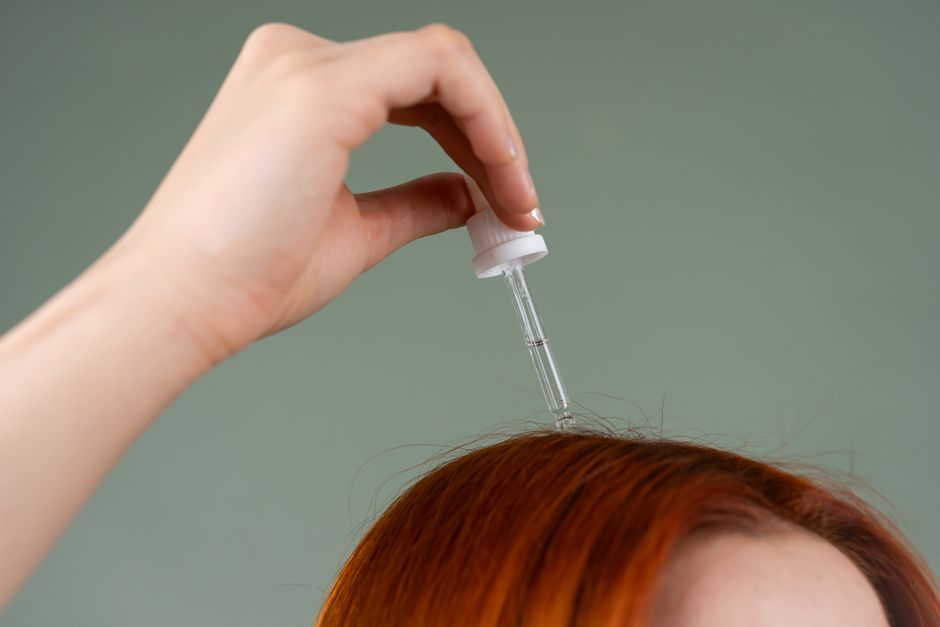
Female hair loss is a common and distressing problem, but it is not something you have to live with silently. The most effective approach to reversing hair loss in females combines identifying the specific cause, using FDA-approved topical treatments, and addressing any underlying medical conditions like iron deficiency or hormone imbalances. Proven treatments exist, and the first step is understanding which type of hair loss you are dealing with.
What Causes Hair Loss in Women?
Hair loss in women is rarely the same as the classic male pattern baldness. Instead, it usually presents as overall thinning, a widening part, or a receding hairline that spares the front. The most common cause is female pattern hair loss, also known as androgenetic alopecia. This is a genetic condition where hair follicles shrink over time, producing thinner and shorter hairs until they stop growing altogether.
However, genetics are only part of the story. A sudden, dramatic shedding of hair often points to a different trigger. Telogen effluvium is a temporary condition where stress, illness, childbirth, or rapid weight loss pushes a large number of hair follicles into a resting phase. This usually results in clumps of hair falling out two to three months after the triggering event. This type of shedding is typically reversible once the underlying stressor is resolved.
Other causes include hormonal shifts from pregnancy or menopause, thyroid disorders, and nutritional deficiencies. A dermatologist can determine the root cause with a simple blood test and a scalp examination. Guessing is rarely effective because a treatment that works for one cause will not work for another.
How To Reverse Hair Loss In Females Proven Treatments
The gold standard for treating female pattern hair loss is minoxidil, available over the counter as a topical solution or foam. It is the only topical medication approved by the FDA for female hair loss. Minoxidil works by stimulating hair follicles and prolonging the growth phase of the hair cycle. It does not work overnight; visible results typically require four to six months of consistent daily use.
Another proven option is spironolactone, an oral medication that blocks androgen hormones from shrinking hair follicles. While not specifically FDA-approved for hair loss, it is widely prescribed by dermatologists for this purpose and has strong evidence supporting its effectiveness. It is important to note that spironolactone can cause birth defects, so it is not an option for women who are pregnant or planning to become pregnant.
Low-level laser therapy is another FDA-cleared treatment. Devices like laser combs and helmets emit red light that penetrates the scalp and stimulates cellular activity in hair follicles. Clinical trials have shown it to be effective for some women, though results vary. It is a reasonable addition to a treatment plan but is rarely sufficient as a standalone therapy.
Can Hair Loss Be Reversed by Fixing Nutrient Deficiencies?
Yes, but only if a deficiency is actually the cause. Iron deficiency is one of the most common reversible causes of hair loss in premenopausal women. If a blood test shows low ferritin levels, which indicate stored iron, supplementation can help restore normal growth. However, taking iron without a confirmed deficiency does not help and can cause gastrointestinal side effects.
Vitamin D deficiency has also been linked to hair thinning in several studies. The evidence is not as strong as it is for iron, but correcting a low vitamin D level is generally safe and may support hair health. Biotin, a popular over-the-counter supplement, is often marketed for hair growth, but the evidence is weak. Biotin deficiency is extremely rare, and most women who take it see no benefit because they were never deficient in the first place.
Protein is another factor. Hair is made almost entirely of protein, and severe protein restriction can cause shedding. If you are eating a balanced diet with adequate protein, adding more will not accelerate hair growth.





What Role Do Hormones Play in Female Hair Loss?
Hormonal changes are a major driver of hair loss in women. During menopause, estrogen levels drop, which can unmask a genetic predisposition to hair thinning. This is why many women first notice hair loss in their 50s and 60s. Hormone replacement therapy can sometimes help, but it is not primarily prescribed for hair loss and carries its own risks that must be discussed with a doctor.
Polycystic ovary syndrome, or PCOS, is another hormonal condition that can cause hair thinning. In PCOS, the body produces higher levels of androgens, which can shrink hair follicles. Treating PCOS through lifestyle changes, metformin, or anti-androgen medications may help slow or partially reverse the hair loss.
Thyroid disease, both underactive and overactive, can cause diffuse hair shedding. If a thyroid condition is diagnosed and properly managed with medication, hair growth usually returns to normal within several months. It is critical to have thyroid function tested, as this is a highly treatable cause.
Are There Effective Non-Medical Treatments?
Platelet-rich plasma, or PRP, therapy is a procedure where a sample of your blood is spun to concentrate platelets, which are then injected into the scalp. These platelets release growth factors that may stimulate hair follicles. Some clinical studies show promising results, but the evidence is not as robust as it is for minoxidil or spironolactone. It is also expensive and requires multiple sessions, and results are not guaranteed.
Hair transplant surgery is a permanent solution for some women, but it is only appropriate for those with a stable pattern of hair loss and sufficient donor hair. It is a surgical procedure with real risks, including infection and scarring. It works best for women with localized thinning rather than diffuse thinning across the entire scalp.
Scalp microneedling, which uses tiny needles to create micro-injuries in the skin, has gained popularity. Some small studies suggest it may enhance the effects of minoxidil when used together. The evidence is preliminary, and the procedure should be done by a professional to avoid infection or scarring.
How Long Does It Take To See Results?
Patience is essential when treating hair loss. Hair grows slowly, and it takes time for new growth to become visible. With consistent use of minoxidil, most women notice a reduction in shedding within two to three months, with visible regrowth at four to six months. The full effect may not be apparent until a year of continuous use.
Spironolactone typically takes six to twelve months to show noticeable improvement. PRP results are usually seen after three to four sessions spaced a month apart, but maintenance sessions are often needed. If no improvement is seen after a year of consistent treatment, it is reasonable to revisit the diagnosis and consider alternative approaches.
One important warning: stopping topical minoxidil causes the hair loss to return within a few months. These treatments manage the condition; they do not cure it. Long-term commitment is required to maintain results.
When Should You See a Doctor?
You should see a dermatologist as soon as you notice persistent thinning or shedding. Early intervention produces better outcomes. A dermatologist can perform a scalp biopsy if the diagnosis is unclear and can order the appropriate blood tests to rule out thyroid disease, iron deficiency, and hormonal imbalances.
Sudden, rapid hair loss that comes out in clumps warrants a prompt medical evaluation. This can be a sign of an autoimmune condition like alopecia areata, which requires different treatment such as corticosteroid injections. Do not self-diagnose. The treatments that work for female pattern hair loss will not work for autoimmune hair loss, and vice versa.
It is also worth knowing that some medications, including certain blood pressure drugs and antidepressants, can cause hair loss as a side effect. A doctor can help determine if a medication change is appropriate. Never stop a prescribed medication without medical supervision.
What About Hair Growth Shampoos and Natural Remedies?
The market is flooded with shampoos, serums, and natural oils that claim to reverse hair loss. Most of these products have no clinical evidence to support their claims. A shampoo cannot change the biology of the hair follicle because it is rinsed off within minutes. Some contain ingredients like caffeine or ketoconazole, which have shown modest effects in small studies, but they are not a substitute for proven treatments.
Rosemary oil has been compared to minoxidil in one small study and showed comparable results. This is promising but preliminary. If you choose to try it, it is safe for most people, but it is not a proven replacement for minoxidil. Be wary of any product that promises dramatic regrowth in weeks. Real treatments take months and are backed by clinical trials, not testimonials.
Frequently Asked Questions
Can female hair loss grow back naturally?
Yes, if the cause is temporary, such as stress, illness, or a nutritional deficiency, hair often regrows on its own within six months. If the cause is genetic, natural regrowth is unlikely without treatment.
Is minoxidil safe to use for women?
Yes, minoxidil is FDA-approved for women and is safe when used as directed. The main side effect is scalp irritation, and it must be used consistently to maintain results.
What blood tests should I ask for if I have hair loss?
Ask your doctor for a complete blood count, ferritin, thyroid function tests, vitamin D, and androgen levels. These tests identify the most common treatable causes of female hair loss.
Does wearing tight hairstyles cause permanent hair loss?
Tight ponytails, braids, or extensions can cause traction alopecia, which becomes permanent if the tension continues for years. Early intervention by changing hairstyles can allow the hair to regrow.
