
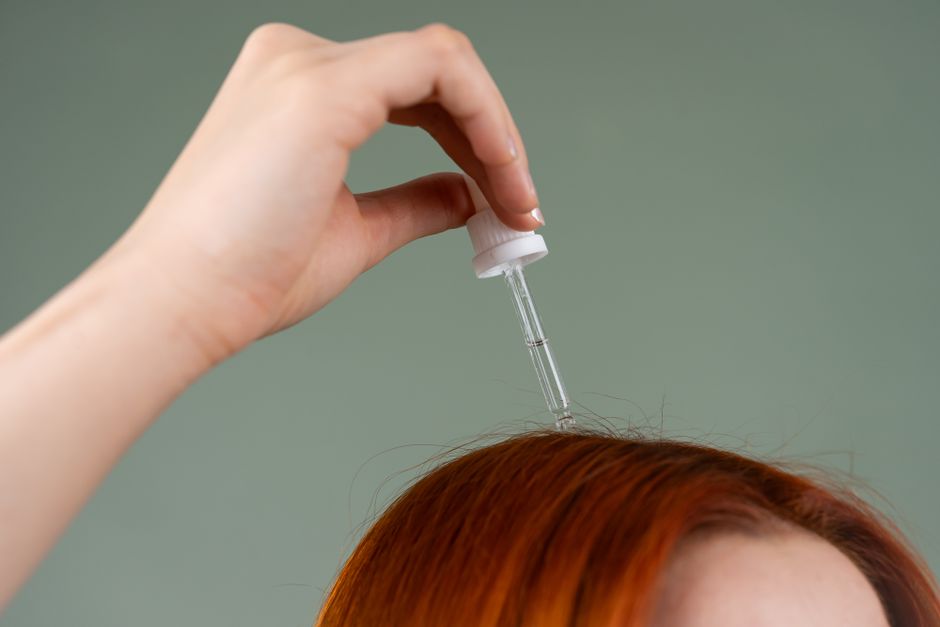
Yes, low estrogen can cause hair loss. Estrogen is a key hormone that helps keep hair in its growing phase for longer. When estrogen levels drop—like after childbirth, during perimenopause, or after menopause—more hair shifts into the shedding phase. This often leads to noticeable thinning. The good news is that this type of hair loss is usually temporary, and there are evidence-based ways to manage it.
How Does Low Estrogen Affect Hair Growth?
Hair grows in cycles. Each follicle goes through a growing phase, a resting phase, and a shedding phase. Estrogen influences this cycle directly. When estrogen is present at normal levels, it extends the growing phase. Hair stays on your head longer and looks fuller.
When estrogen drops, that protection fades. More hair follicles enter the shedding phase at the same time. You may notice extra hair in your brush or shower drain. This condition is called telogen effluvium. It is a common response to hormonal shifts, not a sign of permanent damage.
The effect is usually delayed. You may not see shedding until two to three months after the hormone change. That delay often confuses people. They connect the hair loss to something recent, not the hormone shift from months earlier.
What Causes Estrogen Levels to Drop?
Several life stages and situations can trigger low estrogen. Each one affects hair differently.
- Postpartum: After giving birth, estrogen levels fall sharply. Many women notice heavy shedding around three months after delivery. This is normal and usually resolves within six to twelve months.
- Perimenopause and menopause: As ovaries produce less estrogen, hair often becomes thinner. This is a gradual process that mirrors the slow decline in hormone levels.
- Stopping birth control: Hormonal contraceptives contain estrogen or progestin. When you stop them, your body may take time to resume its own hormone production. Some women notice shedding during this adjustment.
- Medical treatments: Certain medications, including some cancer treatments, lower estrogen. Hysterectomy or oophorectomy (removal of the ovaries) can also cause a sudden drop.
If you are unsure why your estrogen is low, a blood test can help. Your doctor can check your hormone levels and rule out other causes of hair loss.
Is It Low Estrogen or Something Else?
Hair loss has many causes. Low estrogen is one of them, but it is not the only one. Before assuming hormones are the issue, consider other possibilities.
Thyroid disorders are a common cause of diffuse hair thinning. Both an underactive and overactive thyroid can affect hair growth. A simple blood test can check your thyroid hormone levels.
Iron deficiency is another frequent culprit. Low ferritin levels can cause shedding even without anemia. Your doctor can test your iron stores with a blood test.
Androgenetic alopecia is a genetic form of hair loss. It is often called female pattern hair loss. This type causes thinning at the crown and widening of the part line. It is not caused by low estrogen, though the two can overlap during menopause.
Stress, rapid weight loss, and certain medications can also trigger shedding. If your hair loss is sudden, patchy, or accompanied by scalp redness or pain, see a doctor. These signs point to other conditions that need evaluation.





Does Low Estrogen Cause Hair Loss? Causes And Treatments
The link between low estrogen and hair loss is well established. But treating it requires knowing the cause. If low estrogen is confirmed, treatment options vary depending on your stage of life and overall health.
For women in perimenopause, hormone replacement therapy (HRT) is sometimes prescribed. HRT can help restore estrogen levels and may improve hair density. However, HRT is not approved specifically for hair loss. It is prescribed for menopausal symptoms like hot flashes. Hair improvement may be a secondary benefit. The decision to use HRT involves weighing risks and benefits with your doctor.
For postpartum hair loss, no treatment is needed. The shedding is temporary. Your hair will typically return to its normal cycle within a year. Patience is the main approach here.
Topical minoxidil is a proven treatment for hair loss. It is available over the counter. Minoxidil works by stimulating hair follicles and prolonging the growing phase. It can be used alongside hormone treatment or on its own. Results take time. You need to use it consistently for several months before seeing improvement.
Some clinicians recommend supplements like biotin or iron. These only help if you have a deficiency. Taking extra biotin when your levels are normal will not stop hormonal shedding. It is best to test before supplementing.
What Can You Do at Home?
While you cannot fully control hormone shifts, you can support your hair during this time. Gentle hair care makes a difference. Avoid tight hairstyles that pull on the roots. Use a wide-tooth comb instead of a brush on wet hair. Heat styling can worsen breakage, so keep it minimal.
Nutrition matters for hair growth. Hair follicles are among the most active cells in the body. They need protein, iron, zinc, and vitamins to function. A balanced diet with adequate protein is a reasonable foundation. If you eat a varied diet, you likely get what you need. If you are unsure, a blood test can identify specific deficiencies.
Managing stress is also worth attention. High stress can trigger or worsen shedding. This does not mean stress causes permanent hair loss. It means stress can push more follicles into the resting phase. Finding ways to manage stress—through exercise, sleep, or other methods—supports overall health, including hair.
When Should You See a Doctor?
Some hair shedding is normal. Losing 50 to 100 hairs a day is expected. You only need to worry if you notice visible thinning, bald patches, or clumps of hair coming out. If your part line is widening, or your ponytail feels thinner than before, it is worth a checkup.
A doctor can run blood tests to check estrogen, thyroid, iron, and other markers. They can also examine your scalp to look for signs of other conditions. If your shedding started after a specific event—like childbirth, stopping birth control, or surgery—mention that timeline. It helps narrow the cause.
If you are considering hormone therapy or any prescription treatment, discuss it with your doctor first. Do not self-prescribe hormones. They have real effects on your body beyond hair.
What Is the Outlook for Low Estrogen Hair Loss?
The prognosis depends on the cause. Postpartum shedding almost always resolves on its own. Menopause-related thinning may continue gradually as hormone levels stay low. But even then, treatment options exist.
Hair regrowth is slow. On average, hair grows about half an inch per month. It can take six to twelve months to see meaningful improvement after treatment starts. This timeline is normal. Do not expect overnight results.
If your hair loss is due to low estrogen, addressing the hormone imbalance is the most direct approach. Whether that means HRT, topical minoxidil, or simply waiting for your body to adjust, the key is identifying the cause first.
Frequently Asked Questions
Will hair loss from low estrogen grow back?
Yes, in most cases it will. Shedding from postpartum or stopping birth control is temporary, and hair typically returns within a year. For menopause-related thinning, regrowth may be slower, but treatments like minoxidil can help.
How long does low estrogen hair loss last?
It depends on the trigger. Postpartum shedding usually lasts a few months and resolves on its own. Menopause-related thinning can continue gradually unless hormone levels are addressed with treatment.
Can hormone replacement therapy fix hair loss?
HRT can improve hair density in some women by restoring estrogen levels. However, it is not approved specifically for hair loss and is prescribed for menopausal symptoms. Discuss the risks and benefits with your doctor.
What vitamin deficiency causes hair loss?
Iron deficiency is a common cause, especially in women. Low levels of vitamin D and certain B vitamins have also been linked to shedding, though the evidence is less strong. A blood test can confirm whether you have a deficiency.
