

Low blood sugar, or hypoglycemia, happens when your glucose level drops below 70 mg/dL. For most people, this means the body has too much insulin relative to the amount of glucose in the blood. The most common cause in people with diabetes is taking too much insulin or diabetes medication, skipping a meal, or exercising more than usual without adjusting food or medication. For people without diabetes, the causes are less common and usually point to an underlying medical condition.
What Exactly Is Hypoglycemia and How Low Is Too Low?
Hypoglycemia is a condition where your blood glucose falls below normal levels. The American Diabetes Association defines it as a blood sugar reading of 70 mg/dL or lower. This number is not random. It is the point where the body’s stress response kicks in to protect the brain.
The brain relies almost entirely on glucose for energy. When levels drop too low, it cannot function properly. Symptoms can range from mild shakiness and confusion to seizures and loss of consciousness. Severe hypoglycemia is a medical emergency.
It is important to understand that a single low reading does not always mean you have a chronic problem. Many people experience a brief dip in blood sugar after a high-carb meal when the body overproduces insulin. This is called reactive hypoglycemia and is usually not dangerous.
What Causes Glucose To Be Low Hypoglycemia in People With Diabetes?
For people with diabetes, the causes are usually tied to medication. Insulin and certain oral diabetes drugs like sulfonylureas work by lowering blood sugar. If the dose is too high for the amount of food eaten, blood sugar can drop too low.
Common triggers include:
- Taking too much insulin or diabetes medication
- Skipping or delaying a meal
- Eating less carbohydrate than usual
- Exercising more intensely or for longer than normal
- Drinking alcohol, especially on an empty stomach
- Illness that affects appetite or digestion
Research published in the journal Diabetes Care shows that people with type 1 diabetes experience an average of two episodes of mild hypoglycemia per week. For type 2 diabetes, the rate is lower but still significant, especially for those on insulin.
One non-obvious point: blood sugar can drop hours after exercise, not just during it. This is called delayed hypoglycemia. The muscles continue to pull glucose from the blood to repair themselves for up to 24 hours after a workout. People on insulin need to plan for this.
What Causes Low Blood Sugar in People Without Diabetes?
This is where things get less straightforward. Hypoglycemia in people without diabetes is rare. When it does happen, there is usually an identifiable cause.
One cause is a medication side effect. Certain drugs for malaria, pneumonia, or kidney disease can lower blood sugar. Accidental ingestion of diabetes medication by a child or someone without diabetes is another possibility.
Another cause is an underlying medical condition. Liver disease, kidney failure, or a tumor in the pancreas called an insulinoma can all cause low blood sugar. An insulinoma is a small tumor that produces too much insulin. It is rare but treatable.
Hormone deficiencies can also play a role. Low cortisol from adrenal insufficiency or low growth hormone in children can lead to hypoglycemia. These conditions are diagnosed through blood tests and imaging.
Alcohol is a common but overlooked cause. Drinking heavily without eating can block the liver from releasing stored glucose. This can cause blood sugar to drop dangerously low hours later, often during sleep.



What Is Reactive Hypoglycemia and Who Gets It?
Reactive hypoglycemia refers to low blood sugar that happens two to four hours after a meal. It is not a disease. It is a pattern that some people experience.
The theory is that after eating a meal high in refined carbohydrates, the body releases too much insulin. The insulin drives glucose into cells rapidly, causing blood sugar to crash. Some studies suggest this may be more common in people who are prediabetic or who have had gastric bypass surgery.
Evidence for reactive hypoglycemia is mixed. The National Institute of Diabetes and Digestive and Kidney Diseases notes that true reactive hypoglycemia is uncommon. Many people who think they have it actually have other conditions causing their symptoms, like anxiety or an irregular heartbeat.
There is no standard treatment for reactive hypoglycemia. Some people report that eating smaller meals with protein and fiber helps prevent the crashes. But strong clinical evidence for specific diets is lacking.
What Are the Symptoms of Hypoglycemia and How Do You Recognize Them?
Symptoms usually come on fast. The body releases adrenaline to raise blood sugar, which causes shakiness, sweating, and a rapid heart rate. As the brain gets less glucose, confusion, irritability, and difficulty speaking can occur.
The table below shows common symptoms by severity:
| Mild to Moderate | Severe |
|---|---|
| Shakiness or trembling | Confusion or disorientation |
| Sweating or clamminess | Slurred speech |
| Hunger | Seizures |
| Rapid heartbeat | Loss of consciousness |
| Anxiety or irritability | Inability to eat or drink |
| Dizziness or lightheadedness | Extreme weakness |
Some people with diabetes develop hypoglycemia unawareness. This means they no longer feel the early warning signs. It is more common in people who have frequent low blood sugar episodes. The body stops releasing adrenaline as strongly. This is dangerous because the person may not realize they need treatment until their blood sugar is very low.
How Is Hypoglycemia Diagnosed and Treated?
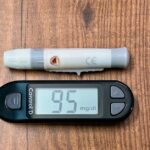
Diagnosis starts with a blood test. A glucose meter or lab test confirms the level. For people without diabetes, doctors look for Whipple’s triad: symptoms of low blood sugar, a low glucose reading at the time of symptoms, and resolution of symptoms after eating sugar.
Treatment for mild to moderate hypoglycemia is simple: eat or drink 15 grams of fast-acting carbohydrate. Examples include four ounces of fruit juice, half a can of regular soda, or three to four glucose tablets. Wait 15 minutes and check blood sugar again. If it is still low, repeat.
For severe hypoglycemia where the person cannot swallow, glucagon is the treatment. Glucagon is a hormone that tells the liver to release stored glucose. It comes as an injection or a nasal spray. Family members and caregivers should know how to use it.
The goal is to raise blood sugar quickly without overshooting. Eating too much sugar after a low can cause a rebound high. Stick to the 15-gram rule and recheck.
Common Misconceptions About Low Blood Sugar
One widespread myth is that feeling shaky or tired after a meal always means you have hypoglycemia. Many conditions cause similar symptoms. The only way to know for sure is to check blood sugar with a meter at the time of symptoms.
Another misconception is that low blood sugar is always caused by not eating enough. In people with diabetes, medication timing and dosing are often the real issue. In people without diabetes, the cause is usually something specific like a medication or a medical condition.
Some people believe that eating sugar will fix low blood sugar immediately. It works for mild cases, but if the person has taken too much long-acting insulin, the sugar may wear off before the insulin does. They may need to eat a longer-acting snack like crackers with peanut butter after the initial sugar to prevent another drop.
As of 2026, there is no clinical evidence that herbal supplements or vitamins cure hypoglycemia. Some products claim to stabilize blood sugar, but they are not regulated by the FDA for safety or effectiveness. Relying on them instead of proven treatment can be dangerous.
Frequently Asked Questions
Can low blood sugar happen without diabetes?
Yes, but it is rare. It is usually caused by a medication, a medical condition like liver disease, or a tumor in the pancreas.
What should I eat to raise low blood sugar fast?
Eat 15 grams of fast-acting carbohydrate like fruit juice, regular soda, or glucose tablets. Recheck your blood sugar after 15 minutes.
How low does blood sugar have to be to be dangerous?
Levels below 70 mg/dL are considered hypoglycemia. Levels below 54 mg/dL are serious and require immediate treatment.
Can stress cause low blood sugar?
Stress usually raises blood sugar, not lowers it. But stress can affect eating habits and medication timing, which may indirectly cause a drop.
