
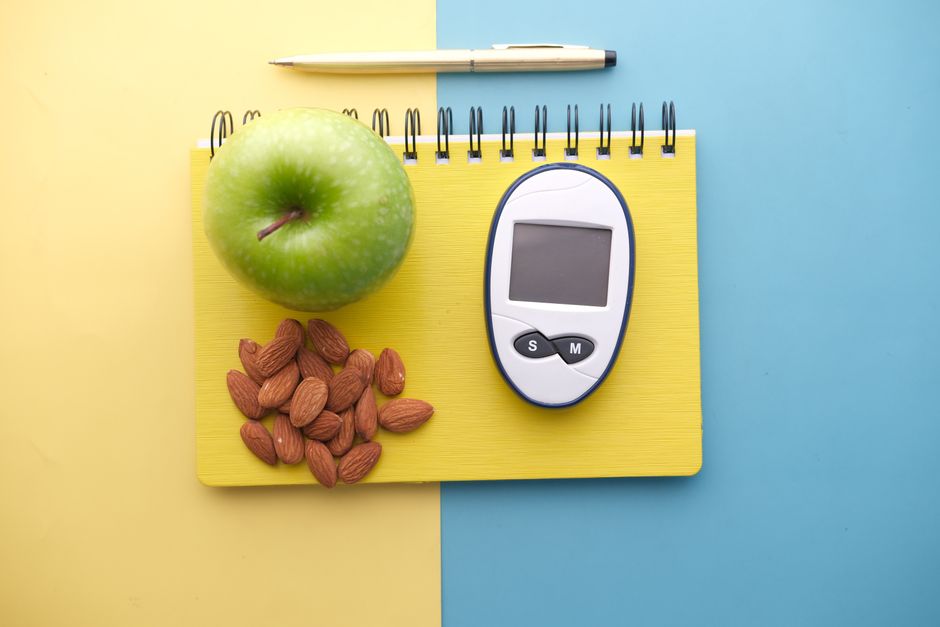
If your blood sugar drops below 70 mg/dL, the 15-15 Rule is the standard first step. You eat exactly 15 grams of fast-acting carbohydrate, then wait 15 minutes and check your glucose again. If it is still below 70 mg/dL, repeat the process. This method is recommended by the American Diabetes Association and is taught in diabetes education programs across the United States. It is simple, effective, and designed to prevent overcorrection, which can spike your blood sugar too high.
What Exactly Is the 15-15 Rule for Low Blood Sugar?
The 15-15 Rule is a structured response to hypoglycemia. Hypoglycemia means your blood glucose has fallen below a safe level, typically under 70 mg/dL. The rule has two parts. First, consume 15 grams of a fast-acting carbohydrate. Second, wait 15 minutes and recheck your blood sugar.
Fast-acting carbohydrates are sugars your body absorbs quickly. They raise blood glucose within minutes. The American Diabetes Association lists glucose tablets, fruit juice, regular soda, and hard candy as good options. Foods with fat, protein, or fiber slow down absorption. Chocolate bars, cookies, and ice cream are not good choices for this situation because they digest too slowly.
The 15-minute wait is critical. It takes time for the sugar to enter your bloodstream and raise your glucose level. Checking too early can lead to a false sense that the treatment did not work, causing you to eat more than needed. That extra sugar can push your blood glucose too high once it fully absorbs.
If your glucose is still below 70 mg/dL after 15 minutes, repeat the 15 grams and wait another 15 minutes. Once your blood sugar is back above 70 mg/dL, eat a small snack or a meal if your next regular meal is more than an hour away. This helps stabilize your glucose and prevent another drop.
Why Does the 15-15 Rule Work Better Than Just Eating Sugar?
Eating sugar without a plan often leads to overcorrection. When your blood sugar is low, your brain sends strong signals to eat. It feels urgent. People in a low state may grab whatever is nearby and eat too much. Research published in Diabetes Care has shown that overtreatment of hypoglycemia is common and can cause high blood sugar for hours afterward.
The 15-15 Rule provides a structured limit. By measuring exactly 15 grams, you avoid guesswork. The 15-minute pause forces you to wait and let your body respond before deciding if more is needed. This prevents the cycle of eating, feeling anxious, and eating more.
Another reason the rule works is that it uses fast-acting carbohydrates only. Many foods contain a mix of sugars, fats, and proteins. A granola bar might have 15 grams of carb but also 5 grams of fat. That fat slows digestion. Your blood sugar will rise slower than expected, and you might eat more while waiting. Pure glucose tablets or clear juice avoid this problem entirely.
Studies have found that glucose tablets raise blood sugar more predictably than food. A 2018 study in the Journal of Diabetes Science and Technology compared glucose tablets to fruit juice and candy. Tablets produced the most consistent rise in blood glucose with the least overshoot. The 15-15 Rule works best when you use the right type of carb.
What Counts as 15 Grams of Fast-Acting Carbohydrate?
Knowing what equals 15 grams is essential. Here is a list of common options that work well:
- 4 glucose tablets (most brands sell tablets in 4-gram doses)
- 1/2 cup (4 ounces) of fruit juice like orange or apple juice
- 1/2 cup (4 ounces) of regular soda, not diet
- 1 tablespoon of sugar or honey
- 2 tablespoons of raisins
- 5-6 hard candies like Life Savers or Jolly Ranchers
- 1 tube of glucose gel (standard 15-gram tube)
Check the nutrition label if you are unsure. Many packaged snacks list total carbohydrates per serving. Be careful with serving sizes. A small juice box might contain 20 grams of carb, not 15. You do not need to be perfect, but staying close to 15 grams matters. Too little will not raise your sugar enough. Too much can spike it high.
Foods to avoid during a low blood sugar episode include chocolate, nuts, peanut butter, crackers, cheese, and ice cream. These contain fat or protein that slows digestion. They are fine for preventing a future low but not for treating one that is happening right now.





When Should You Not Use the 15-15 Rule?
The 15-15 Rule assumes you are conscious and able to swallow safely. If someone is unconscious, confused, or unable to swallow, do not give them food or drink. They could choke. In this situation, call 911 immediately. If you have a glucagon injection or nasal powder (Baqsimi), use it as directed. These products raise blood sugar by signaling the liver to release stored glucose.
Severe hypoglycemia is a medical emergency. Symptoms include confusion, slurred speech, loss of coordination, seizures, or passing out. The 15-15 Rule is not designed for this level of low blood sugar. It is for mild to moderate hypoglycemia where the person can still safely eat and drink on their own.
People taking certain medications also need to be careful. Sulfonylureas and insulin can cause prolonged hypoglycemia. A single round of the 15-15 Rule may not be enough. You might need to treat multiple times or follow up with a longer-acting snack. If your blood sugar keeps dropping after two rounds of the 15-15 Rule, seek medical help.
Children and older adults may need adjusted doses. The American Diabetes Association suggests that children under 5 years old may need less than 15 grams. Older adults with kidney disease or other complications may also need smaller amounts. Talk to your doctor about what is right for you or your child.
What Does Research on the 15-15 Rule Actually Show?
Research on the 15-15 Rule is mostly observational and based on clinical guidelines rather than large randomized trials. The rule was developed from expert consensus and decades of clinical experience. It is not the result of a single landmark study. That does not mean it is wrong. It means the evidence is practical rather than experimental.
A 2015 review in Diabetes Technology & Therapeutics concluded that the 15-15 Rule is effective for most people with mild to moderate hypoglycemia. The review noted that the key factor is using pure glucose or simple sugars. Foods with added fat or protein were less reliable. The 15-minute wait time was also supported by data showing that blood glucose begins to rise within 10 to 15 minutes after oral glucose intake.
The American Diabetes Association continues to recommend the 15-15 Rule in its Standards of Medical Care in Diabetes. These standards are updated yearly and are based on the best available evidence. The rule is also endorsed by the Endocrine Society and the Juvenile Diabetes Research Foundation.
Some newer research has questioned whether 15 grams is enough for everyone. A 2020 study in Diabetes Care found that people with type 1 diabetes often needed 20 to 30 grams to correct a low. However, the same study showed that starting with 15 grams and repeating if needed was safer than starting with a larger dose. The 15-15 Rule reduces the risk of overtreatment, which is a real concern.
How to Prevent Low Blood Sugar in the First Place
Prevention is better than treatment. Low blood sugar usually happens for predictable reasons. Skipping meals, taking too much insulin, exercising more than usual, or drinking alcohol without food are common triggers. Tracking these patterns can help you avoid lows before they start.
Check your blood sugar regularly, especially before driving, exercising, or going to bed. Continuous glucose monitors (CGMs) can alert you when your glucose is trending low. This gives you time to act before you reach 70 mg/dL. Many CGMs now have alarms that sound when your glucose is predicted to drop within 20 to 30 minutes.
If you exercise, check your glucose before and after. Physical activity uses up glucose in your muscles and can cause delayed lows hours later. Eating a small snack with protein and carbs before exercise can help. After exercise, monitor your glucose for several hours, especially if you took insulin before the workout.
Alcohol is another major cause of hypoglycemia. Alcohol blocks the liver from releasing stored glucose. This can cause a low blood sugar hours after drinking, often during sleep. If you drink alcohol, eat a meal with it and check your glucose before bed. The 15-15 Rule still applies if you wake up low, but prevention is safer.
| Treatment Option | Carb Amount | Time to Effect | Best Use |
|---|---|---|---|
| 4 glucose tablets | 15 grams | 10-15 minutes | Most predictable |
| 1/2 cup fruit juice | 15 grams | 10-15 minutes | Good if tablets not available |
| 1/2 cup regular soda | 15 grams | 10-15 minutes | Same as juice |
| 1 tablespoon honey | 15 grams | 10-15 minutes | Quick if you have it |
| Chocolate bar | Variable | 30+ minutes | Not for treatment |
Common Misconceptions About the 15-15 Rule
A common myth is that any sugar will work equally well. This is not true. The type of sugar matters. Fructose, found in fruit, is processed by the liver and raises blood sugar slower than glucose. Sucrose, found in table sugar and candy, is half glucose and half fructose. Pure glucose tablets raise blood sugar fastest and most reliably. Fruit juice works because it contains glucose and is liquid, which absorbs quickly.
Another misconception is that you should eat protein with the sugar. Protein does not raise blood sugar quickly. It can even slow down the absorption of the sugar you just ate. The 15-15 Rule is about fast treatment. Protein is useful later, after your blood sugar is back to normal, to help keep it stable. But during a low, stick to carbs only.
Some people think that if their blood sugar is 60 mg/dL, they need more than 15 grams. This is not supported by evidence. The 15-15 Rule is designed for any glucose level below 70 mg/dL. Starting with more than 15 grams increases the risk of overtreatment. If 15 grams is not enough, you will know in 15 minutes and can repeat. This two-step approach is safer than guessing a larger dose.
Finally, many people believe the 15-15 Rule is only for people with diabetes. This is not true. Anyone can experience low blood sugar, especially if they have certain medical conditions, take certain medications, or have had bariatric surgery. The rule applies to anyone with hypoglycemia who is conscious and able to swallow.
Frequently Asked Questions
What do I do if my blood sugar is still low after two rounds of the 15-15 Rule?
If your blood sugar is still below 70 mg/dL after two rounds, seek medical help. Call your doctor or go to the emergency room. This could mean you have a more serious problem or your medication needs adjusting.
Can I use the 15-15 Rule if I am on a low-carb diet?
Yes, the 15-15 Rule still applies. The 15 grams of fast-acting carbohydrate is a medical treatment, not a dietary choice. Treating the low is more important than staying in ketosis for that moment.
How long does it take for blood sugar to rise after using the 15-15 Rule?
Blood sugar usually starts to rise within 10 to 15 minutes after taking fast-acting carbohydrate. The full effect is seen by 15 to 20 minutes. That is why the rule includes a 15-minute wait before rechecking.
Is the 15-15 Rule safe for children with diabetes?
Yes, but the dose may need to be adjusted. Children under 5 years old may need less than 15 grams. Talk to your child’s doctor about the right amount for their age and weight. The 15-minute wait time remains the same.
