
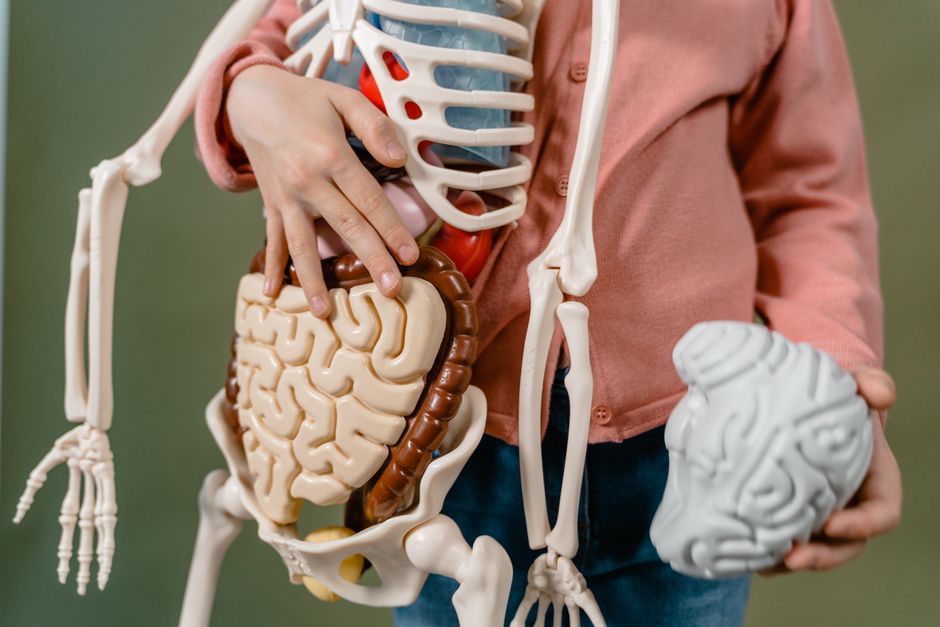
Digestive system disorders happen when something disrupts the normal process of breaking down food and absorbing nutrients. The causes range from infections and food intolerances to chronic conditions like inflammatory bowel disease and irritable bowel syndrome. Most disorders share common threads: inflammation, altered gut motility, an imbalanced gut microbiome, or a breakdown in the barrier that lines your intestines. Understanding the actual mechanisms behind these problems is the first step toward managing them effectively.
What Causes Digestive System Disorders? The Direct Answer
Digestive disorders develop when the gastrointestinal tract fails to do its job properly. That failure comes from a combination of genetic predisposition, environmental triggers, and lifestyle factors. In many cases, no single cause exists — multiple factors work together over time.
The most common mechanisms include chronic inflammation of the gut lining, abnormal muscle contractions in the intestines, an overgrowth or imbalance of gut bacteria, and increased intestinal permeability. When any of these processes go wrong, you experience symptoms like bloating, pain, diarrhea, or constipation.
Some disorders have clear causes. Celiac disease is triggered by gluten in genetically susceptible people. Food poisoning causes acute gastroenteritis. But for conditions like irritable bowel syndrome (IBS), the cause is more complex and varies from person to person.
The Role of the Gut Microbiome in Digestive Health
Your intestines host trillions of bacteria, viruses, and fungi. This community, called the gut microbiome, helps digest food, produces vitamins, and trains your immune system. When this balance shifts — a state called dysbiosis — digestive problems can follow.
Dysbiosis has been linked to IBS, inflammatory bowel disease (IBD), and even some cases of chronic constipation. Antibiotics are a common trigger because they wipe out both harmful and beneficial bacteria. A diet low in fiber also starves beneficial microbes, allowing less helpful species to thrive.
The evidence connecting the microbiome to specific disorders is strong for some conditions and weaker for others. For IBS, studies consistently show differences in the gut bacteria of affected individuals compared to healthy controls. But whether those differences cause the disorder or result from it remains unclear.
Probiotics may help restore balance, but results vary. Some strains show benefit for specific symptoms like antibiotic-associated diarrhea. No single probiotic product works for everyone, and the evidence does not support using them as a standalone treatment for serious digestive diseases.
How Inflammation Damages the Digestive Tract
Inflammation is your immune system’s response to injury or infection. In a healthy gut, inflammation is controlled and temporary. In digestive disorders, that control fails and inflammation becomes chronic.
In inflammatory bowel disease — which includes Crohn’s disease and ulcerative colitis — the immune system attacks the lining of the digestive tract. This causes ulcers, bleeding, and severe abdominal pain. The exact trigger for this autoimmune response is unknown, but genetics play a significant role. People with a family history of IBD have a higher risk of developing it.
Chronic inflammation also damages the intestinal barrier. Normally, the cells lining your intestines form a tight seal that keeps bacteria and toxins out of your bloodstream. When inflammation weakens this seal, a condition often called “leaky gut,” larger particles can pass through. This triggers further immune activation and can worsen digestive symptoms.
The concept of leaky gut is real in the sense that intestinal permeability increases in several diseases. However, the popular claim that leaky gut causes all digestive disorders is not supported by evidence. Increased permeability is a consequence of inflammation in many cases, not the root cause.



Food Intolerances and Allergies: When Food is the Problem
Food reactions fall into two main categories: allergies and intolerances. They involve different immune and digestive mechanisms, and they require different management approaches.
A food allergy is an immune system response. Even a tiny amount of the offending food can trigger symptoms ranging from hives to life-threatening anaphylaxis. Common food allergens include peanuts, tree nuts, shellfish, eggs, and milk. Food allergies are diagnosed with skin prick tests or blood tests for specific antibodies.
A food intolerance is different. It happens when your body cannot properly digest a component of food. The most common example is lactose intolerance, where the body produces insufficient lactase, the enzyme needed to break down lactose in dairy products. Symptoms include bloating, gas, and diarrhea after consuming milk or cheese.
FODMAP intolerance is another common issue. FODMAPs are fermentable carbohydrates found in foods like onions, garlic, wheat, and certain fruits. In sensitive individuals, these carbohydrates are poorly absorbed and ferment in the colon, producing gas and pain. A low-FODMAP diet, done under professional guidance, can help identify which specific foods trigger symptoms.
Many people self-diagnose food intolerances without testing. This can lead to unnecessary dietary restrictions and missed diagnoses. If you suspect a food reaction, see a healthcare provider for proper testing before eliminating entire food groups.
Stress and the Brain-Gut Connection
The digestive system has its own nervous system, called the enteric nervous system. It contains hundreds of millions of neurons that control digestion independently of the brain. But the brain and gut communicate constantly through the vagus nerve and chemical signals.
Stress affects this communication. When you are stressed, your body releases hormones that slow or speed up digestion, increase gut sensitivity, and alter the composition of gut bacteria. This is why stress often worsens symptoms in people with IBS and other functional digestive disorders.
Research has shown that psychological treatments like cognitive behavioral therapy and gut-directed hypnotherapy can reduce IBS symptoms. These therapies do not cure the disorder, but they help patients manage the stress component effectively. This confirms that the brain-gut connection is not just theoretical — it has measurable clinical impact.
It is important to note that stress does not cause all digestive disorders. IBD is not caused by stress, though stress can trigger flare-ups. Celiac disease requires gluten exposure regardless of stress levels. The brain-gut connection is one factor among many.
Medications and Their Effects on Digestion
Many common medications cause digestive side effects. Nonsteroidal anti-inflammatory drugs (NSAIDs) like ibuprofen and naproxen can irritate the stomach lining and cause ulcers. Long-term use increases the risk of gastrointestinal bleeding.
Antibiotics disrupt the gut microbiome, often causing diarrhea. Opioid pain medications slow intestinal motility, leading to constipation. Some blood pressure medications, diabetes drugs, and antidepressants also affect digestion.
If you experience digestive symptoms after starting a new medication, talk to your doctor. Do not stop taking prescribed medication without medical advice. Your doctor may adjust the dose, switch to a different drug, or add medication to protect your digestive tract.
Acid reflux medications called proton pump inhibitors (PPIs) are commonly used for GERD. They are effective for short-term use. Long-term use is associated with an increased risk of certain complications, including nutrient malabsorption and increased susceptibility to some intestinal infections. These risks are real but relatively small, and they must be weighed against the benefit of controlling severe reflux.
When to See a Doctor for Digestive Symptoms
Occasional bloating, gas, or heartburn is normal. Persistent symptoms are not. See a healthcare provider if you experience any of the following:
- Blood in your stool or black, tarry stools
- Unexplained weight loss
- Severe abdominal pain that does not go away
- Difficulty swallowing or pain with swallowing
- Persistent vomiting or vomiting blood
- Changes in bowel habits lasting more than three weeks
These symptoms can indicate serious conditions that require prompt evaluation. Early diagnosis improves outcomes for most digestive disorders.
For less urgent symptoms, keep a symptom diary before your appointment. Note what you ate, when symptoms occurred, and how severe they were. This information helps your doctor identify patterns and order appropriate tests.
Frequently Asked Questions
Can stress alone cause digestive system disorders?
Stress does not cause structural disorders like IBD or celiac disease, but it can trigger or worsen symptoms in functional disorders like IBS. The brain-gut connection is real, and stress management is a legitimate part of treatment for many digestive conditions.
What is the most common digestive system disorder?
Irritable bowel syndrome is the most commonly diagnosed functional digestive disorder, affecting an estimated 10-15 percent of adults worldwide. Gastroesophageal reflux disease (GERD) is also extremely common, affecting around 20 percent of adults in Western countries.
Can digestive disorders be cured permanently?
Some can be cured, like infections treated with antibiotics or food intolerances managed by avoiding trigger foods. Chronic conditions like IBD and IBS are managed rather than cured, with treatment focused on controlling symptoms and preventing complications.
Does the gut microbiome really affect digestion?
Yes, the gut microbiome plays a central role in digestion, nutrient absorption, and immune function. Imbalances in gut bacteria are associated with several digestive disorders, though the exact cause-and-effect relationship is still being studied.
