
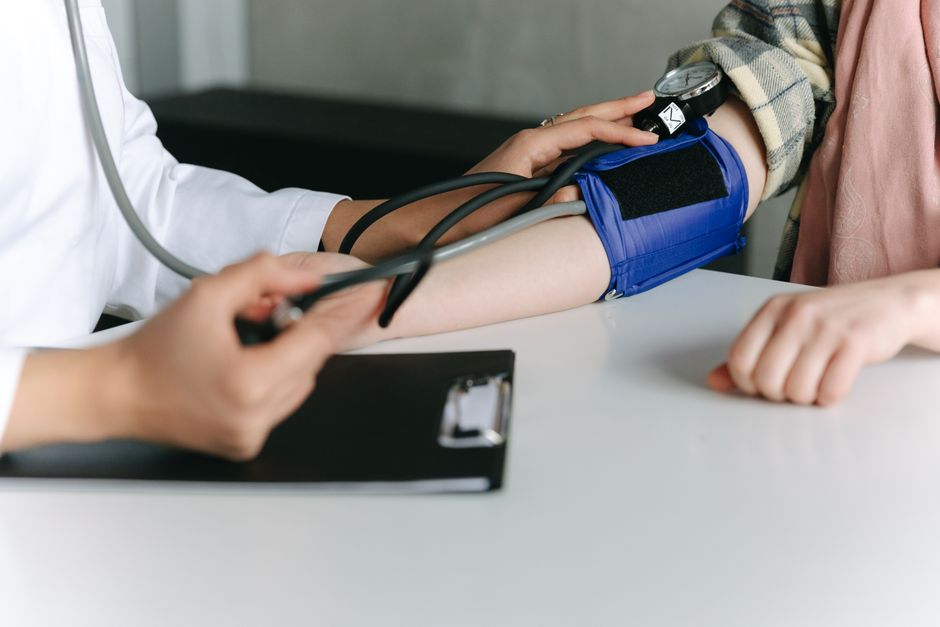
Blood pressure spikes happen when your arteries narrow or your heart pumps harder than normal, forcing blood against vessel walls with more force. This can be triggered by stress, certain foods, dehydration, or even something as simple as needing to use the bathroom. The key is understanding that a temporary spike is different from chronic high blood pressure, though frequent spikes can signal bigger problems.
What Exactly Happens in Your Body During a Blood Pressure Spike?
When your blood pressure spikes, your sympathetic nervous system kicks into gear. This is the same system that activates your fight-or-flight response. Your heart rate increases, and your blood vessels constrict, which pushes pressure up quickly.
This response is normal in short bursts. Your body uses it to handle stress, danger, or physical demands. The problem starts when these spikes happen too often or last too long. The American Heart Association notes that a single reading above 180/120 mm Hg is a hypertensive crisis requiring immediate medical attention. But most spikes are smaller and temporary.
Your kidneys also play a role. They regulate fluid and salt balance. When they are not working well, or when you consume too much sodium, your body holds onto water. More fluid in your blood vessels means higher pressure.
What Causes Blood Pressure To Spike After Eating?
Food is a common trigger. High-sodium meals are the biggest culprit. A single fast-food meal can contain more than 2,300 mg of sodium — that is the entire daily limit recommended by the Dietary Guidelines for Americans. Your body retains water to dilute that sodium, and your blood pressure rises as a result.
Sugar is another factor. Research published in the journal Nutrients has found that high sugar intake, especially from sugary drinks, can cause temporary spikes in blood pressure. This happens because sugar triggers insulin release, which can activate the sympathetic nervous system and constrict blood vessels.
Some people also experience post-meal drops in blood pressure, known as postprandial hypotension. This is more common in older adults and people with certain health conditions. If your body overcorrects for this drop, it can cause a spike later.
Can Stress and Anxiety Really Cause Sudden Spikes?
Yes, and the effect is immediate. When you feel stressed, your body releases cortisol and adrenaline. These hormones make your heart beat faster and your blood vessels narrow. The result is a rapid increase in blood pressure that can last for minutes or hours.
Studies have shown that acute mental stress can raise systolic blood pressure by 10 to 30 mm Hg in healthy adults. For someone with existing hypertension, the spike can be even larger. The tricky part is that stress is often invisible. You may not realize your blood pressure is rising until you check it.
Chronic stress is different. It does not cause a single spike, but it keeps your body in a low-level state of alert. Over time, this can lead to consistently higher baseline readings. The CDC reports that long-term stress is linked to behaviors that worsen blood pressure, like poor diet, alcohol use, and skipping exercise.

What Role Does Dehydration Play in Blood Pressure Spikes?
Dehydration is a less obvious cause. When you are low on fluids, your blood volume decreases. Your body responds by constricting blood vessels to maintain blood flow to vital organs. This constriction raises blood pressure.
Your kidneys also release renin, an enzyme that triggers a chain reaction leading to blood vessel tightening. This is a survival mechanism, but it can cause a noticeable spike if you are significantly dehydrated. Some people report feeling dizzy or lightheaded along with the pressure increase.
Mild dehydration is common. Many people do not drink enough water throughout the day. If you are active, live in a hot climate, or drink caffeine or alcohol, your fluid needs are higher. Rehydrating usually brings blood pressure back down within an hour or two.
How Do Medications and Supplements Cause Blood Pressure Spikes?
Several common medications can raise blood pressure. Nonsteroidal anti-inflammatory drugs (NSAIDs) like ibuprofen and naproxen cause sodium and fluid retention. The American Heart Association advises that people with high blood pressure should use these drugs cautiously.
Decongestants found in cold and allergy medications are another trigger. Pseudoephedrine and phenylephrine work by constricting blood vessels to relieve congestion. This same action raises blood pressure. If you have hypertension, check labels or ask your pharmacist before taking these.
Herbal supplements are not risk-free either. St. John’s wort, ginseng, and licorice root have all been reported to cause blood pressure increases in some people. The problem is that supplements are not regulated like drugs, so their effects are less studied. As of 2026, there is no strong clinical evidence that most herbal supplements cause spikes, but individual reports exist.
| Trigger | How It Raises Blood Pressure | Typical Duration |
|---|---|---|
| High-sodium meal | Fluid retention increases blood volume | Several hours |
| Acute stress | Adrenaline constricts blood vessels | Minutes to hours |
| Dehydration | Blood volume drops, vessels constrict | Until rehydrated |
| NSAIDs | Sodium and fluid retention | While taking medication |
| Cold medications | Blood vessel constriction | 4-6 hours per dose |
What Lifestyle Habits Cause Frequent Blood Pressure Spikes?
Alcohol is a common trigger. A single drink can temporarily raise blood pressure by activating the sympathetic nervous system. Heavy drinking — more than three drinks in one sitting — causes a more pronounced spike. The National Institute on Alcohol Abuse and Alcoholism notes that binge drinking can lead to dangerous hypertensive events.
Caffeine is more complicated. For people who do not consume it regularly, a cup of coffee can raise systolic blood pressure by 5-10 mm Hg within 30 minutes. Regular coffee drinkers build tolerance, so the effect is smaller or absent. Some studies suggest that moderate coffee consumption does not increase long-term risk, but individual sensitivity varies.
Smoking and vaping are direct causes. Nicotine is a vasoconstrictor. It narrows blood vessels and raises heart rate. The effect is immediate and can last 15-30 minutes after a single cigarette. Frequent use means frequent spikes throughout the day.
Lack of sleep also matters. The CDC reports that adults who sleep less than seven hours per night are more likely to have higher blood pressure. Poor sleep activates stress hormones and disrupts the normal nighttime dip in blood pressure that helps maintain cardiovascular health.
- Sodium from processed foods and restaurant meals
- Alcohol in amounts over one drink for women or two for men
- Nicotine from smoking, vaping, or chewing tobacco
- Caffeine if you are not a regular consumer
- Sleep deprivation of less than six hours per night
Common Misconceptions About Blood Pressure Spikes
A common myth is that spicy food causes blood pressure spikes. Some people report feeling flushed or warm after eating spicy meals, but research does not confirm a consistent effect on blood pressure. Capsaicin, the compound that makes peppers hot, may actually have a mild blood pressure-lowering effect in some studies.
Another misconception is that you can feel a spike. Many people believe they know when their blood pressure is high because they feel anxious or have a headache. In reality, most spikes are symptomless. The only reliable way to know is to measure it. Hypertension is often called the silent killer for this reason.
Some also think that occasional spikes are harmless. While a single spike is not usually dangerous, frequent spikes can damage artery walls over time. This damage makes it easier for plaque to build up, increasing the risk of heart attack and stroke. The pattern matters more than the individual event.
Frequently Asked Questions
Can drinking cold water cause a blood pressure spike?
No, drinking cold water does not cause a meaningful spike in blood pressure for most people. Your body quickly warms the water to body temperature.
How long does a blood pressure spike usually last?
Most spikes last between 30 minutes and a few hours, depending on the trigger. Once the trigger is removed, blood pressure typically returns to baseline.
Should I go to the ER for a blood pressure spike of 160/100?
A reading of 160/100 is considered stage 2 hypertension and requires medical attention, but it is not an emergency unless symptoms are present. Seek emergency care if your reading is 180/120 or higher.
Does exercise cause dangerous blood pressure spikes?
Exercise temporarily raises blood pressure, which is normal and safe for most people. Your pressure should return to normal within minutes after stopping.
