
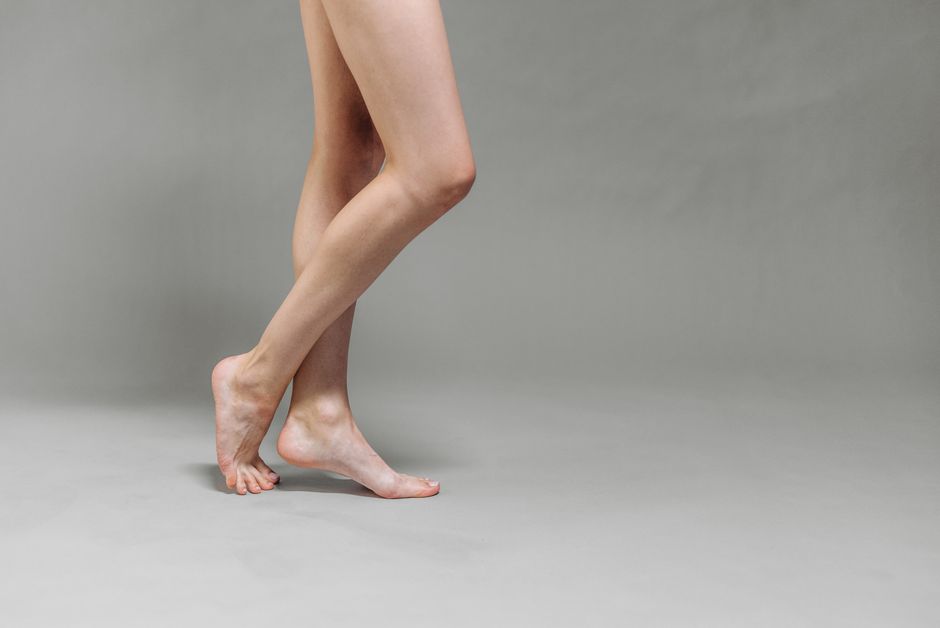
Swollen ankles and feet happen when fluid builds up in the spaces between your cells. The medical term is edema (pronounced ih-DEE-muh). Most of the time, the cause is straightforward: gravity pulls fluid downward, especially after sitting or standing for long periods. But other reasons include a high-salt meal, pregnancy, certain medications, or an underlying medical condition like heart failure or venous insufficiency. Knowing the key reasons helps you decide if the swelling is temporary or something to discuss with your doctor.
What Causes Ankles And Feet To Swell Key Reasons?
Fluid collects in your lower legs when something disrupts the normal balance of fluids moving in and out of your tissues. The most common reasons are:
- Prolonged sitting or standing – Gravity pulls blood and fluid down. Muscles in your calves normally pump fluid back up; when you are still, that pump slows.
- High salt intake – Sodium makes your body hold onto water. A single salty meal can cause temporary swelling.
- Heat – Blood vessels expand in hot weather, allowing more fluid to leak into surrounding tissues.
- Pregnancy – The growing uterus puts pressure on veins, and hormonal changes increase fluid retention.
- Injury or infection – Sprains, fractures, or an infected cut cause localized swelling as part of the body’s healing response.
Medical conditions that cause more persistent or worsening swelling include chronic venous insufficiency (weakened valves in leg veins), heart failure (the heart does not pump blood efficiently), kidney disease (the body cannot remove excess fluid), and lymphedema (damage to the lymphatic system). Some medications can also trigger swelling as a side effect.
What is Edema and How Does It Happen?
Edema means visible swelling from excess fluid trapped in your body’s tissues. Normally, blood vessels leak a small amount of fluid into surrounding tissues. That fluid drains back into the bloodstream through the lymphatic system or is reabsorbed. When something tips the balance – more fluid leaks out, less fluid drains away, or the kidneys hold onto sodium and water – fluid builds up. Gravity then pulls that fluid to your lowest point: your ankles and feet.
Pitting edema is a common sign. If you press your finger into the swollen area for a few seconds, a dent remains. Non-pitting edema feels firmer and is more common with lymphedema or certain thyroid problems. Pitting edema alone does not tell you the cause, but it is a useful observation to share with your doctor.
Common Lifestyle Causes of Swollen Ankles and Feet
Many people wake up with slightly puffy ankles after a long day. These lifestyle factors are often the culprit and are usually temporary:
- Prolonged sitting or standing – Air travel, long car rides, or desk jobs reduce the calf muscle pump. Standing in one place for hours also lets fluid pool.
- High sodium meals – Fast food, processed snacks, and canned soups are loaded with salt. Your kidneys retain water to dilute the sodium, leading to edema within hours.
- Hot weather – Heat causes blood vessels to widen (vasodilation), making vessels more leaky. Combined with gravity, this often leads to mild swelling in the lower legs.
- Pregnancy – Most pregnant women experience some ankle swelling, especially in the third trimester. Mild swelling is normal. Sudden, severe swelling, especially with headache or vision changes, can be a sign of preeclampsia and requires immediate medical attention.
- Being overweight – Extra body weight increases pressure on leg veins and makes it harder for fluid to return to the heart.




Medical Conditions That Cause Swelling in the Lower Legs
When swelling does not go away with rest or elevation, or if it comes and goes frequently, an underlying medical condition may be responsible. The most important ones include:
Chronic venous insufficiency (CVI) – Valves inside your leg veins weaken over time, allowing blood to flow backward and pool. This is the most common cause of chronic leg swelling, especially in people over 50. Other signs include varicose veins, skin discoloration (darkening around the ankle), and a feeling of heaviness.
Heart failure – When the heart’s pumping ability weakens, blood backs up in the veins, raising pressure inside the vessels and pushing fluid out into tissues. Swelling in both legs that worsens toward evening, along with shortness of breath when lying flat, are classic clues.
Kidney disease – Damaged kidneys cannot remove enough sodium and water from the body. The excess fluid accumulates throughout the body, often causing puffy face and hands along with swollen feet and ankles.
Lymphedema – The lymphatic system normally drains excess fluid. If lymph nodes are damaged (commonly after cancer surgery or radiation), fluid builds up in the affected limb. The swelling is usually non-pitting and gets harder over time.
Deep vein thrombosis (DVT) – A blood clot in a deep leg vein blocks blood flow, causing sudden, often painful swelling in one leg. The swollen area may feel warm and look red. DVT is a medical emergency because the clot can travel to the lungs. Seek help immediately if you have sudden one-sided swelling with pain.
Liver disease – Severe liver problems reduce the production of albumin, a protein that keeps fluid inside blood vessels. Low albumin lets fluid leak out, leading to ankle swelling and sometimes abdominal swelling (ascites).
When Should You See a Doctor About Swelling?
Mild swelling that comes and goes with activity or heat is usually not a concern. But certain signs point to a more serious problem. Make an appointment if:
- Swelling lasts for more than a few days and does not improve with rest and elevation.
- You have shortness of breath, chest pain, or trouble breathing when you lie down.
- The swelling affects only one leg and is painful, red, or warm to the touch.
- You have a history of heart, kidney, or liver disease and notice new or worsening swelling.
- You are pregnant and develop sudden, severe swelling – especially in your face or hands – along with headache or blurred vision.
Breathing problems with swelling can be a sign of fluid in the lungs (pulmonary edema) and requires prompt medical attention.
What Can You Do to Reduce Swelling at Home?
For occasional, mild swelling from lifestyle causes, these steps can help:
- Elevate your legs above the level of your heart for 15–30 minutes several times a day. This uses gravity to help fluid drain.
- Move more. Walking contracts your calf muscles, which pumps fluid back toward your heart. Even small breaks every hour can make a difference.
- Reduce your salt intake. Read food labels – many packaged meals contain far more sodium than you might expect. Cooking at home allows you to control the salt.
- Stay hydrated. It sounds counterintuitive, but drinking enough water helps your kidneys flush out excess sodium.
- Wear compression stockings. These apply gentle pressure to support vein function and prevent fluid pooling. Fit is important – a healthcare provider can measure you and recommend the right level of compression.
Do not use diuretics (“water pills”) from the pharmacy or online unless your doctor has prescribed them. Taking a diuretic when you do not have a clear medical need can dehydrate you and disrupt your electrolyte balance.
Medications That Can Cause Foot and Ankle Swelling
Several common drugs list ankle swelling as a side effect. The most frequent offenders include:
- Calcium channel blockers (used for high blood pressure) – such as amlodipine and nifedipine.
- Nonsteroidal anti-inflammatory drugs (NSAIDs) – ibuprofen, naproxen, and prescription-strength versions.
- Steroids – prednisone and other corticosteroids.
- Hormone therapies – estrogen, testosterone, and some birth control pills.
- Antidepressants – particularly MAO inhibitors.
- Diabetes medications – pioglitazone and rosiglitazone (thiazolidinediones).
If you suspect a medication is causing your swelling, do not stop taking it on your own. Talk to your doctor. They may be able to adjust the dose, switch to a different drug, or manage the side effect another way.
Frequently Asked Questions
Is swelling in only one leg always a blood clot?
No, but it needs to be checked promptly. One-sided swelling can be caused by a DVT, but also by injury, cellulitis (a skin infection), or a Baker’s cyst behind the knee. Your doctor can order an ultrasound to rule out a clot.
Can dehydration cause swollen ankles?
Yes, indirectly. When you are dehydrated, your body holds onto sodium and water to maintain blood volume, which can lead to mild edema. Drinking enough water helps your kidneys flush excess sodium.
Does heart failure always cause leg swelling?
Not always in early stages. Some people first notice shortness of breath, fatigue, or trouble sleeping flat. Leg swelling is a common later sign, especially when both legs are affected and the skin stays indented after pressing.
How long should I elevate my feet to reduce swelling?
Elevating your feet above your heart for 15–30 minutes can often reduce mild swelling. If you have chronic venous insufficiency, you may need longer periods – even several hours a day – to see improvement. Consistency matters more than duration.
