
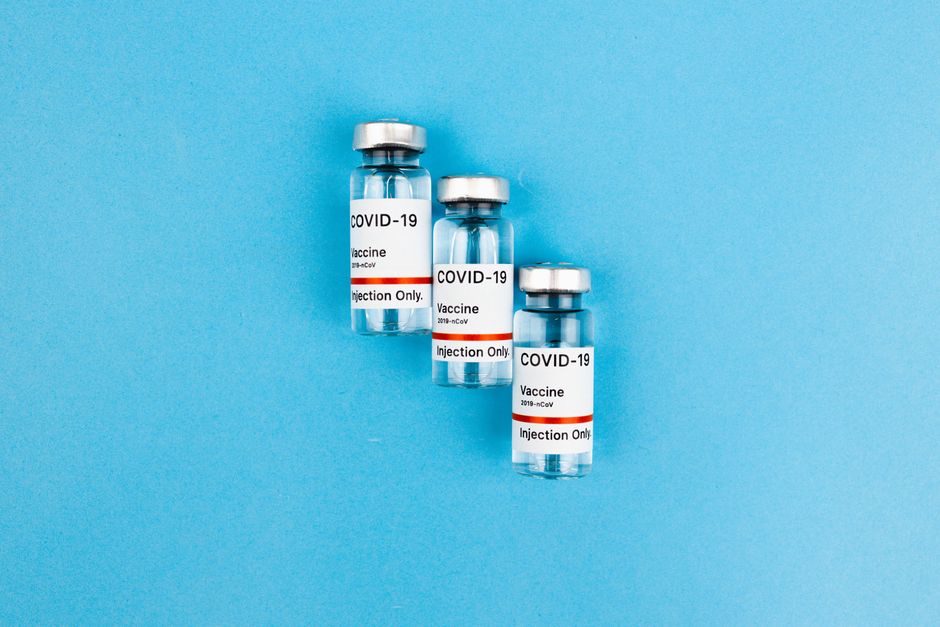
The COVID-19 vaccine is recommended for nearly everyone age 6 months and older. But a small number of people have specific medical reasons to avoid it or to choose a different type. Those reasons include a confirmed severe allergic reaction to a previous dose or a vaccine ingredient, a history of a rare blood clotting condition after a prior adenoviral vector vaccine, and a diagnosis of myocarditis or pericarditis following an mRNA vaccine dose. If any of these apply, discuss your options with a doctor before getting vaccinated.
Who Should Not Get the COVID-19 Vaccine for Medical Reasons?
The clearest medical reason to not receive a COVID-19 vaccine is a documented severe allergic reaction (anaphylaxis) to a previous dose of that vaccine or to any of its components. People who have had thrombosis with thrombocytopenia syndrome (TTS) after the Johnson & Johnson (Janssen) or AstraZeneca vaccine should not receive another dose of an adenoviral vector vaccine. Similarly, anyone diagnosed with myocarditis or pericarditis within a few weeks of receiving an mRNA vaccine (Pfizer or Moderna) should generally not get a second dose of that same type. For all other medical conditions, including chronic diseases and immunosuppression, vaccination is almost always recommended.
Severe Allergic Reactions (Anaphylaxis) to a Previous Dose or Vaccine Component
A severe allergic reaction means you needed epinephrine or hospitalization. If this happened after your first COVID-19 shot, you should not receive another dose of the same vaccine. The CDC and FDA keep a list of ingredients in each vaccine brand. For example, polyethylene glycol (PEG) is in Pfizer and Moderna, and polysorbate 80 is in Johnson & Johnson. If you have a known severe allergy to one of these, avoid that specific vaccine. Mild allergic reactions like hives or swelling at the injection site are not contraindications – you can still get vaccinated under observation.
History of Thrombosis with Thrombocytopenia Syndrome (TTS) – for Adenoviral Vector Vaccines
TTS is a rare condition where you develop blood clots along with low platelets. It occurred in a small number of people after receiving the Johnson & Johnson or AstraZeneca COVID-19 vaccines. If you had TTS after one dose, do not get another dose of any adenoviral vector vaccine. You can still receive an mRNA vaccine instead, as there is no evidence of cross-reactivity. If you have a history of other blood clots not related to vaccination, that is not a contraindication – talk to your doctor about which vaccine is right for you.



Prior Myocarditis or Pericarditis After an mRNA Vaccine Dose
Myocarditis and pericarditis are inflammation of the heart muscle or lining. These have been reported most often in adolescent and young adult males within a week after the second dose of an mRNA vaccine. If you were diagnosed with myocarditis or pericarditis after your first dose, you should not receive the second dose of that same mRNA vaccine. You may be able to get the other type – Johnson & Johnson or Novavax – but discuss this carefully with your cardiologist or primary care doctor. Most cases of vaccine-related myocarditis are mild and resolve, but the risk of recurrence with another mRNA dose is unknown.
Other Medical Conditions – When to Delay or Discuss with a Doctor
A few situations call for delaying vaccination rather than skipping it entirely. If you have a moderate or severe acute illness (with or without fever), wait until you recover. The same applies if you are in the hospital for any reason. If you are receiving monoclonal antibody treatment or convalescent plasma for COVID-19, wait 90 days from treatment before getting vaccinated. There is no evidence that COVID-19 vaccines are harmful to pregnant or breastfeeding people – in fact, the CDC recommends vaccination for this group. If you have a known allergy to a non-vaccine ingredient, such as gelatin or eggs, COVID-19 vaccines do not contain these, so no special measures are needed.
What About People with Weakened Immune Systems or Autoimmune Diseases?
People with weakened immune systems, including those on chemotherapy, organ transplant recipients, or people with HIV, should absolutely get the COVID-19 vaccine. The vaccine is not a live virus, so it cannot cause infection. However, these individuals may have a lower immune response and are recommended to receive an additional dose and a booster. Autoimmune diseases like lupus, rheumatoid arthritis, or multiple sclerosis are not contraindications. Some medications used for these conditions, such as rituximab, may reduce vaccine effectiveness, but vaccination is still advised. Talk to your specialist about timing around your treatment schedule.
Important Clarifications: Common Myths About Contraindications
Many health conditions are incorrectly thought to be reasons to avoid the COVID-19 vaccine. The following are not contraindications: high blood pressure, diabetes, asthma, heart disease, cancer (including history), chronic lung disease, kidney disease, liver disease, food allergies not related to vaccine ingredients, latex allergy, and pregnancy (with or without breastfeeding). You do not need any blood tests or screenings before receiving the vaccine. If you have a history of Guillain-Barré syndrome or Bell’s palsy, you can still be vaccinated – there is no proven link. The benefits of preventing severe COVID-19 far outweigh the minimal risks for almost everyone.
Frequently Asked Questions
Can I get the COVID-19 vaccine if I have an egg allergy?
Yes. COVID-19 vaccines do not contain egg protein, so no special precautions are needed.
What if I had a severe allergic reaction to a flu vaccine?
You can still get a COVID-19 vaccine unless you know you are allergic to a specific ingredient also present in the COVID-19 shot. Consult your allergist.
Should people with autoimmune diseases avoid the COVID-19 vaccine?
No. Autoimmune diseases are not a contraindication. In fact, these individuals are at higher risk of severe COVID-19 and benefit greatly from vaccination.
Can I get vaccinated if I had COVID-19 recently?
Yes, but you may wait until you have recovered and your isolation period is over. Some experts suggest waiting three months from infection to optimize immune response.
