
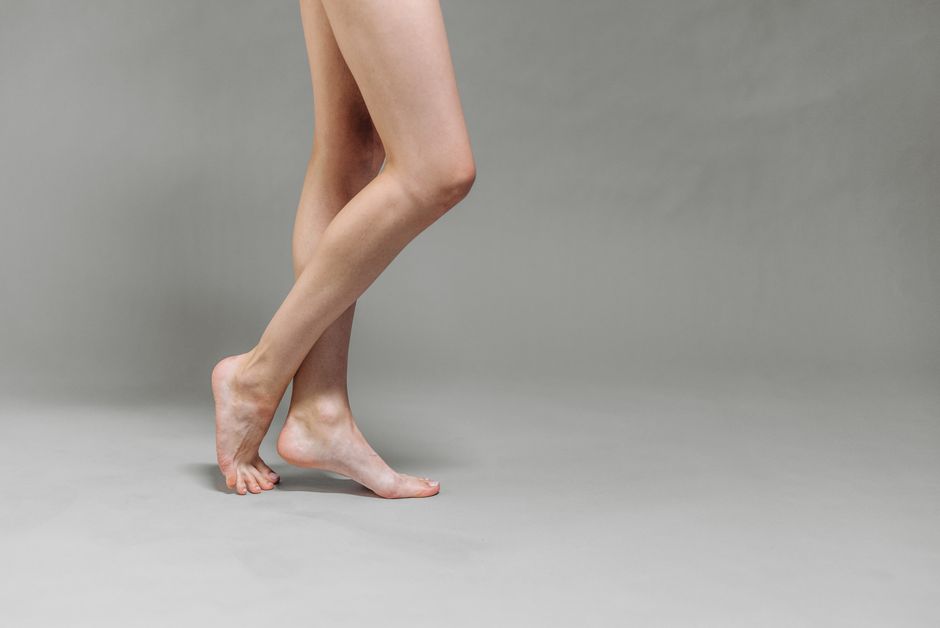
Ankles swell when fluid builds up in the tissues around your feet and lower legs. To keep them from swelling long-term, you need to reduce salt intake, move regularly, elevate your legs when sitting, wear compression socks, and manage any underlying health conditions like heart failure or venous insufficiency. Most cases of mild ankle swelling can be controlled with these steps, but some require medical treatment.
What causes ankles to swell in the first place?
Swollen ankles are usually a sign of edema — excess fluid trapped in your body’s tissues. Gravity pulls fluid downward when you sit or stand for long periods, which is why ankles are often the first place you notice swelling.
Common causes include:
- Too much sodium. Salt makes your body hold onto water. A high‑sodium diet puts extra fluid into your circulation, which then leaks into surrounding tissue.
- Prolonged sitting or standing. Your leg muscles normally pump fluid back toward your heart. When they are inactive, fluid pools in your lower legs.
- Pregnancy. Hormonal changes and increased blood volume often cause mild ankle swelling, especially in the third trimester.
- Medications. Some blood pressure drugs, NSAIDs, steroids, and antidepressants can trigger fluid retention.
- Chronic venous insufficiency. Damaged valves in your leg veins prevent blood from flowing back to the heart efficiently, causing fluid to leak into surrounding tissues.
- Heart failure, kidney disease, or liver disease. These conditions impair the body’s ability to remove excess fluid. Swelling that comes with shortness of breath, fatigue, or a rapid weight gain needs urgent medical attention.
How can you prevent ankle swelling every day?
Daily habits matter more than occasional fixes. If you are generally healthy, these steps can keep your ankles from swelling most of the time.
Cut back on sodium. The American Heart Association recommends no more than 2,300 mg of sodium per day, and ideally 1,500 mg if you have high blood pressure. Many people get far more from processed foods, canned soups, deli meats, and restaurant meals. Cooking at home and using herbs and spices instead of salt can help.
Move regularly. Walk around for a few minutes every hour if you sit at a desk. Your calf muscles act as pumps that push fluid upward. Even small movements, like flexing and pointing your feet, help keep fluid moving.
Elevate your legs. When you sit or lie down, raise your legs so your ankles are higher than your heart. This uses gravity to help drain fluid back into your circulation. 15 to 20 minutes a few times a day can make a visible difference.
Wear compression socks. Graduated compression socks apply more pressure at the ankle and less higher up the leg. They help push fluid out of the tissue and prevent it from collecting. Research shows they are effective for mild to moderate edema from many causes. Talk to a healthcare provider about the right compression level for you.
Stay hydrated. This may seem counterintuitive, but drinking enough water helps your kidneys flush excess sodium and fluid. When you are dehydrated, your body holds onto water instead.
Avoid tight clothing. Tight socks, stockings, or pants can restrict blood flow and make swelling worse. If you wear knee‑high socks, make sure the top is not digging into your leg.
When should you see a doctor about swollen ankles?
Swelling that does not improve with lifestyle changes or that gets worse needs a medical evaluation. Seek care promptly if you have:
- Swelling in only one leg, especially with pain, redness, or warmth — this could be a blood clot (deep vein thrombosis).
- Sudden or severe swelling that appears over hours or days.
- Swelling accompanied by shortness of breath, chest pain, or trouble breathing — this can signal heart failure or a pulmonary embolism.
- Swelling along with fever or signs of infection.
- Pitting edema — when you press your finger into the swollen area and an indent stays for several seconds.
- Rapid weight gain (multiple pounds in a week) without changing your diet.
A doctor can check for underlying heart, kidney, or liver problems, venous insufficiency, or other causes. Blood tests, urine tests, or an ultrasound of your leg veins may be needed.




How To Keep Your Ankles From Swelling For Good?
For many people, ankle swelling is a chronic condition that requires ongoing management rather than a one‑time cure. But consistent lifestyle changes can keep it under control for the long term.
Treat the root cause. If your swelling comes from venous insufficiency, compression therapy and leg elevation are often needed for life. If it comes from heart failure or kidney disease, managing that condition with medication and diet is essential. Simply treating the symptom — the swelling — without addressing the underlying disease will not work for good.
Maintain a healthy weight. Excess body weight puts more pressure on your leg veins and increases the risk of fluid pooling. Losing weight if you are overweight or obese can significantly reduce swelling.
Exercise consistently. Activities like walking, swimming, and cycling improve circulation in your legs. Aim for at least 150 minutes of moderate aerobic activity per week, as recommended for general health. Stronger calf muscles mean better fluid return.
Follow a low‑sodium diet. This is not a short‑term fix. Keeping your sodium intake consistently low helps prevent fluid retention over months and years. Many people find that when they eat high‑salt meals, their ankles swell the next day — that connection is real.
Wear compression socks as a daily habit. For people with venous insufficiency or a history of leg swelling, compression socks are not just for travel or bad days. Wearing them daily can prevent swelling from starting.
Monitor your body. Weigh yourself regularly, note when swelling appears, and check for changes. If you catch swelling early and respond by elevating or moving more, you can often keep it from getting worse.
Are there medical treatments for chronic ankle swelling?
When lifestyle changes are not enough, healthcare providers have several options.
Diuretics (water pills). These medications help your kidneys remove excess fluid. They are commonly prescribed for heart failure, kidney disease, and some types of edema. However, diuretics are not a first‑line treatment for mild swelling without an underlying condition. They can cause electrolyte imbalances and dehydration if used incorrectly. Never take diuretics without a prescription.
Compression therapy. This includes graduated compression stockings prescribed by a doctor, as well as pneumatic compression devices used in clinics for more severe lymphedema.
Treating venous insufficiency. Procedures such as endovenous laser therapy or sclerotherapy can close off damaged veins and improve blood flow. This is typically reserved for people with significant symptoms and confirmed venous reflux on ultrasound.
Lymphedema therapy. Manual lymphatic drainage, a specialized massage technique performed by a trained therapist, can help reduce swelling in people with lymphedema.
Surgery. In rare cases, surgery may be needed to remove excess tissue or to bypass blocked lymph vessels. This is not a common approach.
No large clinical trials have proven that any single treatment eliminates ankle swelling permanently for everyone. The best outcome — long‑term control — usually comes from combining medical treatment with consistent lifestyle changes.
Frequently Asked Questions
Does drinking more water help with ankle swelling?
Yes, staying hydrated helps your kidneys remove excess sodium and fluid, which can reduce swelling. But drinking large amounts of water alone will not fix swelling caused by heart, kidney, or liver disease.
Are compression socks safe for everyone?
Compression socks are safe for most people, but they should not be used if you have severe peripheral artery disease, a skin infection on your leg, or a history of blood clots without medical guidance. A doctor can determine the right level of compression for you.
Can ankle swelling be a sign of heart failure?
Yes, swelling in both ankles that also comes with shortness of breath, fatigue, or rapid weight gain can be a sign of heart failure. This requires immediate medical evaluation.
Is walking good for swollen ankles?
Walking is usually helpful because your calf muscles pump fluid back toward your heart. However, if you have a blood clot or severe pain, do not walk until a doctor rules out deep vein thrombosis.
