
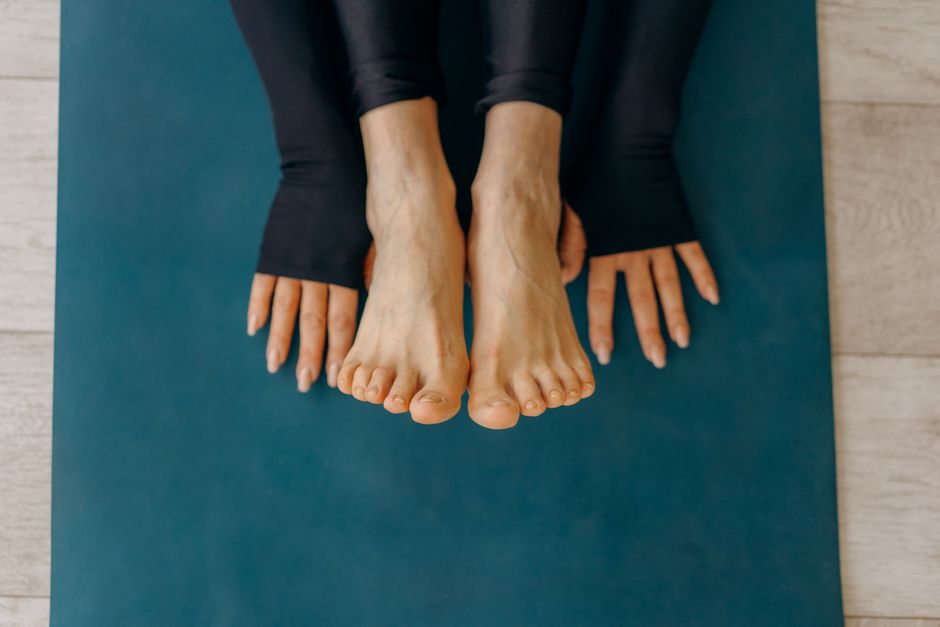
To heal a blister on your foot fast, keep it intact and protected with a bandage or moleskin. If the blister is large, painful, or likely to break, carefully drain it while leaving the top skin in place. Clean the area gently and cover it to prevent infection — this gives your skin the best chance to heal quickly.
What Causes Blisters on Your Feet?
Blisters form when the top layer of skin separates from the layers below. Fluid fills the space to cushion the area while it heals. On feet, friction is the main cause. Repeated rubbing from shoes or socks wears down the skin until a blister forms.
Moisture makes blisters more likely. Sweaty feet or wet socks soften the skin and increase friction. Poorly fitting shoes — too tight or too loose — create the rubbing that triggers blisters. Long walks, running, or hiking in new shoes also raise the risk.
Should You Pop a Blister or Leave It?
Leave a small blister alone. The fluid inside is sterile and protects the new skin underneath. Popping it opens the door to bacteria and infection. If the blister is not painful and the roof is intact, cover it with a bandage or moleskin pad to prevent further rubbing. It will heal on its own in a few days.
For a large blister that is painful or in a spot where it will likely break, draining it may be the better choice. A blister larger than a pea or one that feels tight and presses on the skin often needs drainage to relieve pain and speed healing. But do not remove the top skin — it acts as a natural bandage.
How To Treat a Blister So It Heals Fast
Start by washing your hands and the blister with warm water and mild soap. Pat dry. Do not rub. Apply an antibiotic ointment or petroleum jelly to keep the area moist and prevent the bandage from sticking. Cover with a sterile gauze pad or a blister-specific bandage like a hydrocolloid dressing.
Hydrocolloid bandages are especially helpful. They stay in place longer, cushion the blister, and create a moist environment that supports healing. Change the bandage daily or any time it gets wet, dirty, or loose. If the blister breaks on its own, clean it gently and keep it covered. Do not peel off the loose skin.


How To Drain a Large Painful Blister Safely
If you decide to drain a blister, do it carefully to avoid infection. Start by washing your hands and the blister with soap and water. Swab the blister with rubbing alcohol or iodine. Use a sterile needle — you can buy one from a pharmacy or sterilize a sewing needle with alcohol or flame and let it cool.
Puncture the edge of the blister in one or two spots. Press gently with a clean cloth or gauze to let the fluid drain. Do not remove the top skin. Apply antibiotic ointment and cover with a bandage. Check the area daily for signs of infection. If the blister refills, repeat the draining once more. After that, let it heal with the skin intact.
How To Tell If a Blister Is Infected
Most blisters heal without problems. But infection can happen, especially if the blister breaks open. Signs of infection include increased redness around the area, warmth, swelling, or yellow or green fluid draining from the blister. Pain that gets worse after the first day is another warning sign.
If you have a fever or red streaks spreading from the blister, seek medical attention right away. People with diabetes or poor circulation should see a doctor for any foot blister that does not heal within a few days or shows any sign of infection. Do not try to treat an infected blister at home with stronger antibiotics — a doctor may need to prescribe oral antibiotics.
How To Prevent Blisters on Your Feet
Prevention starts with shoes that fit properly. Shoes that are too tight create pressure points. Shoes that are too loose allow the foot to slide and rub. Break in new shoes gradually — wear them for short periods before a long walk or run. Wear moisture-wicking socks made of synthetic fiber or wool instead of cotton. Cotton stays wet and increases friction.
For areas that rub, apply a lubricant or anti-friction balm before activity. Products like petroleum jelly or specialized anti-chafing sticks reduce friction where blisters tend to form. Moleskin or blister prevention patches can be applied to hotspots before they become blisters. Keep feet dry. Change socks if they get sweaty during long activities.
How Long Does It Take for a Foot Blister To Heal?
A small intact blister usually heals in three to seven days. The fluid is reabsorbed, and the skin dries and peels off on its own. A drained blister with the top skin left in place heals in about the same time, sometimes a day or two longer. If the top skin is torn off, healing may take up to two weeks because new skin must form from scratch.
Healing time can vary depending on the size of the blister, your overall health, and whether the area stays protected. Avoiding further friction is the most important factor. Keep the blister covered and wear different shoes or padding until the skin is fully healed.
Frequently Asked Questions
Can I pop a blister on my foot?
Do not pop a small intact blister — leave it alone to heal. For a large, painful blister, drain it carefully with a sterile needle while keeping the top skin in place.
How do you drain a blister without causing infection?
Wash the area, sterilize a needle with alcohol, and puncture the edge of the blister. Let the fluid drain, apply antibiotic ointment, and cover with a clean bandage.
What is the fastest way to heal a foot blister?
Keep the blister clean and covered with a hydrocolloid dressing or moleskin. Avoid friction by changing shoes or adding padding. Most blisters heal in 3 to 7 days with proper care.
When should I see a doctor for a foot blister?
See a doctor if the blister shows signs of infection — redness spreading, warmth, pus, or increasing pain. Also seek care if you have diabetes, poor circulation, or a blister that does not heal within a week.
