
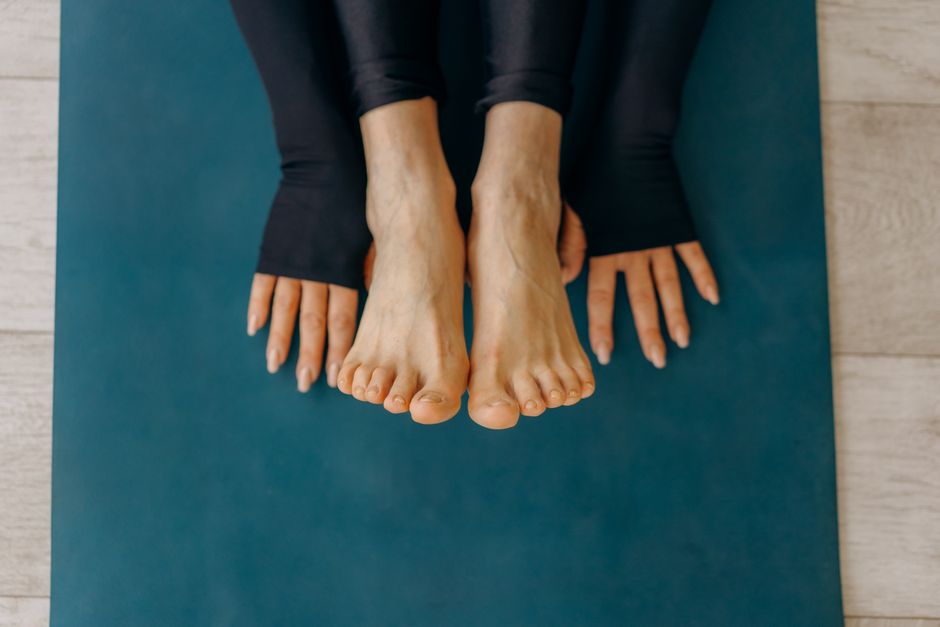
Corns on your feet are caused by repeated friction and pressure against the skin. This constant rubbing forces the outer layer of skin to thicken and harden into a small, dense bump. The most common triggers are tight shoes, high heels, or foot abnormalities that put extra stress on certain spots.
What Exactly Is a Corn?
A corn is a small area of thickened skin that forms a hard, conical shape. The tip of the cone points inward, which is why corns can be painful when pressed. The center often has a dry, waxy core that can feel like a pebble under the skin.
Corns are different from calluses. Calluses are larger, more diffuse areas of thickened skin that usually are not painful. Corns are smaller, have a distinct core, and typically hurt when you apply direct pressure. They most often appear on the tops and sides of toes, between toes, and on the soles of the feet.
What Causes Corns on Feet?
The direct cause is repeated friction and pressure. When the skin rubs against a shoe or another toe over and over, it produces extra keratin — the same protein that makes up hair and nails. This builds up into a thick, protective layer that eventually presses on the nerves underneath, causing pain.
The most common source of that friction is footwear. Shoes that are too tight squeeze the toes together. Shoes that are too loose allow the foot to slide, causing rubbing on each step. High heels push the body’s weight forward, jamming the toes into the front of the shoe. Even socks that bunch up can create enough friction to start a corn.
Foot shape and walking pattern also matter. Hammertoes, bunions, and bone spurs create bony bumps that rub against the inside of shoes. Some people walk with an uneven gait that puts extra pressure on certain spots. Flat feet or high arches can shift weight distribution, making some areas more vulnerable.
Repetitive activities — such as running, dancing, or standing for long hours — increase the cumulative friction on the feet. Over time, even mild pressure from a poorly fitting shoe can lead to a corn.
Are There Different Types of Corns?
There are three main types, and each forms slightly differently.
Hard corns are the most common. They form on the tops and sides of toes, especially over the knuckles where the shoe presses down. They have a dense, dry center and are usually small, about the size of a pea.
Soft corns develop between the toes, most often between the fourth and fifth toes. They stay moist from sweat and lack of air, giving them a rubbery texture. They can be white or gray and are often more tender than hard corns because the skin there is thinner.
Seed corns are tiny, scattered bumps that usually appear on the bottom of the foot. They form in clusters and are often caused by blocked sweat ducts combined with pressure. People with dry skin tend to get seed corns more frequently.




How to Tell a Corn from a Wart or Callus
It can be confusing because they all involve thickened skin. The key differences are simple.
- Corn: Small, round, with a central core. Painful when squeezed directly. No black dots (capillaries). Usually on non‑weight‑bearing parts of toes.
- Callus: Large, flat patch of thickened skin. No distinct core. Usually painless unless very thick. Found on the ball of the foot or heel.
- Plantar wart: Rough, cauliflower‑like surface. Black dots (clotted blood vessels) inside if you look closely. Painful when pinched from the sides. Can appear anywhere on the sole.
If you are not sure, a podiatrist can tell within seconds by examining the skin or checking for blood vessels. Do not try to cut off a suspicious bump at home — it is easy to mistake a wart for a corn, and cutting into a wart can spread the virus.
How Are Corns Treated?
Treatment starts with removing the source of pressure. If you stop the friction, the corn will eventually shrink on its own. That often means changing shoes, using protective padding, or correcting the foot problem that caused it.
In the meantime, several methods can reduce the corn and ease the pain.
Soaking and filing. Soak your foot in warm water for 10 minutes to soften the skin. Then gently rub the corn with a pumice stone or foot file. Use light strokes — scraping too hard can break the skin and lead to infection. Repeat a few times a week.
Moisturizing. Apply a thick moisturizer or cream containing urea or lactic acid. These ingredients help soften the hard skin gradually.
Over‑the‑counter corn pads. Most contain salicylic acid, which dissolves the layers of dead skin. Stick the pad directly over the corn, but avoid getting it on healthy skin, which can burn. Do not use these if you have diabetes, poor circulation, or broken skin around the corn — it can cause a wound that heals poorly.
Professional care. A podiatrist can trim away the thickened skin with a sterile blade. This gives immediate relief and is safe when done by a trained professional. If the corn keeps coming back because of a toe deformity, surgery to straighten the toe may be an option. That is usually a last resort after other measures fail.
No treatment will permanently fix a corn if the underlying pressure remains. The corn will return as long as the shoe pinches or the toe is bent.
Can You Prevent Corns from Forming?
Yes, in most cases. Prevention focuses on reducing friction and pressure before the skin thickens.
- Wear shoes that fit. There should be a thumb’s width of space between your longest toe and the end of the shoe. The widest part of the foot should align with the widest part of the shoe. Avoid pointed toes and high heels for daily wear.
- Use protective padding. Foam toe spacers, gel caps, or moleskin pads can cushion vulnerable spots. Place them over the area before you put on shoes.
- Keep feet clean and moisturized. Dry, cracked skin encourages hardening. A daily moisturizer helps keep the skin flexible.
- Address foot deformities early. If you have hammertoes or bunions, talk to a podiatrist about orthotics or toe exercises that may slow the progression.
- Choose moisture‑wicking socks. Wet skin creates more friction than dry skin. Socks made of wool or synthetic blends keep feet drier than cotton.
Once a corn forms, prevention is the same as treatment: remove the cause of pressure.
When Should You See a Doctor?
Most corns are harmless and can be managed at home. But some situations require a medical evaluation.
- You have diabetes or peripheral artery disease. Even a small corn can become a foot ulcer if handled incorrectly.
- The corn is red, swollen, warm, or oozing fluid. That suggests an infection.
- The pain is severe or makes it hard to walk.
- The corn returns repeatedly despite good footwear and padding.
- You are not sure whether the bump is a corn, wart, or something else.
A podiatrist can safely remove the corn and check for underlying foot structure problems that may need correction.
Frequently Asked Questions
Can corns go away on their own?
If you stop the friction, yes — the thickened skin will gradually shed. But the process can take weeks or months, and the corn will return if pressure resumes.
Is it safe to cut off a corn at home?
No. Cutting into a corn with a razor blade or scissors can cause bleeding, infection, and scarring. A podiatrist can do this safely with sterile instruments.
Do corn pads with salicylic acid really work?
They can soften and reduce the corn over several days, but they work best when combined with pressure relief. People with diabetes or poor circulation should not use them.
What is the fastest way to get rid of a painful corn?
The fastest relief comes from a podiatrist trimming the corn. For at‑home care, soak the foot, file gently, and apply a moisturizing cream daily.
