
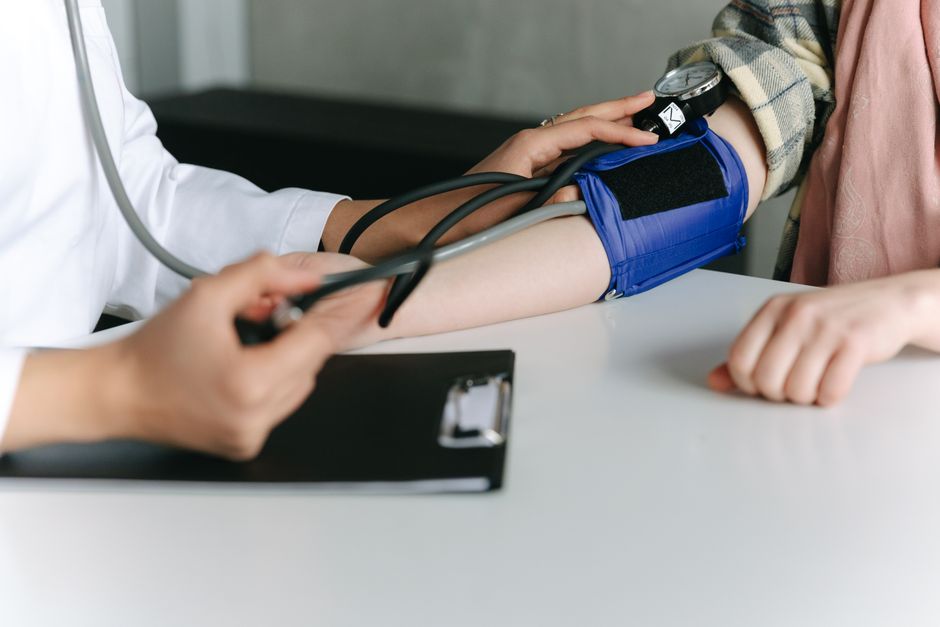
A sudden blood pressure drop means your brain is briefly not getting enough blood. Blood pressure is the force pushing blood to your head, and when it falls quickly, the brain can be starved of oxygen for a few seconds. That is why the first signs are often dizziness, blurry vision, or feeling faint. Doctors call this orthostatic hypotension when it happens on standing, and it has a short list of common causes.
What Causes a Sudden Blood Pressure Drop?
The most common cause is standing up too fast. When you rise, gravity pulls blood down into your legs. Your body normally corrects this within seconds by tightening blood vessels and nudging your heart rate up. If that reflex is slow or blunted, pressure in your head dips and you feel lightheaded. This is called orthostatic hypotension.
Clinically, orthostatic hypotension is defined as a fall of at least 20 mmHg in systolic pressure (the top number) or at least 10 mmHg in diastolic pressure (the bottom number) within three minutes of standing. Those numbers come from established consensus criteria used in clinical practice. The size of the drop matters less than whether it causes symptoms.
Other common triggers include:
- Dehydration — low fluid volume means less blood to push around.
- Medications — blood pressure drugs, diuretics, some antidepressants, and drugs for an enlarged prostate can all lower pressure.
- Standing for long periods — blood pools in the legs.
- Large meals — blood shifts to the gut after eating, which can cause a dip called postprandial hypotension.
- Getting up at night — pressure naturally dips during sleep.
- Alcohol — it widens blood vessels and increases urine output.
- Heat — hot showers, saunas, and summer weather all dilate blood vessels.
The reflex that keeps you steady is called the baroreflex. Pressure sensors in your neck and chest detect the fall and signal the nervous system to constrict vessels and speed the heart. Anything that interferes with that loop — age, nerve damage, or certain drugs — makes a sudden drop more likely.
Why Does Blood Pressure Drop When You Stand Up?
Standing moves roughly a third of your blood volume downward into your legs and abdomen within seconds. The body has to respond fast. Baroreceptors in the carotid arteries and aorta sense the change and trigger a rapid chain: blood vessels narrow, heart rate rises slightly, and blood returns toward the heart and brain.
When that chain works, you feel nothing. When it lags, you feel it. The lag can come from several places. Blood vessels may be less responsive with age. Nerves that carry the signal may be damaged, as in diabetes or Parkinson’s disease. Or the starting blood volume may simply be too low from dehydration or medication.
This is why the problem is more common in older adults. Blood vessel stiffness increases with age, and the reflex response slows. It is also more common in people taking multiple blood pressure medications, because the combined effect can overshoot.
A non-obvious point: the drop is often worst in the morning and after meals. Both are times when the body’s baseline pressure is already lower, so there is less margin before symptoms appear.
What Are the Symptoms of a Sudden Blood Pressure Drop?
Symptoms reflect reduced blood flow to the brain. The most common are dizziness, lightheadedness, and a brief sense of the room spinning or darkening. Some people describe tunnel vision or a “gray-out” just before fainting.
Other symptoms include:
- Blurred or dimming vision
- Weakness or heaviness in the legs
- Nausea
- Feeling hot or clammy
- Confusion or difficulty concentrating
- Fainting (syncope) in more severe cases
Most episodes last seconds to a minute and resolve when you sit or lie down. Fainting is the body’s emergency response — lying flat restores blood flow to the brain quickly.
Seek urgent medical care if a drop comes with chest pain, shortness of breath, a slow or irregular heartbeat, black or bloody stools, or fainting that causes injury. Those signs point to causes that need prompt evaluation, not just a glass of water.

Which Medications and Conditions Cause It?
Medications are one of the most common and most overlooked causes. Blood pressure drugs are designed to lower pressure, and sometimes they lower it more than intended, especially when standing. Diuretics reduce fluid volume. Alpha blockers, used for high blood pressure and prostate enlargement, are particularly known for causing a drop on standing. Some antidepressants and drugs for Parkinson’s disease can also affect the reflex.
Underlying conditions matter too. Diabetes can damage the nerves that regulate blood pressure. Parkinson’s disease and other nervous system disorders can impair the reflex. Heart conditions that reduce the heart’s ability to pump, adrenal problems, and significant blood loss or anemia can all lower pressure.
Age-related changes are a major factor. As blood vessels stiffen and the baroreflex slows, the body corrects a standing drop less efficiently. This is why the same medication dose can cause symptoms in a 70-year-old that it would not cause in a 40-year-old.
Some cases have no clear cause. That does not mean nothing is happening — it means the usual tests have not found the trigger yet.
When Should You See a Doctor?
See a doctor if you have repeated episodes of dizziness on standing, if you have fainted, or if the symptoms interfere with daily life. A single mild episode after standing up quickly in hot weather is usually not a concern. A pattern is.
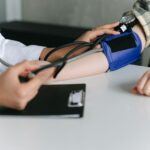
Bring a list of everything you take, including over-the-counter drugs and supplements. Blood pressure changes are often traced to a combination rather than a single drug. Your doctor may check your blood pressure lying down and again after standing — that simple test is how orthostatic hypotension is usually identified.
Do not stop or change any medication on your own. If a drug is causing symptoms, that is a conversation to have with the prescriber, who can adjust the dose or switch to an alternative.
Fainting that occurs during exertion, or without warning, needs prompt evaluation. So does a drop accompanied by a very slow or very fast heartbeat.
How Is a Sudden Blood Pressure Drop Treated?
Treatment depends on the cause. If dehydration is the trigger, drinking more fluids and replacing electrolytes can help. If a medication is responsible, the prescriber may adjust the dose or change the drug. If an underlying condition like diabetes or a heart problem is involved, managing that condition is the priority.
For people with recurrent orthostatic hypotension, some clinicians recommend practical measures: rising slowly in stages, sitting on the edge of the bed before standing, avoiding large carbohydrate-heavy meals, and staying hydrated. Compression stockings are sometimes used to reduce blood pooling in the legs. Some clinicians recommend elevating the head of the bed for certain patients.
The evidence for these measures varies. Behavioral steps like rising slowly and staying hydrated are widely recommended and low-risk. The evidence for compression stockings is mixed and depends on the type and fit. Prescription medications exist for some forms of orthostatic hypotension, but they are used under medical supervision and are not appropriate for everyone.
No single approach works for every cause. The right plan depends on what is driving the drop and on the person’s overall health.
What Can You Do to Prevent It?
Prevention starts with the basics that support blood volume and the standing reflex. Drink enough water, especially in heat and before standing for long periods. Avoid standing still for long stretches — flex your legs or shift your weight to keep blood moving. Rise in stages: sit up, pause, then stand.
Be mindful of alcohol and large meals, both of which can lower pressure. If you take blood pressure medication, take it as prescribed and report symptoms rather than adjusting it yourself. Keep a simple record of when episodes happen — after meals, in the morning, after exercise — because that pattern helps a doctor find the cause.
If you feel symptoms coming on, sit or lie down immediately. Do not try to push through it. Lying flat restores blood flow to the brain fastest, and it is the safest response when you feel faint.
Frequently Asked Questions
What causes a sudden blood pressure drop?
The most common cause is standing up too quickly, which lets blood pool in the legs before the body can correct it. Dehydration, medications, large meals, heat, and alcohol are other frequent triggers.
Is a sudden blood pressure drop dangerous?
Most episodes are brief and resolve when you sit or lie down. A drop is serious if it causes fainting with injury, chest pain, shortness of breath, or an irregular heartbeat, which needs prompt medical evaluation.
How low is too low for blood pressure?
There is no single cutoff, because symptoms matter more than the number. A reading below 90/60 mmHg is generally considered low, but many healthy people live at that level without problems.
Can dehydration cause a sudden blood pressure drop?
Yes. Less fluid means less blood volume, so pressure falls more easily when you stand. Drinking enough water and replacing electrolytes helps prevent this.
