
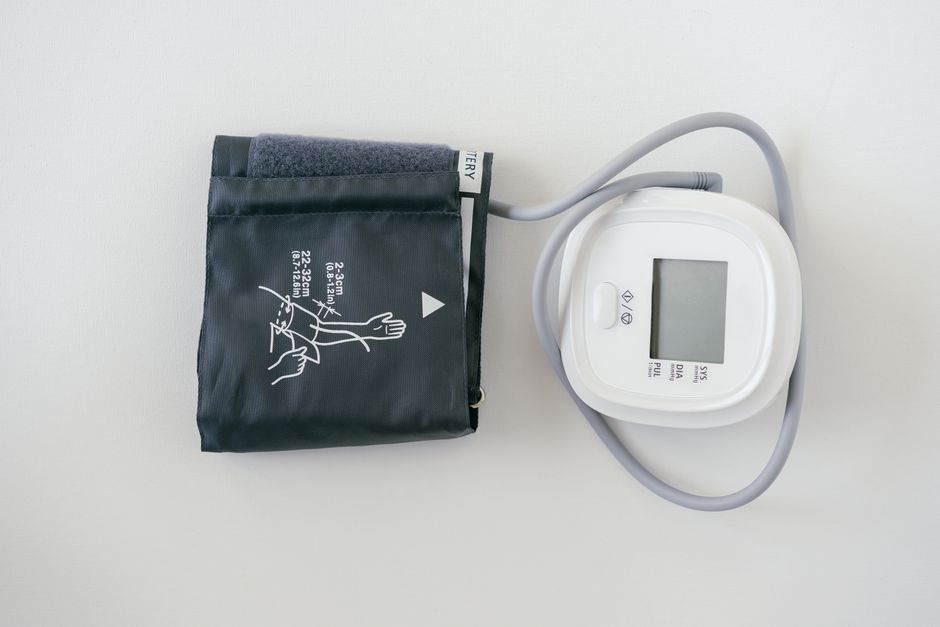
Blood pressure is the force of blood pushing against your artery walls. When that number drops too low, your vital organs may not get enough oxygen-rich blood. Most doctors consider blood pressure too low when the top number (systolic) falls below 90 mmHg or the bottom number (diastolic) falls below 60 mmHg. But the real question is not just the number — it is whether you have symptoms. A reading of 90/60 can be perfectly healthy for some people. For others, the same number can signal a serious problem.
What Number Is Too Low For Blood Pressure?
The standard definition of low blood pressure, also called hypotension, is a reading of 90/60 mmHg or lower. This is the number most clinicians use as a general threshold. However, that number alone does not tell the whole story.
A young, fit athlete may have a resting blood pressure of 85/55 and feel completely fine. Their organs are getting enough blood because their heart is efficient and their blood vessels are healthy. In this case, the low number is not a medical problem. It is simply their normal baseline.
The danger comes when blood pressure drops enough to cause symptoms. Dizziness, lightheadedness, blurred vision, nausea, fatigue, or fainting are warning signs. If blood pressure falls very low, it can lead to shock — a life-threatening condition where organs begin to fail.
When Does Low Blood Pressure Become Dangerous?
Low blood pressure becomes dangerous when it causes symptoms or when it drops suddenly. A gradual drop to 90/60 in a person who feels well is rarely an emergency. A sudden drop from 120/80 to 90/60 in a matter of minutes is a different situation entirely.
The most concerning form of low blood pressure is shock. During shock, blood pressure falls so low that the brain, kidneys, and heart cannot get enough oxygen. This can cause confusion, cold clammy skin, rapid shallow breathing, weak pulse, and loss of consciousness. Shock is a medical emergency that requires immediate treatment.
A sudden drop of just 20 mmHg — for example, from 120/80 to 100/60 — can trigger symptoms in some people. This is why doctors ask about symptoms rather than relying on the number alone. Your body’s response to the number matters more than the number itself.
Common Causes of Low Blood Pressure
Many things can cause blood pressure to drop. Some are harmless. Others require medical attention.
- Dehydration: When you lose more water than you take in, your blood volume drops. Less blood volume means lower pressure on your artery walls.
- Prolonged bed rest: Lying flat for long periods can reduce your body’s ability to regulate blood pressure when you stand.
- Pregnancy: Blood pressure often drops during the first 24 weeks of pregnancy as the circulatory system expands.
- Medications: Diuretics, beta-blockers, alpha-blockers, and some antidepressants can lower blood pressure as a side effect.
- Heart conditions: A very low heart rate, heart valve problems, or heart failure can prevent the heart from pumping enough blood.
- Endocrine disorders: Thyroid conditions, adrenal insufficiency, and low blood sugar can all affect blood pressure.
- Blood loss: Losing a significant amount of blood from injury or internal bleeding reduces blood volume sharply.
- Severe infection: Bacteria entering the bloodstream can cause a dangerous drop in blood pressure known as septic shock.
Some people experience low blood pressure only after standing up. This is called orthostatic hypotension. It happens when blood pools in your legs and your body does not respond quickly enough to push it back to your heart and brain.



Symptoms That Should Not Be Ignored
Your body gives clear signals when blood pressure is too low for your needs. Do not dismiss these symptoms, especially if they come on suddenly.
- Dizziness or lightheadedness, especially when standing up
- Fainting or near-fainting episodes
- Blurred or fading vision
- Nausea
- Cold, pale, clammy skin
- Rapid, shallow breathing
- Fatigue or weakness that feels unusual
- Difficulty concentrating or confusion
If you faint and recover quickly, it may be a one-time event. But repeated fainting, or fainting with chest pain, shortness of breath, or severe headache, requires prompt medical evaluation. These symptoms can point to an underlying condition that needs treatment.
What Counts as a Normal Blood Pressure Reading?
Normal blood pressure is generally defined as less than 120/80 mmHg. The ranges below are based on standard clinical guidelines used by healthcare providers in the United States.
| Category | Systolic (top number) | Diastolic (bottom number) |
|---|---|---|
| Normal | Less than 120 | Less than 80 |
| Elevated | 120–129 | Less than 80 |
| High (Stage 1) | 130–139 | 80–89 |
| High (Stage 2) | 140 or higher | 90 or higher |
| Low (hypotension) | 90 or lower | 60 or lower |
These numbers are guidelines, not hard rules. A reading of 95/65 may be perfectly healthy for you. A reading of 100/70 may cause symptoms in someone who usually runs at 140/90. Context matters.
How Is Low Blood Pressure Treated?
Treatment depends entirely on the cause and the symptoms. If you have no symptoms, treatment is usually not needed. Many people live with naturally low blood pressure their entire lives without any problems.
If symptoms are present, the first step is identifying the underlying cause. This often involves reviewing current medications. Some blood pressure medications can lower pressure too much, especially when combined with other drugs. A doctor may adjust the dose or switch to a different medication.
For dehydration-related low blood pressure, increasing fluid intake is the primary strategy. Water increases blood volume, which raises pressure. Some research suggests that increasing salt intake can help, but this should only be done under medical supervision. Too much salt can cause other health problems, especially in people with kidney disease or heart conditions.
Compression stockings can help by preventing blood from pooling in the legs. These are often recommended for people with orthostatic hypotension. Wearing them during the day can reduce dizziness and fainting episodes.
For severe or persistent cases, doctors may prescribe medications that raise blood pressure. These include fludrocortisone, which increases blood volume, and midodrine, which narrows blood vessels. These drugs are reserved for people whose symptoms significantly affect daily life.
When to Seek Emergency Care
Some situations require immediate medical attention. Do not wait to see if symptoms improve on their own.
Seek emergency care if low blood pressure is accompanied by any of the following:
- Confusion or disorientation
- Loss of consciousness
- Chest pain
- Shortness of breath
- Black or bloody stool
- High fever above 103°F
- Vomiting blood
- Severe abdominal pain
These symptoms can indicate internal bleeding, a severe infection, a heart attack, or an allergic reaction. In these cases, low blood pressure is a symptom of a larger emergency, not the primary problem.
Can You Prevent Low Blood Pressure?
Prevention depends on the cause. For many people, simple habits reduce the risk of symptomatic low blood pressure.
Drinking enough water throughout the day is the most effective preventive measure for many people. Dehydration is one of the most common reversible causes of low blood pressure. If you are active, live in a hot climate, or take medications that increase urination, your fluid needs may be higher than average.
Standing up slowly from a sitting or lying position gives your body time to adjust. This is especially important after waking up in the morning or after prolonged sitting. Moving your legs before standing can also help push blood back toward your heart.
Eating smaller, more frequent meals can prevent postprandial hypotension — low blood pressure that occurs after eating. This condition is more common in older adults. Resting briefly after meals can also help.
Alcohol and caffeine can affect blood pressure in different ways. Alcohol can cause dehydration and lower blood pressure. Caffeine can cause a temporary spike, but its long-term effects are less clear. If you notice symptoms after consuming either, talk to your doctor.
Frequently Asked Questions
Is 90/60 blood pressure too low?
90/60 is the general threshold for low blood pressure, but it is only a problem if you have symptoms like dizziness or fainting. Many healthy people naturally run at this level without any issues.
What blood pressure number causes fainting?
There is no single number that causes fainting because it depends on your normal baseline. A sudden drop of about 20 mmHg can trigger fainting in some people, even if the new reading is not technically low.
Can low blood pressure be dangerous?
Yes, when it causes symptoms or happens suddenly. Very low blood pressure can lead to shock, a medical emergency where organs do not get enough oxygen.
Should I worry about low blood pressure if I have no symptoms?
No, asymptomatic low blood pressure is generally not a concern. It becomes a medical issue when symptoms appear or when the drop is sudden and unexplained.
