
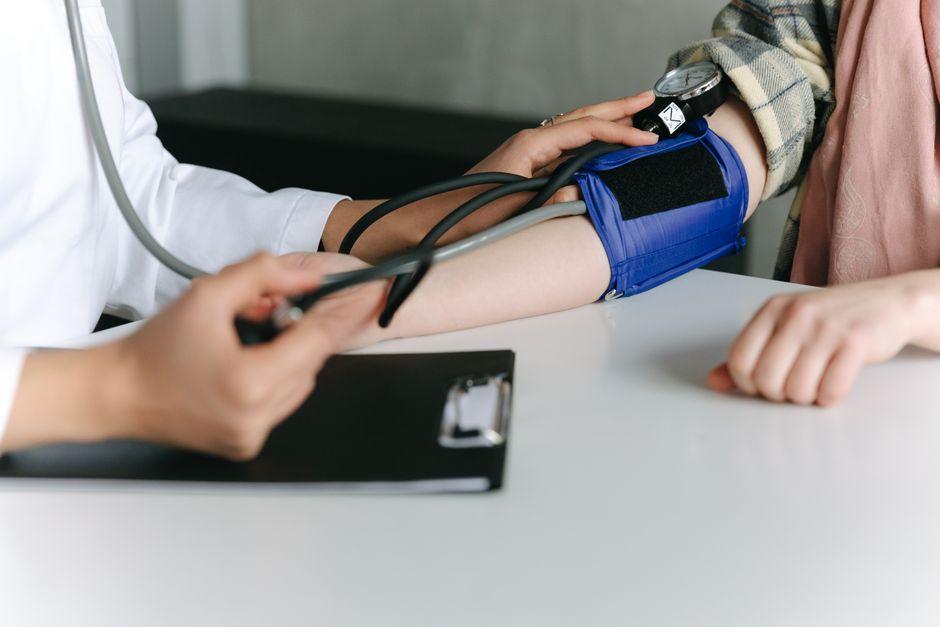
High blood pressure alone does not directly cause sweating. That is the short answer. Most people who sweat heavily and also have high blood pressure are reacting to something else — anxiety, medication side effects, or another health condition. The two can appear together but hypertension itself is not a sweating disorder. Let’s walk through what the evidence actually shows.
What Does the Research Say About High Blood Pressure and Sweating?
Research published in the Journal of the American Heart Association has found no direct link between elevated blood pressure and increased sweating. The body’s sweat response is controlled by the sympathetic nervous system. High blood pressure is a circulatory condition. They share some wiring but one does not cause the other.
Some studies suggest that people with untreated hypertension may have an overactive sympathetic nervous system. This can increase sweat output in some individuals. But the effect is small and inconsistent. Most people with high blood pressure do not report unusual sweating.
The CDC reports that nearly half of US adults have hypertension. If high blood pressure caused sweating we would see millions of people sweating without other triggers. That is not what happens in clinical practice. When patients report both sweating and high blood pressure doctors typically look for a third cause.
Can Blood Pressure Medications Cause Sweating?
Yes. This is the most common reason someone with high blood pressure starts sweating more than usual. Several classes of blood pressure drugs list excessive sweating as a known side effect.
Calcium channel blockers like amlodipine and nifedipine can cause flushing and sweating in some people. Beta blockers reduce your heart rate but they also affect how your body regulates temperature. Some people on beta blockers report cold sweats or night sweats.
Alpha blockers and vasodilators are more likely to cause sweating than other types. These drugs widen blood vessels which can trigger a reflex sweat response as the body tries to cool down.
If you started a new blood pressure medication and noticed sweating within a few weeks the drug is likely the cause. Do not stop taking it on your own. Talk to your doctor about switching classes or adjusting the dose. Many people find relief with a different medication.
What Conditions Cause Both High Blood Pressure and Sweating?
Several medical conditions can cause both symptoms at the same time. This is where the confusion comes from. People see two things happening together and assume one caused the other.
Anxiety and panic attacks are the most common cause. During a panic attack your blood pressure spikes temporarily and you sweat heavily. The sweating comes from the fight-or-flight response not from the blood pressure itself. Once the panic subsides both return to normal.
Hyperthyroidism or an overactive thyroid speeds up your metabolism. This raises your heart rate increases blood pressure and makes you sweat more than usual. The American Thyroid Association notes that heat intolerance and excessive sweating are hallmark symptoms of untreated hyperthyroidism.
Pheochromocytoma is a rare tumor of the adrenal gland. It causes sudden surges of adrenaline that spike blood pressure and cause heavy sweating. This is extremely uncommon. Less than 1 in 100,000 people have it. But it is one of the few conditions where sweating and hypertension are directly linked.
Menopause is another common cause. Hot flashes can raise blood pressure temporarily. The sweating is from hormonal changes not the blood pressure reading itself.



Does High Blood Pressure Cause Sweating at Night?
Night sweats are not caused by high blood pressure. If you wake up drenched and also have hypertension the cause is almost certainly something else.
Sleep apnea is a strong suspect. The American Academy of Sleep Medicine reports that an estimated 50% of people with hypertension also have obstructive sleep apnea. Sleep apnea causes oxygen drops at night which triggers a stress response. This leads to sweating waking up gasping and morning headaches. Treating sleep apnea often improves both night sweats and blood pressure.
Another possibility is medication timing. Some blood pressure drugs taken in the evening can cause nighttime sweating as a side effect. If your night sweats started after a medication change talk to your pharmacist or doctor about switching to a morning dose.
Hormonal changes also cause night sweats independent of blood pressure. Perimenopause and andropause both affect temperature regulation. The sweating comes from hormone shifts not from how hard your heart is pumping.
How Can You Tell the Difference?
A simple way to figure out what is causing your sweating is to track when it happens and what else is going on. Keep a log for two weeks. Write down the time of day what you were doing and what your blood pressure reading was if you have a monitor at home.
| Sweating Pattern | Likely Cause | Next Step |
|---|---|---|
| Sweating right after taking medication | Drug side effect | Talk to your doctor about switching |
| Sweating during stressful moments | Anxiety or panic | Consider stress management techniques |
| Night sweats with snoring | Sleep apnea | Request a sleep study |
| Sweating with rapid weight loss or tremor | Hyperthyroidism | Ask for a thyroid function test |
| Sweating with sudden severe headache | Possible pheochromocytoma | See a specialist |
If your blood pressure is well controlled and you are still sweating heavily the problem is not your hypertension. Look at the other factors first. Most of the time the answer is found in medication sleep or stress.
What Should You Avoid When Managing Sweating and Blood Pressure?
Some popular advice for sweating can actually make blood pressure worse. Here is what to watch for.
- Anticholinergic drugs for excessive sweating can raise blood pressure. These drugs block nerve signals to sweat glands but they also affect heart rate and blood vessel tone. Always check with your doctor before taking any pill for sweating.
- Over-the-counter decongestants found in cold and allergy medicines can spike blood pressure. Pseudoephedrine is a common one. It also makes some people sweat more. Avoid these if your blood pressure is not well controlled.
- Saunas and steam rooms are not dangerous for most people with hypertension but they can cause a temporary drop in blood pressure followed by a rebound spike. If you are prone to sweating and dizziness skip the sauna.
- Spicy foods and caffeine trigger sweating in some people and can cause a short-term rise in blood pressure. They are not harmful in moderation but cutting back may reduce both issues.
The safest approach is to treat the underlying cause of the sweating rather than trying to stop the symptom directly. If the cause is medication work with your doctor. If the cause is anxiety consider therapy or breathing exercises. If the cause is sleep apnea get tested. Treating the root problem fixes both the sweating and the blood pressure in many cases.
Common Misconceptions About High Blood Pressure and Sweating
One persistent myth is that sweating helps lower blood pressure. This is not true. Sweating removes water and salt from your body which can temporarily lower blood volume. But this effect is small and short-lived. It does not treat hypertension. In fact dehydration from heavy sweating can cause blood pressure to drop too low then spike when you rehydrate. This is not a healthy pattern.
Another misconception is that if you do not sweat during exercise your blood pressure is fine. Some people with hypertension sweat normally during exercise. Others do not. Sweat output has no relationship to blood pressure control. The only way to know your blood pressure is to measure it with a cuff.
Some people believe that natural supplements for sweating like sage or magnesium can also lower blood pressure. Evidence for this is weak. The National Institutes of Health reports that no supplement has been proven to treat hypertension effectively. Do not rely on herbal remedies for either sweating or blood pressure without talking to your doctor first.
Frequently Asked Questions
Can high blood pressure cause night sweats?
No. High blood pressure alone does not cause night sweats. Sleep apnea medication side effects or hormonal changes are much more likely causes.
Does sweating lower blood pressure?
Sweating removes water and salt which can temporarily lower blood volume but this effect is small and does not treat hypertension. It is not a safe way to manage blood pressure.
What blood pressure medications cause sweating?
Calcium channel blockers beta blockers alpha blockers and vasodilators are the most common classes that list sweating as a side effect. Not everyone experiences this and switching medications often helps.
When should I see a doctor for sweating and high blood pressure?
See a doctor if sweating is new severe or happens at night. Also seek care if you have headaches chest pain or rapid heartbeat along with the sweating.
