
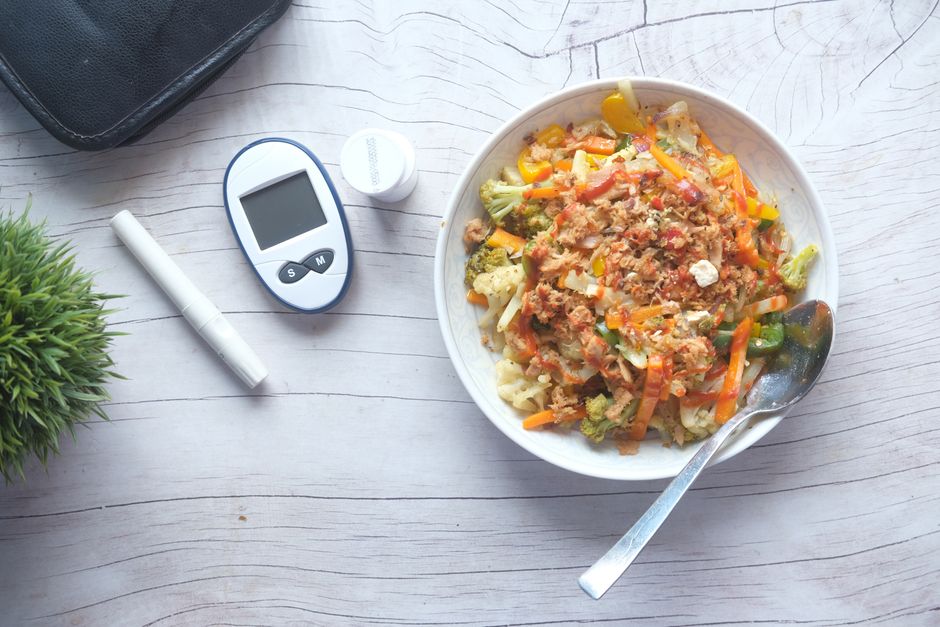
Managing diabetes often comes down to one daily question: what should I eat? The answer is simpler than many people think. The best foods for blood sugar control are whole, minimally processed foods that release glucose slowly into the bloodstream. Focus on non-starchy vegetables, lean proteins, healthy fats, and fiber-rich carbohydrates. These foods help keep blood sugar steady without demanding you give up flavor or satisfaction.
What Makes a Food Good for Blood Sugar?
Blood sugar response depends on how fast a food breaks down into glucose. Foods high in refined sugar and white flour enter the bloodstream quickly. That causes a sharp spike followed by a crash. Foods with fiber, protein, and fat slow this process down.
The glycemic index (GI) measures how quickly a food raises blood sugar. Low-GI foods score 55 or below. Medium-GI foods score 56 to 69. High-GI foods score 70 or above. But the GI alone does not tell the whole story. Portion size and what you eat alongside the food matter just as much.
Fiber is the most important nutrient for blood sugar control. It is the part of plant foods that your body cannot digest. Soluble fiber, found in oats, beans, and apples, forms a gel in the gut that slows sugar absorption. Studies consistently show that higher fiber intake improves blood sugar control in people with type 2 diabetes.
Which Vegetables Should Diabetics Eat Most?
Non-starchy vegetables should fill the largest portion of your plate. These foods are low in carbohydrates and calories but high in vitamins, minerals, and fiber. They have minimal impact on blood sugar.
Good choices include leafy greens like spinach, kale, and Swiss chard. Broccoli, cauliflower, cabbage, and Brussels sprouts are also excellent. Add peppers, mushrooms, zucchini, asparagus, and green beans to your rotation. Cucumbers and celery make easy snacks that require no preparation.
Starchy vegetables are different. Potatoes, corn, and peas contain more carbohydrates. That does not mean you must avoid them entirely. It means portion size matters. A half-cup serving of these vegetables is reasonable for most people with diabetes. Sweet potatoes have a lower glycemic index than white potatoes, but the difference is smaller than often claimed.
What Are the Best Proteins for Blood Sugar Control?
Protein does not raise blood sugar. It also helps you feel full after meals. That combination makes protein a valuable part of every meal for people with diabetes.
Fish is an excellent choice, especially fatty fish like salmon, sardines, and mackerel. These provide omega-3 fatty acids, which support heart health. People with diabetes have a higher risk of heart disease, making this a meaningful benefit.
Chicken and turkey are lean protein options when eaten without the skin. Eggs are nutritious and versatile. Plant proteins like beans, lentils, and tofu also work well. Beans have the added benefit of providing fiber along with protein.
Processed meats like bacon, sausage, and deli meats deserve caution. They are linked to higher heart disease risk. If you eat them, keep portions small and choose them less often.





Which Fruits Are Safe for Diabetics?
Fruit contains natural sugar, but it also contains fiber, water, and beneficial plant compounds. Whole fruit is a healthy choice for most people with diabetes. The key is choosing the right fruits and controlling portions.
Berries stand out as the best fruit choice. Strawberries, blueberries, raspberries, and blackberries are relatively low in sugar and high in fiber. A half-cup to one cup serving fits well in most meal plans.
Apples and pears provide good fiber, especially when you eat the skin. Citrus fruits like oranges and grapefruit are also good options. Cherries and kiwi are reasonable choices in moderate portions.
Dried fruits and fruit juices concentrate the sugar. A small box of raisins contains the sugar of many grapes. Fruit juice removes the fiber and delivers a rapid sugar spike. The American Diabetes Association advises choosing whole fruit over juice whenever possible.
What Whole Grains Can Diabetics Eat?
Whole grains are better than refined grains because they retain the fiber-rich bran and germ. Refined grains like white bread and white rice have these parts removed. That leaves mostly starch, which raises blood sugar quickly.
Oats are a solid breakfast choice. Steel-cut oats and rolled oats have a lower glycemic response than instant oats. Barley and quinoa are excellent grain options. Brown rice, wild rice, and whole-wheat bread are better than their refined counterparts.
Portion control remains essential even with whole grains. A serving of cooked grains is about half a cup. That equals roughly the size of a hockey puck. Many people eat two to three times that amount without realizing it.
Some research suggests that cooling cooked rice or potatoes overnight increases their resistant starch content. Resistant starch acts like fiber, slowing digestion. This effect is real but modest. It does not turn a high-carb food into a low-carb food.
What Can Diabetics Eat Best Foods For Blood Sugar Snacks?
Snacks can either help or harm blood sugar control. The best snacks combine protein, fiber, or fat with a small amount of carbohydrate. This combination prevents both spikes and crashes between meals.
A handful of almonds or walnuts provides healthy fat and protein with minimal carbohydrate. Greek yogurt offers protein with less sugar than regular yogurt, provided you choose plain varieties. Apple slices with peanut butter combine fiber with protein and fat. Carrot sticks with hummus deliver fiber and plant protein.
Cheese and whole-grain crackers make a balanced snack. A hard-boiled egg is portable and satisfying. Edamame provides plant protein and fiber in one package.
Be cautious with packaged snacks labeled “diabetic-friendly” or “sugar-free.” These products often contain sugar alcohols or artificial sweeteners. Sugar alcohols can cause digestive discomfort. Some sugar-free cookies still contain significant carbohydrates from flour.
Which Fats Should Diabetics Include?
Healthy fats slow digestion and help stabilize blood sugar after meals. They also support heart health. The key is choosing unsaturated fats over saturated and trans fats.
Olive oil is a staple of the Mediterranean diet, which research consistently links to better blood sugar control. Avocados provide monounsaturated fat along with fiber. Nuts and seeds offer healthy fats and plant protein.
Limit saturated fats from fatty meats, butter, and full-fat dairy. Avoid trans fats entirely. These appear in many processed baked goods and fried foods. Check ingredient labels for partially hydrogenated oils.
What Drinks Are Best for Blood Sugar?
What you drink matters as much as what you eat. Water is always the best choice. It contains no calories and no carbohydrates. Unsweetened tea and coffee are also good options. Some research suggests coffee may lower the risk of developing type 2 diabetes, though adding sugar and cream changes the picture.
Sugar-sweetened beverages are the worst choice for blood sugar. A regular soda contains about 40 grams of sugar per can. That is roughly ten teaspoons. These drinks spike blood sugar rapidly with no nutritional benefit.
Diet sodas contain no sugar but remain controversial. Some studies suggest they may increase cravings for sweet foods. The evidence is not strong enough to call them harmful, but water and unsweetened beverages remain the safer default.
How Should You Build a Diabetes-Friendly Plate?
The plate method offers a simple visual guide without counting every gram. Fill half your plate with non-starchy vegetables. Fill one quarter with lean protein. Fill the remaining quarter with whole grains or starchy vegetables.
This approach automatically controls portions and balances nutrients. It works for lunch and dinner. For breakfast, apply the same principle in smaller form. Include a protein like eggs or Greek yogurt, a fiber source like oats or whole-wheat toast, and a fruit or vegetable.
Meal timing also matters. Eating at regular intervals helps maintain steady blood sugar. Skipping meals often leads to overeating later, which causes larger blood sugar swings.
Work with a registered dietitian or certified diabetes educator to personalize these guidelines. Individual needs vary based on medications, activity level, and other health conditions.
Frequently Asked Questions
Can diabetics eat bananas?
Yes, but in moderation. A small banana contains about 24 grams of carbohydrates and is best paired with protein or fat to slow absorption.
Is brown rice better than white rice for blood sugar?
Yes. Brown rice retains its fiber-rich bran, which slows digestion and produces a lower blood sugar response than white rice.
Can diabetics eat pasta?
Yes, in controlled portions. Whole-wheat or legume-based pasta has more fiber than white pasta, and keeping servings to about one cup cooked helps limit blood sugar impact.
Are artificial sweeteners safe for diabetics?
Most approved artificial sweeteners do not raise blood sugar directly, but long-term effects remain unclear. Water and unsweetened beverages remain the best choices.
