
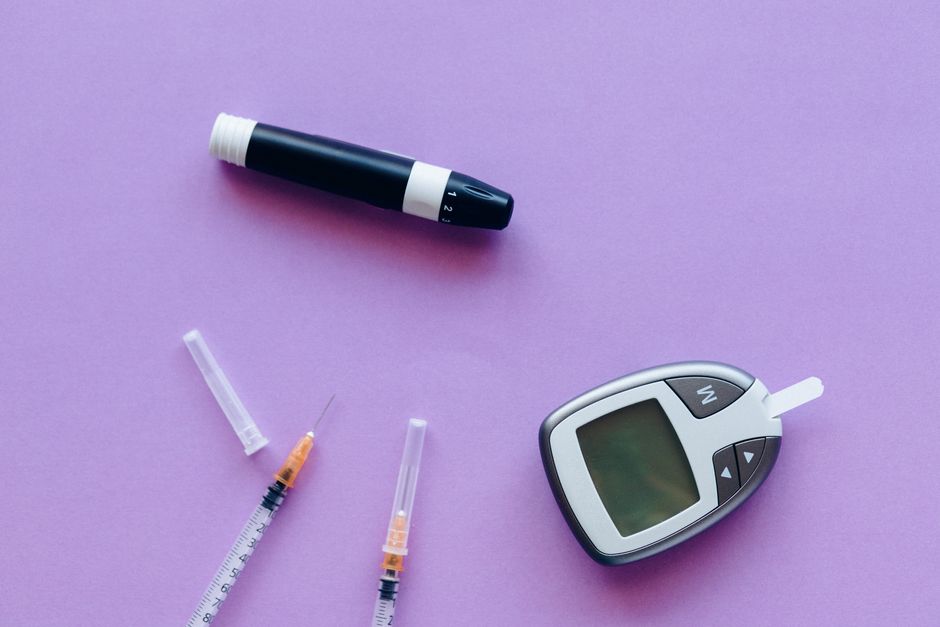
Yes, people with type 1 diabetes have high blood sugar because their bodies can no longer produce insulin. Without insulin, glucose from food stays in the bloodstream instead of moving into cells for energy. This condition is called hyperglycemia. Proper treatment with insulin can bring blood sugar into a healthy range, but it requires careful daily management. Untreated high blood sugar in type 1 diabetes can quickly lead to serious complications.
Do Type 1 Diabetics Have High Blood Sugar? Understanding the Cause
Type 1 diabetes is an autoimmune disease. The immune system attacks and destroys the beta cells in the pancreas that produce insulin. Once those cells are gone, the body makes little or no insulin. Insulin is the hormone that allows glucose to enter cells. Without it, glucose stays in the blood, causing high blood sugar. This is not a temporary issue. The insulin deficiency is permanent.
This is different from type 2 diabetes. In type 2, the body still produces insulin but cells do not respond to it as well. In type 1, there is a true lack of insulin. That is why type 1 diabetes is sometimes called insulin-dependent diabetes. People with type 1 must take insulin every day to survive.
What Are the Symptoms of High Blood Sugar in Type 1 Diabetes?
When blood sugar rises above normal, the body tries to get rid of excess glucose through urine. This causes frequent urination. Loss of fluid makes you very thirsty. These two symptoms — peeing often and feeling thirsty all the time — are classic early signs.
Other common symptoms include:
- Blurry vision
- Fatigue and weakness
- Unintended weight loss
- Mood changes or irritability
- Dry mouth
- Slow-healing cuts or sores
If blood sugar becomes extremely high, a condition called diabetic ketoacidosis (DKA) can develop. DKA is a medical emergency. Symptoms include nausea, vomiting, deep rapid breathing, fruity-smelling breath, confusion, and loss of consciousness. DKA happens most often in type 1 diabetes because the body cannot use glucose for energy and starts breaking down fat too quickly. This produces acids called ketones.
How Is High Blood Sugar Treated in Type 1 Diabetes?
Insulin is the only treatment that can directly lower blood sugar in type 1 diabetes. People take insulin by injection or through an insulin pump. There is no pill for type 1 insulin deficiency. The goal is to match insulin doses to the amount of food eaten, activity level, and other factors that affect blood sugar.
Most people with type 1 diabetes use a combination of two types of insulin: a long-acting insulin that works slowly throughout the day and a rapid-acting insulin taken before meals. Continuous glucose monitors (CGMs) help track blood sugar levels in real time. These devices reduce the number of finger-stick checks and help prevent both high and low blood sugar episodes.
Carbohydrate counting is a key skill. People learn to estimate how many grams of carbohydrate are in their meals and adjust their insulin dose accordingly. Exercise can lower blood sugar, but it requires careful planning to avoid hypoglycemia (low blood sugar). Managing type 1 diabetes is a constant balancing act. Even with excellent care, blood sugar levels can vary day to day.

Can Type 1 Diabetics Have Normal Blood Sugar?
Yes, with careful treatment many people with type 1 diabetes can keep their blood sugar within a normal range much of the time. Normal fasting blood sugar is between 70 and 99 mg/dL. After meals it may rise, but it should return to near-normal within a few hours. Research consistently shows that good blood sugar control reduces the risk of long-term complications like kidney disease, nerve damage, and eye problems.
However, achieving normal blood sugar all the time is very difficult. Even with modern insulins and technology, blood sugar can swing high or low for many reasons. Stress, illness, hormone changes, and unexpected activity can all cause glucose levels to change. Many people aim for a target A1C below 7%. A1C is a measure of average blood sugar over the past two to three months. Some people achieve lower or higher targets based on their individual health needs and risk of hypoglycemia.
What Happens If High Blood Sugar Is Not Treated in Type 1 Diabetes?
Without insulin treatment, blood sugar continues to rise. The body cannot survive without insulin for long. When glucose cannot enter cells, the body breaks down fat for energy. This produces ketones. High levels of ketones cause diabetic ketoacidosis (DKA). DKA develops within hours to days and can be fatal if not treated. It requires emergency medical care with fluids, insulin, and electrolyte replacement.
If a person with type 1 diabetes does not take enough insulin over the long term, chronic high blood sugar damages blood vessels and nerves. This leads to complications such as:
- Diabetic retinopathy (eye damage that can cause blindness)
- Nephropathy (kidney disease that may lead to dialysis)
- Neuropathy (nerve damage causing pain, numbness, or foot ulcers)
- Cardiovascular disease (heart attack and stroke)
- Peripheral artery disease (poor circulation in the legs)
These complications develop slowly over years. They are not inevitable. Good blood sugar control dramatically lowers the risk. Studies have shown that intensive insulin therapy can reduce the risk of eye, kidney, and nerve damage by 50% or more.
Is Blood Sugar Always High in Type 1 Diabetes?
No. Blood sugar levels vary throughout the day. People with type 1 diabetes can experience both high and low blood sugar. Low blood sugar (hypoglycemia) is actually a common side effect of insulin treatment. When too much insulin is taken, or when a person eats less or exercises more than usual, blood sugar can drop too low.
Hypoglycemia is dangerous because the brain needs glucose to function. Symptoms include shakiness, sweating, confusion, dizziness, and in severe cases, loss of consciousness or seizures. People with type 1 diabetes must always be prepared to treat low blood sugar by eating fast-acting glucose such as juice or glucose tablets.
The goal of treatment is to keep blood sugar in a healthy range — not too high and not too low. This takes frequent monitoring and adjustments. Even with the best care, occasional highs and lows are normal. What matters is the overall pattern over time.
Do Type 1 Diabetics Have High Blood Sugar After Eating?
Yes, it is common for blood sugar to rise after meals, especially if the meal contains carbohydrates. In a person without diabetes, insulin is released quickly to handle the incoming glucose. In type 1 diabetes, the insulin must be taken in advance. If the timing or dose is off, blood sugar can spike.
Post-meal hyperglycemia is a frequent challenge. Using a continuous glucose monitor can help people see how different foods affect their blood sugar and adjust their insulin accordingly. Some people use insulin-to-carbohydrate ratios to match their dose precisely. Despite all efforts, occasional after-meal highs happen.
The Difference Between Type 1 and Type 2 Diabetes: Blood Sugar Patterns
In type 1 diabetes, high blood sugar occurs because there is no insulin at all. In type 2 diabetes, high blood sugar happens because the body does not use insulin well and eventually may not produce enough. The treatment approaches differ. Insulin is essential for type 1. Many people with type 2 can manage with oral medications, lifestyle changes, and sometimes insulin.
Both types of diabetes can lead to dangerously high blood sugar. But diabetic ketoacidosis happens much more often in type 1. Type 2 diabetes more commonly causes a different emergency called hyperosmolar hyperglycemic state (HHS), which involves severe dehydration and very high blood sugar without significant ketone buildup.
Frequently Asked Questions
Can type 1 diabetics ever have normal blood sugar?
Yes, with careful insulin management and monitoring, many people with type 1 diabetes can keep their blood sugar in a normal range much of the time. However, achieving normal levels consistently is difficult due to daily variations in food, activity, hormones, and stress.
What is the fastest way to lower blood sugar in type 1 diabetes?
Taking rapid-acting insulin as prescribed is the fastest way to lower high blood sugar. Drinking water can also help by flushing out excess glucose through urine, but insulin is the essential treatment.
What blood sugar level is too high for a type 1 diabetic?
Blood sugar above 250 mg/dL is concerning, especially if it stays high for several hours. Above that level, ketones can build up and lead to diabetic ketoacidosis, which requires medical attention.
Is high blood sugar more dangerous for type 1 than type 2 diabetes?
High blood sugar is dangerous for both types, but in type 1 it can lead to diabetic ketoacidosis much faster. Type 1 requires insulin treatment to prevent rapid deterioration, while type 2 often allows more time before serious complications develop.
