
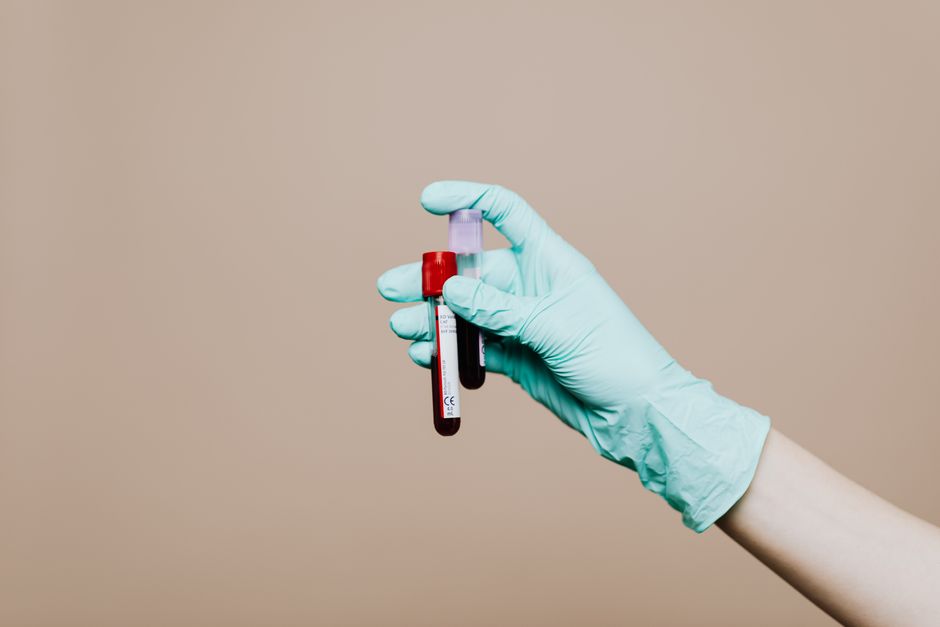
The pituitary gland is a small organ at the base of the brain that controls many of your body’s hormones. Doctors use blood tests to check how well it is working. These tests measure hormone levels that the pituitary produces or hormones from glands it controls, like the thyroid, adrenal glands, and reproductive organs. A single blood test is rarely enough, so doctors usually order a panel of tests to get a full picture of pituitary function.
What Blood Tests Are Done For The Pituitary Gland?
Doctors order several different blood tests to evaluate the pituitary gland. The specific tests depend on your symptoms, but a standard workup usually includes measurements of cortisol, thyroid hormones, prolactin, and sex hormones. These tests look at both the pituitary’s direct hormone output and the hormones produced by glands that the pituitary directs.
The pituitary produces hormones that tell other glands what to do. For example, it makes thyroid-stimulating hormone (TSH), which tells the thyroid to produce thyroid hormone. It makes adrenocorticotropic hormone (ACTH), which tells the adrenal glands to produce cortisol. It also makes follicle-stimulating hormone (FSH) and luteinizing hormone (LH), which direct the ovaries or testicles.
Because the pituitary works this way, doctors often test both the pituitary hormone and the target gland hormone together. This helps them find where the problem is located. For example, a low thyroid hormone level with a normal TSH points to a problem in the pituitary, not the thyroid itself.
What Is the Basic Pituitary Blood Test Panel?
Most doctors start with a basic panel that covers the major pituitary hormone pathways. This panel usually includes cortisol, ACTH, TSH, free T4, prolactin, FSH, LH, and testosterone or estradiol. Growth hormone and insulin-like growth factor-1 (IGF-1) are sometimes added, depending on your symptoms.
These tests are often drawn in the morning. Cortisol and ACTH naturally follow a daily rhythm, with the highest levels around 8 a.m. A morning draw gives the most useful information for these two hormones. Other hormones like TSH and prolactin can be measured at any time, though fasting is sometimes preferred for consistency.
The basic panel gives a broad overview. If any value comes back abnormal, your doctor will order more specific tests to understand the pattern. Normal results do not completely rule out pituitary disease, but they make significant dysfunction less likely.
How Do Doctors Test Cortisol and ACTH?
Cortisol and ACTH are tested together to assess the adrenal-pituitary axis. Cortisol is the stress hormone produced by the adrenal glands. ACTH is the pituitary hormone that stimulates cortisol production. Measuring both at the same time helps doctors determine where a problem exists.
A normal morning cortisol level generally suggests the adrenal glands are responding appropriately. If cortisol is low and ACTH is low, the pituitary is not sending enough stimulation to the adrenals. If cortisol is low and ACTH is high, the problem is in the adrenal glands themselves, not the pituitary.
When results are unclear, doctors may order additional tests. The ACTH stimulation test measures how well the adrenal glands respond to a synthetic form of ACTH. The insulin tolerance test is another option, but it is more complex and requires medical supervision because it deliberately lowers blood sugar.



What Thyroid Tests Are Used for Pituitary Evaluation?
Thyroid function tests are a key part of pituitary evaluation. The pituitary produces TSH, which signals the thyroid to make thyroid hormone. Testing TSH alone can miss pituitary problems, so doctors usually order free T4 as well.
Free T4 is the active thyroid hormone circulating in your blood. When both TSH and free T4 are low, it suggests the pituitary is not producing enough TSH. This condition is called central hypothyroidism. It differs from primary hypothyroidism, where the thyroid itself fails and TSH runs high.
Free T3 is sometimes measured, but it is less useful for pituitary evaluation. Most doctors rely on TSH and free T4 as the primary thyroid tests. If central hypothyroidism is suspected, your doctor will likely order additional pituitary testing to look for other hormone deficiencies.
Why Is Prolactin Measured?
Prolactin is a hormone produced by the pituitary that supports breast milk production. It is measured in pituitary evaluations because elevated prolactin levels can signal a pituitary tumor called a prolactinoma. These tumors are the most common type of pituitary tumor.
High prolactin levels can cause symptoms like irregular periods, breast milk production outside of pregnancy, and low sex drive. In men, it can cause erectile dysfunction and reduced testosterone. Even small elevations can be significant, so doctors take this test seriously.
Prolactin levels can also rise for non-pituitary reasons. Pregnancy, breastfeeding, stress, and certain medications all increase prolactin. Some medications used for acid reflux, nausea, and psychiatric conditions are common culprits. Your doctor will review your medications before interpreting a high prolactin level.
How Are Sex Hormones Tested?
The pituitary controls reproduction through FSH and LH. These hormones signal the ovaries to produce estrogen and the testicles to produce testosterone. Testing both the pituitary hormones and the sex hormones helps doctors assess this pathway.
In women, FSH, LH, and estradiol are often measured. Low FSH and LH with low estradiol suggests a pituitary problem. In men, FSH, LH, and testosterone are typically measured. Low FSH and LH with low testosterone also points to the pituitary.
Timing matters for women. Hormone levels change throughout the menstrual cycle, so doctors usually test on specific days. For women who have irregular or absent periods, the timing is less critical because the cycle is already disrupted.
What About Growth Hormone Testing?
Growth hormone testing is more complex than other pituitary tests. Growth hormone is released in pulses, so a single random measurement is not very useful. Instead, doctors usually measure IGF-1, which reflects average growth hormone levels over time.
IGF-1 is produced by the liver in response to growth hormone. It is more stable than growth hormone itself, making it a better screening test. Low IGF-1 suggests growth hormone deficiency. High IGF-1 suggests growth hormone excess, which can indicate a pituitary tumor.
If IGF-1 is abnormal, doctors may order stimulation or suppression tests. The growth hormone stimulation test checks whether the pituitary can produce growth hormone when stimulated. The glucose suppression test checks whether growth hormone levels drop appropriately after sugar intake. These tests are more involved and require multiple blood draws.
When Would a Doctor Order These Tests?
Doctors order pituitary blood tests when symptoms suggest a hormone imbalance. Common signs include unexplained fatigue, weight changes, irregular periods, low libido, and persistent headaches. Vision changes can also prompt testing because pituitary tumors can press on the optic nerves.
Some people need these tests because of an existing condition. People with a history of head trauma, brain surgery, or radiation to the head are at higher risk for pituitary dysfunction. People taking long-term steroids may also need evaluation because steroids can suppress pituitary function.
Pituitary disorders are relatively uncommon, so doctors do not screen everyone. Testing is reserved for people with specific symptoms or risk factors. If you have concerns, discuss them with your doctor rather than ordering tests on your own.
What Do Abnormal Results Mean?
Abnormal pituitary blood tests do not automatically mean you have a tumor. Many conditions can cause abnormal hormone levels, including stress, illness, medications, and other medical conditions. Your doctor will interpret the results in the context of your symptoms and medical history.
If blood tests suggest a pituitary problem, your doctor will likely order imaging. An MRI of the brain is the standard test for visualizing the pituitary gland. It can detect tumors, inflammation, or other structural problems that blood tests cannot identify.
Treatment depends on the specific diagnosis. Some pituitary tumors are managed with medication. Others require surgery or radiation. Hormone deficiencies are treated with replacement hormones. The treatment plan is highly individualized based on which hormones are affected and the cause of the problem.
Can You Test the Pituitary at Home?
Home test kits for hormones exist, but they are not a substitute for medical evaluation. At-home tests typically measure single hormones like cortisol or thyroid hormone. They do not provide the comprehensive picture that a doctor-ordered panel provides.
Interpreting hormone levels requires clinical context. A single abnormal value may be meaningless without knowing your symptoms, medications, and other lab results. Home tests also have varying quality and accuracy standards compared to clinical laboratories.
If you suspect a pituitary problem, see a doctor. They can order the right tests, interpret them correctly, and guide you through any necessary follow-up. Self-testing can cause unnecessary worry or false reassurance.
Frequently Asked Questions
What blood tests are done for the pituitary gland?
Doctors typically order cortisol, ACTH, TSH, free T4, prolactin, FSH, LH, and sex hormones. IGF-1 is added when growth hormone problems are suspected.
Do I need to fast for pituitary blood tests?
Fasting is not required for most pituitary hormones, though some doctors prefer it for consistency. Morning timing matters most for cortisol and ACTH tests.
Can a blood test detect a pituitary tumor?
Blood tests can detect hormone imbalances that suggest a tumor, but they cannot see the tumor itself. An MRI of the brain is needed to confirm a pituitary tumor.
Are pituitary blood tests painful?
They involve a standard blood draw from your arm, similar to any routine blood test. Discomfort is minimal and brief.
