
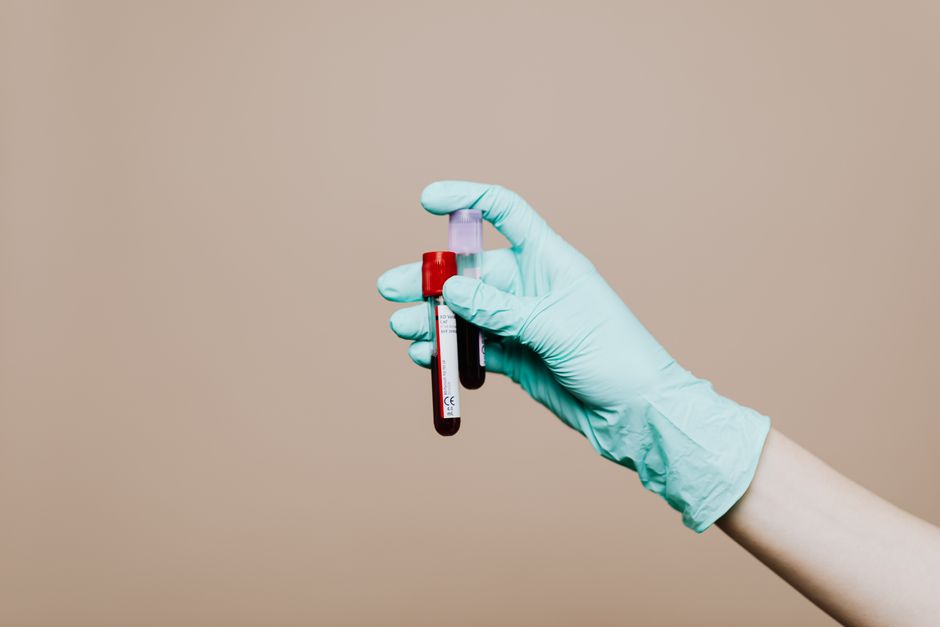
Yes, THC does show up in blood tests. When you consume cannabis, THC enters your bloodstream and can be detected for a specific window of time. Blood tests measure the active THC circulating in your body, which is different from urine tests that look for broken-down byproducts. This makes blood tests the most accurate way to determine recent cannabis use, but they also have a shorter detection window than other testing methods.
How Long Does THC Stay in Your Blood?
The short answer is hours to a few days for most people. But the exact window depends heavily on how often you use cannabis. For someone who uses once or twice, THC levels drop quickly after the effects wear off. For regular users, THC can linger much longer.
Research published in the journal Clinical Chemistry found that after a single use, THC levels in blood peak within minutes and drop below common detection limits within 3 to 4 hours. However, trace amounts can remain for up to 24 hours. For daily users, THC can be detected in blood for up to 7 days after last use. The difference comes down to how THC is stored and released from fat tissue.
THC is fat-soluble. It binds to fatty tissues in your body and slowly releases back into the bloodstream over time. This is why a person who uses cannabis daily will have a longer detection window than someone who uses it rarely. The body is essentially a slow-release reservoir of THC for regular users.
Does THC Show Up in Blood Tests the Same as Urine Tests?
No, and this is a common misunderstanding. Blood tests and urine tests measure different things. Blood tests look for the active compound delta-9-tetrahydrocannabinol (THC) itself. Urine tests look for THC-COOH, a non-psychoactive metabolite that your body produces as it breaks down THC.
This difference matters for two reasons. First, blood tests are better at showing recent impairment because they measure the active THC that causes the high. Second, the detection window is much shorter for blood than for urine. A person might test positive in urine for weeks after last use but test negative in blood within days.
Employers and law enforcement sometimes prefer blood tests when they need to know if someone is currently under the influence. Urine tests are more common for pre-employment screening because they catch past use over a longer period.
What Factors Affect How Long THC Stays in Your Blood?
Several factors determine your personal detection window. Frequency of use is the biggest one. A first-time user will clear THC from blood much faster than someone who uses daily. Body fat percentage also matters because THC stores in fat cells. People with higher body fat may retain THC longer than leaner individuals.
Metabolism plays a role too. A faster metabolism processes and eliminates THC more quickly. Hydration and exercise can have minor effects, but they will not drastically change your results. The idea that drinking lots of water or exercising hard will flush THC from your blood in hours is not supported by evidence.
Here is a general breakdown of detection windows based on usage patterns:
- Single use: 3 to 4 hours for active THC, up to 24 hours for trace amounts
- Occasional use (2-3 times per week): 1 to 3 days
- Moderate use (4-6 times per week): 3 to 5 days
- Daily use: 5 to 7 days, sometimes longer
- Chronic heavy use: up to 14 days in some cases
These are general ranges. Individual results vary. The only reliable way to know your own detection window is to abstain for a period longer than your typical usage pattern.



Can You Fail a Blood Test From Secondhand Smoke?
This is unlikely but not impossible. Studies have looked at whether being in a room where people are smoking cannabis can cause a positive blood test. The research consistently shows that secondhand exposure in well-ventilated areas does not produce detectable levels of THC in blood.
However, extreme exposure in an unventilated space over a long period might. One study published in the Journal of Analytical Toxicology found that participants in a small, unventilated room with heavy cannabis smoke for one hour had detectable THC in blood for up to 2 hours. The levels were low and dropped quickly.
For practical purposes, if you are in a typical social setting where someone is smoking cannabis, you are very unlikely to fail a blood test. The more realistic concern is if you are in a confined space like a car with heavy smoke for an extended time. Even then, the levels are low and short-lived.
What Do Blood Test Results Actually Mean?
Blood tests for THC are not always straightforward. Different labs use different cutoff levels to determine a positive result. A common cutoff is 1 to 2 nanograms per milliliter (ng/mL) of active THC. Some tests have higher cutoffs, which means they only flag results above a certain threshold.
This matters because trace amounts of THC can remain in your blood for days after the psychoactive effects have worn off. A positive blood test does not necessarily mean you were impaired at the time of the test. It only means THC was present in your bloodstream.
Some states and employers have set specific legal limits for THC in blood, similar to blood alcohol concentration limits. For example, some states use 5 ng/mL as the threshold for impairment while driving. Below that level, it is not considered evidence of being under the influence. These limits vary widely and are still debated by researchers.
The American Medical Association has stated that there is no reliable correlation between THC blood levels and impairment. Unlike alcohol, where blood concentration correlates reasonably well with intoxication, THC affects people differently at different levels. A regular user may function normally at a blood level that would impair a new user.
Does THC Show Up in Blood Tests for Employment?
Yes, but it depends on the employer. Many employers use urine tests for pre-employment screening because they are cheaper and have a longer detection window. However, some employers, particularly in safety-sensitive industries like transportation or heavy machinery operation, use blood tests.
Blood tests are more common for post-accident testing. If an employee is involved in an accident at work, an employer may order a blood test to check for recent drug use. This is because blood tests are better at showing whether someone was under the influence at the time of the incident.
Some employers also use blood tests for random drug screening, though this is less common. The detection window for blood is short, so random blood tests are more likely to catch recent use rather than use from days ago. This is different from urine tests, which can catch use from weeks prior.
Frequently Asked Questions
How long does THC stay in your blood after one hit?
After a single use, active THC levels drop below common detection limits within 3 to 4 hours, though trace amounts may remain for up to 24 hours.
Can drinking water help flush THC from your blood?
No, drinking water does not speed up the elimination of THC from your blood. THC is fat-soluble and processed by your liver, not diluted by water.
Do blood tests show past cannabis use from weeks ago?
No, blood tests have a short detection window and typically only show recent use from the past few hours to a few days, depending on usage frequency.
What is the difference between a blood test and a urine test for THC?
Blood tests measure active THC that causes impairment, while urine tests measure a non-psychoactive metabolite that stays in the body much longer.
