
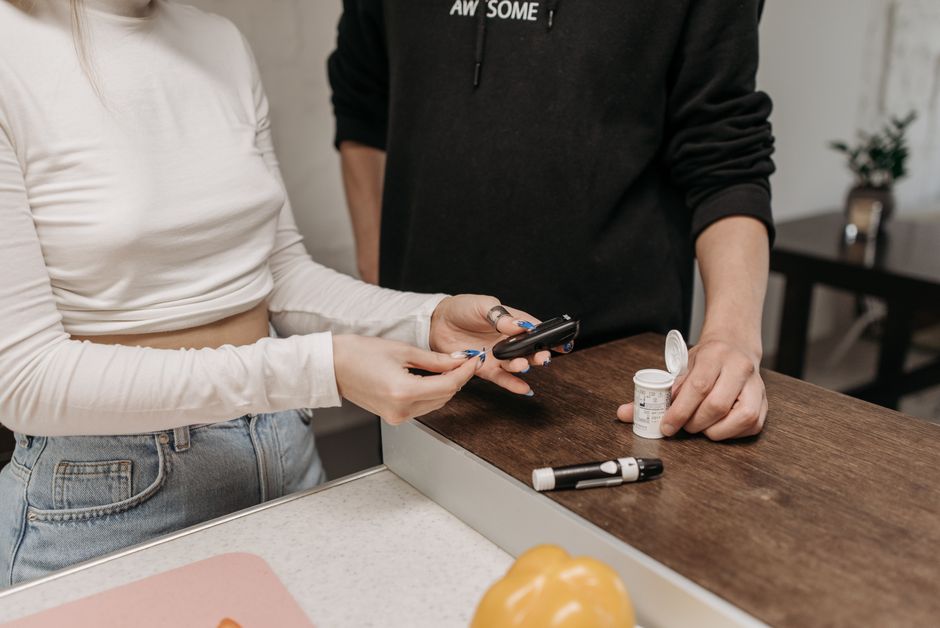
Hypoglycemia, or low blood sugar, shows up clearly on blood work when the test is done at the right time. The key is testing while symptoms are happening, not after they pass. A blood glucose level below 70 mg/dL is the standard cutoff used by the American Diabetes Association and most hospitals to diagnose hypoglycemia.
What Blood Tests Actually Diagnose Hypoglycemia?
The most direct test is a simple blood glucose measurement. This can be done with a fingerstick test using a glucometer or with blood drawn from a vein in your arm. The venous blood draw is more accurate and is what doctors rely on for diagnosis.
There is also something called a mixed-meal tolerance test. You eat a special liquid meal and your blood is drawn at set intervals over several hours. This test checks how your body handles sugar after eating. It is often used when doctors suspect reactive hypoglycemia, which is low blood sugar that happens a few hours after a meal.
Another option is the prolonged fasting test. You stay in a hospital or clinic and do not eat for up to 72 hours. Blood is drawn every few hours or whenever you feel symptoms. This test is used for rare cases where hypoglycemia might be caused by a tumor or other serious condition.
Does Hypoglycemia Show Up In Blood Work What Tests Reveal About Timing
Timing is everything with hypoglycemia testing. If your blood sugar drops to 55 mg/dL at 3 PM but you do not get tested until 5 PM, your results might show a normal 85 mg/dL. The low episode is already over by then.
This is why doctors often ask people to test themselves at home when they feel symptoms. A home glucometer gives you a reading in seconds. If you get a low number during symptoms, that is strong evidence of hypoglycemia.
For formal diagnosis, doctors use what is called Whipple’s triad. This means three things must be present: symptoms of low blood sugar, a low blood glucose measurement during those symptoms, and relief of symptoms after eating sugar. All three parts must line up for a confident diagnosis.
Some studies suggest that up to 10 percent of people who report hypoglycemia symptoms actually have normal blood sugar when tested. This does not mean they are imagining things. It often means the test was done too late or their symptoms have a different cause entirely.
What Levels of Blood Sugar Count as Hypoglycemia
The standard medical cutoff for hypoglycemia in adults is a blood glucose level below 70 mg/dL. But not everyone feels symptoms at the same number. Some people feel shaky and weak at 65 mg/dL while others feel fine until they hit 50 mg/dL.
There are three levels doctors use to classify hypoglycemia severity. Level 1 is a glucose value between 54 and 69 mg/dL. This is considered alert-level hypoglycemia. Level 2 is below 54 mg/dL and is considered clinically significant. Level 3 is severe hypoglycemia where a person needs help from someone else to treat it.
For people with diabetes, especially those on insulin, the goal is to avoid going below 70 mg/dL. The American Diabetes Association recommends treating any reading below 70 mg/dL with fast-acting glucose even if you feel no symptoms.
| Hypoglycemia Level | Blood Glucose Range | What It Means |
|---|---|---|
| Level 1 | 54-69 mg/dL | Alert level. Treat with fast-acting sugar. |
| Level 2 | Below 54 mg/dL | Clinically significant. Needs immediate treatment. |
| Level 3 | Any low level | Severe. Person needs help from another person. |


Can Blood Work Miss Hypoglycemia
Yes, blood work can miss hypoglycemia. This happens more often than most people realize. A single blood draw at your annual physical will not catch a low blood sugar episode that happened two days ago. The body restores normal glucose levels quickly once you eat.
Another issue is that some lab tests require the blood sample to be processed quickly. If the tube sits too long, the red blood cells continue using glucose and the measured level drops artificially. This is called ex vivo glycolysis and it can make a normal blood sample look falsely low.
To avoid this, many hospitals use tubes containing a substance called sodium fluoride that stops the cells from using glucose. But not all clinics use these tubes. If you get a low result that does not match your symptoms, ask if the correct tube was used.
Continuous glucose monitors, or CGMs, offer a different way to track blood sugar. These are small sensors worn on the skin that measure glucose every few minutes. They can catch low episodes that standard blood work might miss. The FDA has approved several CGMs for non-diabetic use, though insurance coverage varies.
What Causes Hypoglycemia in People Without Diabetes
Hypoglycemia in people without diabetes is much less common than in those with diabetes. When it does happen, the causes are varied. Some people develop reactive hypoglycemia after eating large amounts of carbohydrates. Their body releases too much insulin in response and blood sugar drops too low a few hours later.
Certain medications can also cause low blood sugar. Beta-blockers, some antibiotics, and medications for malaria have been linked to hypoglycemia. Alcohol is another common cause, especially when drinking on an empty stomach. The liver is busy processing alcohol and does not release stored glucose effectively.
Rarer causes include insulin-producing tumors called insulinomas, liver disease, kidney failure, and hormone deficiencies. These conditions are serious and require specialist evaluation. The National Institutes of Health reports that insulinomas occur in only about 1 to 4 people per million each year.
Some people report hypoglycemia symptoms after eating but have normal blood sugar readings. This is sometimes called pseudohypoglycemia. The symptoms may be caused by something else entirely, such as anxiety, dehydration, or a rapid change in blood pressure after eating.
What to Expect When Getting Tested for Hypoglycemia
If your doctor suspects hypoglycemia, they will likely start with a fasting blood glucose test. You will be asked not to eat or drink anything except water for 8 to 12 hours before the test. This is usually done first thing in the morning.
If that test is normal but you still have symptoms, the next step is often a mixed-meal tolerance test or an extended oral glucose tolerance test. These tests take several hours and involve multiple blood draws. You will need to plan for at least half a day at the clinic or hospital.
For people with diabetes who experience frequent lows, doctors often recommend a continuous glucose monitor. These devices provide a more complete picture of glucose patterns over days and weeks. The data from a CGM can reveal lows that happen during sleep or between meals that fingerstick tests might miss.
Keep a symptom diary before your appointment. Write down when symptoms happen, what you ate that day, and what the symptoms felt like. This information helps your doctor decide which tests to order and when to do them.
- Fingerstick tests give quick results but are less accurate than venous blood draws.
- Fasting tests require 8-12 hours without food and are done in the morning.
- Mixed-meal tests take several hours and involve eating a special liquid meal.
- Continuous glucose monitors track levels for up to 14 days at a time.
- Symptom diaries help doctors decide the right test and timing.
Common Misconceptions About Hypoglycemia Testing
A common belief is that a single normal blood sugar result rules out hypoglycemia. This is not true. Hypoglycemia is an episodic condition. You can have normal blood sugar 99 percent of the time and still have dangerous lows during specific situations.
Another misconception is that home glucometers are always accurate. These devices are approved for trend tracking, not precise diagnosis. The FDA allows a margin of error of up to 15 percent for home glucose monitors. A reading of 70 mg/dL could actually be 60 mg/dL or 80 mg/dL.
Some people also believe that feeling shaky or dizzy after eating means they must have low blood sugar. Research published in the Journal of Clinical Endocrinology and Metabolism found that many people with these symptoms have completely normal glucose levels. The symptoms can be caused by rapid changes in digestion, blood pressure, or stress hormones.
There is also a widespread idea that hypoglycemia is a common condition in people without diabetes. This is not supported by evidence. True hypoglycemia in non-diabetic adults is relatively rare. Most people who think they have it actually have something else going on.
Frequently Asked Questions
Can a normal blood test miss hypoglycemia?
Yes, a normal blood test can miss hypoglycemia if the test is done when symptoms are not present. Low blood sugar episodes are temporary and the body restores normal levels quickly.
What is the best test for hypoglycemia?
The best test is a blood glucose measurement taken during active symptoms. A mixed-meal tolerance test or prolonged fasting test may be used if standard tests are inconclusive.
How low does blood sugar have to be for hypoglycemia diagnosis?
Blood sugar below 70 mg/dL is the standard cutoff for hypoglycemia diagnosis in adults. Levels below 54 mg/dL are considered clinically significant.
Do I need to fast before hypoglycemia blood work?
Yes, most hypoglycemia blood work requires fasting for 8 to 12 hours. Your doctor will give specific instructions based on which test is ordered.
