
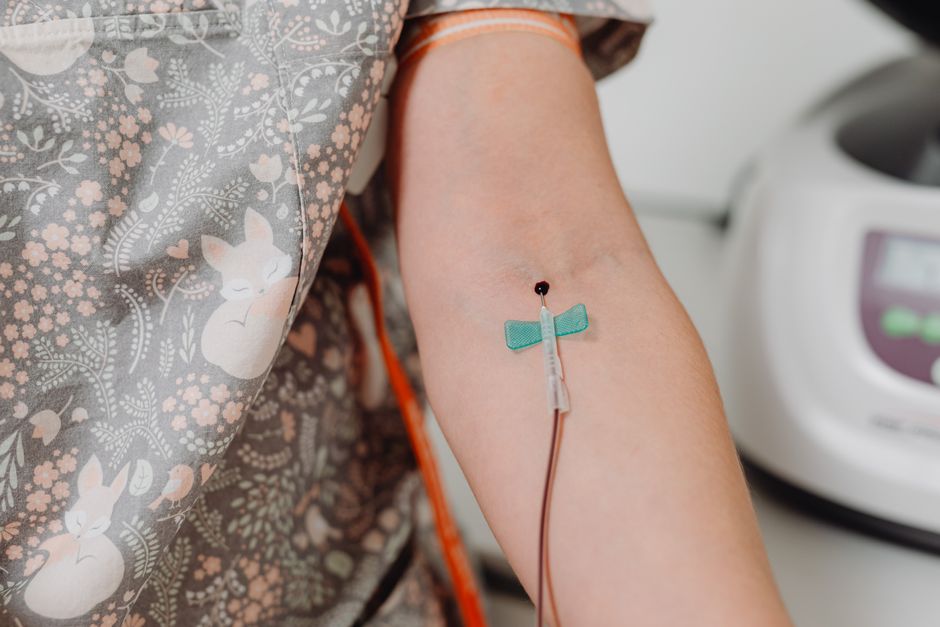
A blood transfusion replaces blood you have lost or blood your body cannot make on its own. The clearest signs you need one are severe bleeding, a very low red blood cell count, and symptoms of oxygen shortage like extreme fatigue, shortness of breath, and pale skin. Doctors do not rely on symptoms alone. They use blood tests to confirm your hemoglobin level has dropped to a point where a transfusion is medically necessary.
What Are The Signs That You Need A Blood Transfusion?
The most obvious sign is active heavy bleeding. This can come from trauma, surgery, childbirth, or a bleeding ulcer in the digestive tract. When you lose a large volume of blood quickly, your organs do not get enough oxygen. This is a medical emergency.
Symptoms of significant blood loss include dizziness, confusion, rapid heart rate, and cold clammy skin. Your blood pressure may drop. You may feel like you are going to pass out. If you are losing blood rapidly, do not wait for a blood test. Call for emergency help.
Slow blood loss is different. It can happen over weeks or months without you noticing. The body tries to compensate. Your heart beats faster to move more blood. You may feel tired because your muscles and brain are not getting enough oxygen. Eventually, the symptoms become hard to ignore.
What Does Low Hemoglobin Feel Like?
Hemoglobin is the protein in red blood cells that carries oxygen. When your hemoglobin falls, every organ in your body gets less oxygen than it needs. The symptoms develop gradually with slow blood loss, which makes them easy to dismiss as stress or lack of sleep.
The most common symptom is fatigue that does not improve with rest. This is not ordinary tiredness. People describe it as a heaviness in the limbs and a feeling that even small tasks require enormous effort. Simple activities like walking up stairs may leave you breathless.
Shortness of breath is another key sign. You might notice it during physical activity at first. As anemia worsens, you may feel breathless while sitting still. Your heart may race or pound, especially with exertion, because it is working harder to deliver the limited oxygen available.
Pale skin is a visible sign. The inside of your lower eyelids, your gums, and your nail beds may lose their normal pink color. In people with darker skin, paleness is often most noticeable in the inner eyelids and the palms of the hands.
Other symptoms include dizziness, headaches, and difficulty concentrating. Some people report chest pain, especially if they already have heart disease. Cold hands and feet are common because the body redirects blood away from the extremities to protect vital organs.
When Is A Blood Transfusion Actually Needed?
A transfusion is not based on how you feel. It is based on a blood test that measures your hemoglobin level. Hemoglobin is measured in grams per deciliter of blood. The normal range for adult men is roughly 13.5 to 17.5 g/dL. For adult women, it is roughly 12.0 to 15.5 g/dL.
Most hospitals use a hemoglobin threshold of 7.0 g/dL for stable adult patients who are not actively bleeding. Below this level, the risk of complications from anemia outweighs the risks of a transfusion. For patients with heart disease, the threshold is often higher, around 8.0 g/dL, because their hearts are less able to compensate for low oxygen.
Active bleeding changes the picture entirely. If you are losing blood rapidly, a doctor may order a transfusion even with a higher hemoglobin level. The goal is to replace what is being lost and keep your blood pressure stable. In trauma situations, blood products are given immediately without waiting for lab results.
There are also cases where transfusion is needed despite a normal hemoglobin level. This happens with certain blood disorders, like sickle cell disease, where the blood cells themselves are abnormal. It can also happen with severe platelet or clotting factor deficiencies. These situations are managed by specialists and follow different guidelines.



What Conditions Lead To Blood Transfusions?
Chronic kidney disease is a common cause. The kidneys produce a hormone called erythropoietin that tells your bone marrow to make red blood cells. When kidneys fail, this signal stops. The result is a slow, steady decline in hemoglobin that often requires transfusion.
Cancer and its treatments can cause severe anemia. Chemotherapy suppresses bone marrow function, which reduces the production of all blood cells. Gastrointestinal cancers may bleed slowly over time. Some cancers directly invade the bone marrow and crowd out healthy blood-forming cells.
Severe iron deficiency can lead to transfusion, but only when it has become extreme. Iron deficiency anemia is usually treated with iron supplements first. Transfusion becomes necessary when the anemia is severe enough to cause heart strain or when iron therapy cannot work quickly enough to prevent organ damage.
Gastrointestinal bleeding is one of the most common reasons for transfusion in older adults. Stomach ulcers, colon polyps, and cancers can bleed slowly for months. The blood is digested and turns the stool black and tarry. By the time fatigue becomes noticeable, the anemia can be severe.
Major surgery often involves significant blood loss. Hip replacements, heart surgery, and organ transplants commonly require transfusion. Many hospitals now use techniques to recycle blood lost during surgery and give it back to the patient, which reduces the need for donated blood.
What Are The Risks Of A Blood Transfusion?
Transfusions are safer today than at any point in history. Donated blood is tested extensively for infectious diseases. The blood supply in the United States is screened for HIV, hepatitis B, hepatitis C, syphilis, and several other infections. The risk of contracting a viral infection from a transfusion is extremely low.
Still, transfusions are not risk-free. The most common reaction is a fever, which occurs when your immune system reacts to white blood cells in the donated blood. This is usually mild and treatable with acetaminophen. It does not cause lasting harm.
A more serious reaction is transfusion-related acute lung injury, or TRALI. This is a rare condition where the lungs fill with fluid within hours of the transfusion. It requires immediate medical treatment. Another rare but serious complication is hemolytic reaction, where your immune system destroys the transfused red blood cells. This causes fever, back pain, and dark urine and requires emergency care.
One long-term concern is iron overload. The body has no efficient way to remove excess iron. Each unit of red blood cells contains a significant amount of iron. Patients who receive many transfusions over time can accumulate dangerous levels of iron in their organs, particularly the heart and liver. This is why doctors track lifetime transfusion counts and may prescribe iron-removing medications for patients who need repeated transfusions.
How Do Doctors Decide To Transfuse?
The decision is never made by a single symptom or number. Your doctor considers your hemoglobin level, your symptoms, your heart and lung health, your rate of blood loss, and whether you have conditions that make you more vulnerable to low oxygen.
A healthy young person with a hemoglobin of 7.0 g/dL may feel tired but tolerate it well. An older person with heart disease at the same level may experience chest pain and confusion. The second patient is more likely to receive a transfusion because the risk of heart damage from anemia is higher than the risk of transfusion complications.
Doctors also use a concept called restrictive transfusion strategy. This means giving the smallest number of blood units needed to reach a safe hemoglobin level, rather than trying to bring levels back to normal. Research consistently shows that this approach is safer for patients. It reduces the risk of complications and conserves the blood supply.
You have the right to ask your doctor why a transfusion is being recommended. You should ask what your hemoglobin level is and what the target level is. You should ask about alternatives, such as iron infusions or medications that stimulate red blood cell production. These alternatives take longer to work but may be appropriate for stable patients.
Can You Prevent Needing A Blood Transfusion?
Some causes of anemia are preventable. Iron deficiency is the most common cause worldwide. Eating iron-rich foods like lean meat, beans, lentils, and dark leafy greens helps maintain healthy iron stores. Pairing iron-rich foods with vitamin C improves absorption. Tea and coffee can reduce iron absorption when consumed with meals.
Treating the underlying cause of blood loss is the most effective prevention. If you have heavy menstrual bleeding, a bleeding ulcer, or a colon polyp, fixing the source stops the ongoing loss. Regular screening for colon cancer, which begins at age 45 for average-risk adults in the United States, can catch bleeding polyps before they cause severe anemia.
Before elective surgery, doctors can check your hemoglobin and treat any anemia in advance. This reduces the likelihood that you will need a transfusion during or after the procedure. Some hospitals run “patient blood management” programs that optimize hemoglobin levels before surgery and use blood-saving techniques during the operation.
Medications called erythropoiesis-stimulating agents can reduce transfusion needs in certain conditions. These drugs tell the bone marrow to make more red blood cells. They are used in chronic kidney disease, some cancer treatments, and before certain surgeries. They are not appropriate for everyone and carry their own risks, including blood clots.
Frequently Asked Questions
What hemoglobin level requires a blood transfusion?
Most stable adult patients receive a transfusion when hemoglobin drops to 7.0 g/dL or lower. Patients with heart disease may be transfused at a higher level, usually around 8.0 g/dL.
How quickly does a blood transfusion make you feel better?
Many people feel improvement within hours, especially in symptoms like breathlessness and dizziness. Full energy recovery can take several days as your body adjusts to the new red blood cells.
Can you refuse a blood transfusion?
Yes, you can refuse a transfusion in most situations, and doctors must respect your decision. If refusal puts your life at risk, doctors will discuss the consequences clearly and explore alternatives like iron therapy or medications that stimulate red blood cell production.
How long does a blood transfusion take?
A single unit of red blood cells typically takes 2 to 4 hours to infuse. If you need two units, the process takes about 4 to 8 hours total, including preparation and monitoring time.
