
A blood transfusion is a common medical procedure, but the decision to give one is never taken lightly. For most adults, a hemoglobin level of 7 g/dL is the standard threshold for a transfusion in stable hospital patients. However, this number is not a hard rule for everyone. Your symptoms, medical history, and the reason your hemoglobin is low all play a major role in the final decision.
What Is Hemoglobin and Why Does It Matter?
Hemoglobin is the iron-rich protein inside your red blood cells. Its job is to carry oxygen from your lungs to every tissue in your body. When hemoglobin levels drop, your tissues get less oxygen. This can cause fatigue, shortness of breath, dizziness, and chest pain.
Normal hemoglobin levels vary by age and sex. Adult men typically range from 13.5 to 17.5 g/dL. Adult women typically range from 12.0 to 15.5 g/dL. These reference ranges come from standard laboratory values used across the United States.
When levels fall significantly below these ranges, doctors consider whether a transfusion is needed. The exact number matters less than how your body is responding to the low level.
What Hemoglobin Level Requires a Transfusion?
The most widely accepted threshold for transfusion in stable hospitalized adults is 7 g/dL. This is known as a restrictive transfusion strategy. Research has consistently shown that keeping patients at this threshold is as safe as using a higher threshold for most people.
A liberal transfusion strategy uses a threshold of 8 to 10 g/dL. This approach is reserved for specific situations. Patients with active heart disease, significant bleeding, or severe symptoms may need more blood even if their hemoglobin is above 7 g/dL.
For patients with pre-existing heart conditions, doctors often use a threshold of 8 g/dL. The heart works harder when oxygen levels are low. Patients with coronary artery disease or heart failure may not tolerate a hemoglobin level of 7 g/dL without developing symptoms.
Why Is 7 g/dL the Standard Threshold?
The 7 g/dL threshold comes from a series of large clinical trials. These trials compared restrictive transfusion (transfusing at 7 g/dL) with liberal transfusion (transfusing at 9 or 10 g/dL). The results were consistent: patients who received transfusions only at 7 g/dL did just as well as those who received more blood.
Some studies even showed better outcomes with the restrictive approach. Fewer transfusions mean fewer risks. Transfusions carry risks of allergic reactions, fever, lung injury, and circulatory overload. Avoiding unnecessary transfusions reduces these risks.
The evidence is strong enough that major medical organizations have adopted 7 g/dL as the standard for stable adults. This is not a universal rule, but it is the starting point for most clinical decisions.




When Do Doctors Transfuse Above 7 g/dL?
Several situations call for a higher transfusion threshold. These are clinical judgments based on the individual patient, not fixed rules.
- Active bleeding: A patient who is actively bleeding needs blood replacement regardless of the exact hemoglobin number. The goal is to maintain blood volume and oxygen delivery.
- Heart disease: Patients with acute coronary syndrome, heart failure, or significant atherosclerosis often receive transfusions at 8 g/dL.
- Severe symptoms: Shortness of breath at rest, chest pain, fainting, or confusion can push a doctor to transfuse earlier.
- Ongoing blood loss: If a patient continues to lose blood, doctors may transfuse before the level drops to 7 g/dL to prevent a dangerous fall.
- Certain surgeries: Some surgical procedures have specific transfusion protocols that differ from the general threshold.
These decisions are made at the bedside. A doctor weighs the risks of transfusion against the risks of leaving the patient with low oxygen delivery.
What About Hemoglobin Below 7 g/dL?
A hemoglobin level below 7 g/dL is a serious finding. At this level, oxygen delivery to vital organs can become compromised. Most stable patients will receive a transfusion when their level reaches this point.
Levels below 6 g/dL carry even greater risk. The heart must work significantly harder to pump enough oxygen to the brain and other organs. Symptoms like confusion, rapid heart rate, and severe weakness are common at these levels.
Levels below 5 g/dL are considered critical. This is a medical emergency. Organ damage can occur quickly without intervention.
However, even at these low levels, the decision to transfuse depends on the patient’s overall condition. A young, healthy person with a slow drop in hemoglobin may tolerate a lower level than an older person with heart disease.
How Is Hemoglobin Measured?
Hemoglobin is measured with a simple blood test called a complete blood count, or CBC. A small sample of blood is drawn from a vein and analyzed in a laboratory. Results are usually available within an hour in a hospital setting.
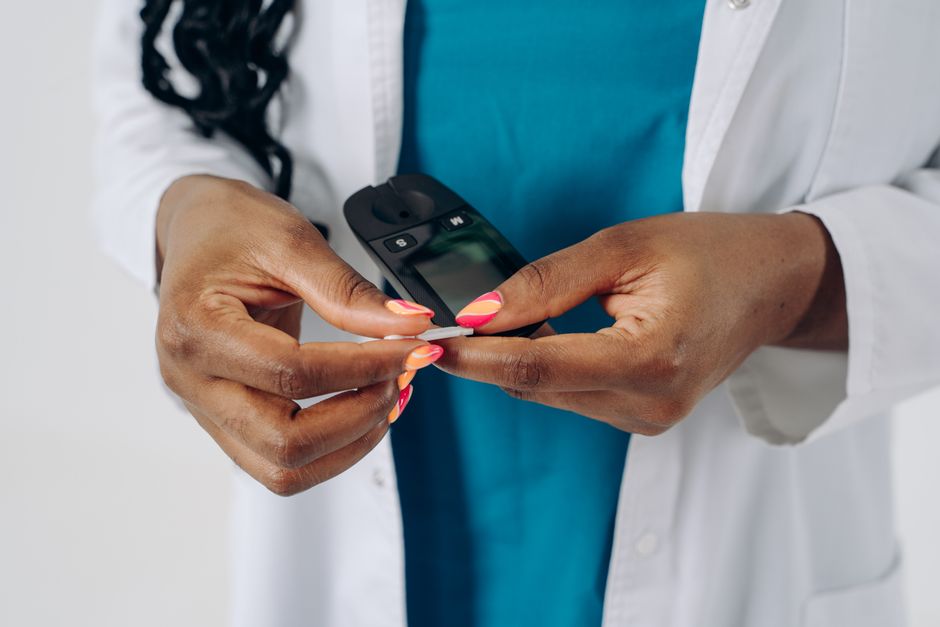
Point-of-care testing is also available. Handheld devices can measure hemoglobin from a finger prick in minutes. This is commonly used in emergency rooms, operating rooms, and intensive care units.
The measurement is reported in grams per deciliter, or g/dL. This is the standard unit used in the United States.
What Are the Risks of Blood Transfusions?
Blood transfusions are safer today than ever before. The blood supply is carefully screened for infectious diseases. Still, no medical procedure is without risk.
Common risks include:
- Fever and chills: The most common reaction, usually mild and temporary.
- Allergic reactions: Ranging from hives to rare, severe reactions.
- Transfusion-related acute lung injury (TRALI): A rare but serious condition where fluid builds up in the lungs.
- Circulatory overload: Too much blood volume for the heart to handle, especially in patients with heart failure.
- Iron overload: A concern only for patients who receive many transfusions over time.
These risks are why doctors do not transfuse casually. The benefits must clearly outweigh the risks for each patient.
Can You Raise Hemoglobin Without a Transfusion?
For patients with chronic anemia, treatments other than transfusion may be appropriate. The best approach depends on the cause of the low hemoglobin.
Iron deficiency anemia is the most common cause of low hemoglobin. Oral iron supplements or intravenous iron can raise hemoglobin levels over weeks. This is a slower process than transfusion but avoids the risks.
Vitamin B12 deficiency and folate deficiency also cause anemia. These are treated with supplements, either oral or injectable.
Medications called erythropoiesis-stimulating agents encourage the bone marrow to produce more red blood cells. These are used in specific situations, such as chronic kidney disease or chemotherapy-related anemia.
These treatments take time. They are not appropriate for a patient who needs immediate correction of dangerously low hemoglobin levels.
How Long Does a Transfusion Raise Hemoglobin?
One unit of packed red blood cells typically raises hemoglobin by about 1 g/dL in an average-sized adult. This is a general estimate. The actual increase varies based on the patient’s size, the quality of the blood product, and whether the patient is still losing blood.
Doctors usually check a hemoglobin level after a transfusion to confirm the expected increase. If the level did not rise appropriately, it may indicate ongoing bleeding or another problem.
The effect of a transfusion is temporary. The body constantly breaks down and replaces red blood cells. The underlying cause of the anemia must be addressed to maintain a healthy hemoglobin level over time.
Frequently Asked Questions
Is 7 g/dL always the transfusion threshold?
No. The 7 g/dL threshold applies to stable hospitalized adults without major risk factors. Patients with heart disease, active bleeding, or severe symptoms may need a transfusion at higher levels.
What hemoglobin level is an emergency?
Hemoglobin below 5 g/dL is a critical emergency that requires immediate treatment. Levels between 5 and 7 g/dL are serious and typically require transfusion in most patients.
Can a hemoglobin level of 8 g/dL need a transfusion?
Yes, in certain situations. Patients with active heart disease, ongoing blood loss, or severe symptoms may receive a transfusion at 8 g/dL even though this level is above the standard threshold.
How much does one blood transfusion raise hemoglobin?
One unit of packed red blood cells raises hemoglobin by about 1 g/dL in an average-sized adult. The actual increase varies by patient size and clinical condition.
