
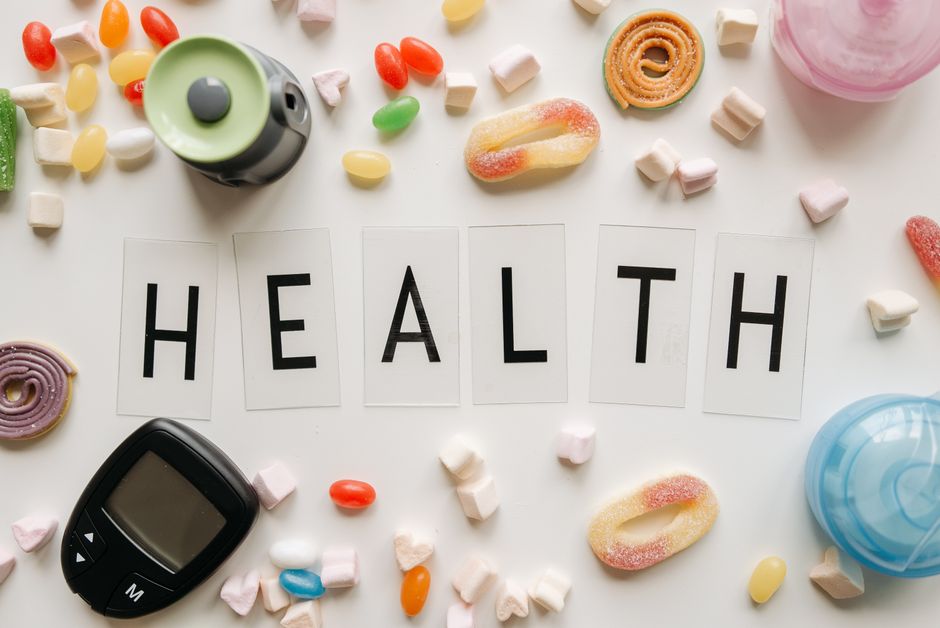
When your blood sugar spikes, you want it down fast. The quickest ways to lower it are drinking water, taking a short walk, and following your prescribed medication plan. These actions work because they help your body use the extra glucose in your bloodstream or dilute it. This article explains exactly what works, what does not, and why some popular advice can actually make things worse.
What Happens When Your Blood Sugar Spikes?
Blood sugar, or glucose, is the main fuel for your body. After you eat, carbohydrates break down into glucose and enter your bloodstream. Your pancreas releases insulin, a hormone that tells your cells to open up and absorb that glucose for energy.
When this system works well, blood sugar returns to a normal range within a couple of hours. When it does not — either because your body makes too little insulin or your cells resist its signal — glucose stays in the blood. That is a spike.
For most people without diabetes, fasting blood sugar runs between 70 and 99 mg/dL. A spike is usually considered anything above 180 mg/dL, though your doctor may set a different target for you. Symptoms of a high spike include thirst, frequent urination, fatigue, and blurred vision.
How To Bring Blood Sugar Down Quickly: What Actually Works
If you have diabetes and your blood sugar is high, the fastest and most reliable way to lower it depends on why it is high. There are three main approaches that work, and they work for different reasons.
Water. Drinking water does not directly burn glucose. It helps your kidneys flush excess sugar out through urine. When you are dehydrated, your blood becomes more concentrated, and your kidneys hold onto glucose instead of excreting it. Drinking a large glass of water can help within a couple of hours.
Physical activity. Muscles use glucose for fuel without needing insulin. A brisk 10 to 15 minute walk after a meal can lower blood sugar noticeably. The effect can last for hours. If you take insulin, check your blood sugar before exercising. If it is above 240 mg/dL and you have ketones in your urine, exercise can actually push it higher. In that case, skip the workout and follow your sick-day plan.
Medication. If you take rapid-acting insulin, a correction dose is the fastest way down. Other diabetes medications work more slowly and are not meant for quick fixes. Never double your dose on your own. If your blood sugar is dangerously high and you are not sure what to do, call your doctor or seek emergency care.
How Fast Can Blood Sugar Drop Naturally?
A short walk can lower blood sugar by about 20 to 30 mg/dL within 30 to 60 minutes. Water works more slowly, over one to three hours. Rapid-acting insulin starts working within 15 minutes and peaks at about one hour.
These numbers are averages. Your response depends on your body weight, how much muscle you have, what you ate, and how severe your insulin resistance is. The key point is that natural methods take time. There is no way to instantly drop blood sugar from 300 to 120. Anyone who promises that is not giving you accurate information.
If your blood sugar is above 300 mg/dL and does not come down after water and activity, contact your healthcare provider. If you experience nausea, vomiting, confusion, or difficulty breathing along with high blood sugar, that is a medical emergency. Go to an emergency room.



What Does Not Work — and What Makes It Worse
Some popular advice for lowering blood sugar is not just unhelpful. It can be dangerous.
- Vinegar. Some studies suggest that vinegar taken before a meal can modestly reduce the post-meal rise. It does not lower an existing spike quickly. Drinking undiluted vinegar can damage your esophagus. The evidence here is mixed at best.
- Cinnamon. Cinnamon has been studied for blood sugar control for years. The results are inconsistent. Some small studies show a small effect on fasting glucose over weeks. No evidence shows it lowers a current spike within minutes or hours.
- Fasting or skipping meals. Skipping your next meal when your blood sugar is high sounds logical, but it can backfire. Your liver releases stored glucose when you go too long without food, which can push blood sugar even higher.
- More insulin. Taking extra insulin without checking your blood sugar first is extremely dangerous. It can cause hypoglycemia — blood sugar that drops too low — which can lead to seizures or unconsciousness.
Supplements that claim to “balance blood sugar” or “support healthy glucose metabolism” are not regulated by the FDA the way medications are. No large clinical trial has confirmed that any over-the-counter supplement can rapidly lower blood sugar. If a product promises a quick fix, treat that claim with serious skepticism.
Why Blood Sugar Stays High Even When You Do Everything Right
Sometimes you drink water, take a walk, and your blood sugar still will not budge. This is frustrating, and it is common. Here is why.
Illness. When you are sick, your body releases stress hormones like cortisol and adrenaline. These hormones tell your liver to release stored glucose to give you energy to fight the infection. That happens even if you are not eating. Blood sugar can run high for days during an illness.
Stress. The same stress hormones fire when you are anxious or overwhelmed. Chronic stress keeps cortisol levels elevated, which keeps blood sugar elevated. This is a well-established physiological pathway.
Sleep deprivation. Poor sleep increases insulin resistance. One night of short sleep can make your cells less responsive to insulin the next day. Over time, this raises your baseline blood sugar.
Timing. If you test within an hour or two of a large meal, your blood sugar may still be rising. The peak typically occurs about 90 minutes after eating, but this varies by meal composition. A high-fat meal can delay the peak by hours.
When To Seek Emergency Care
Very high blood sugar can lead to a serious condition called diabetic ketoacidosis (DKA), most common in type 1 diabetes. It can also lead to hyperosmolar hyperglycemic state (HHS), more common in type 2 diabetes. Both are medical emergencies.
Seek emergency care if you have high blood sugar along with any of these symptoms:
- Nausea or vomiting
- Fruity-smelling breath
- Rapid, deep breathing
- Confusion or difficulty staying awake
- Severe abdominal pain
- Extreme thirst that does not improve
Do not wait to see if it passes. These conditions require IV fluids and insulin in a hospital setting. They develop over hours to days, but once confusion sets in, the situation is urgent.
How To Prevent the Next Spike
Bringing a spike down is reactive. Preventing it is proactive. The most effective prevention strategies are well established and worth repeating.
Eat protein and fiber first. When you eat a meal, the order matters. Eating vegetables and protein before carbohydrates slows the absorption of glucose. This is called meal sequencing, and research consistently shows it reduces the post-meal spike. You do not need to change what you eat — just the order.
Move after meals. A short walk within 30 to 60 minutes after eating helps your muscles use the incoming glucose. Even standing instead of sitting for 10 minutes makes a measurable difference.
Keep a consistent schedule. Eating at roughly the same times each day helps your body anticipate and manage glucose. Irregular meal timing makes spikes harder to predict and control.
Know your numbers. If you have diabetes, testing at consistent times — fasting, before meals, and two hours after meals — gives you the information you need to adjust. If you do not have diabetes but are concerned about your blood sugar, ask your doctor for a fasting glucose test and an A1C test. These are standard, reliable measures.
No single habit will fix everything. Blood sugar management is the sum of many small consistent choices. The good news is that even modest changes — a 10-minute walk, a glass of water, a different order of foods on your plate — add up over time.
Frequently Asked Questions
How long does it take for water to lower blood sugar?
Water helps lower blood sugar over one to three hours by helping your kidneys flush excess glucose out through urine. It works faster if you are dehydrated.
Can walking bring down high blood sugar fast?
A brisk 10 to 15 minute walk can lower blood sugar within 30 to 60 minutes because working muscles use glucose without needing insulin. Do not exercise if your blood sugar is above 240 mg/dL and you have ketones in your urine.
What should I do if my blood sugar will not come down?
If water, activity, and your prescribed medication do not lower your blood sugar within a few hours, contact your healthcare provider. If you have nausea, vomiting, confusion, or difficulty breathing, seek emergency care immediately.
Does cinnamon lower blood sugar quickly?
No. Some small studies show cinnamon may have a modest effect on fasting blood sugar over weeks, but no evidence shows it lowers a current spike quickly. Do not rely on it for an emergency.
