
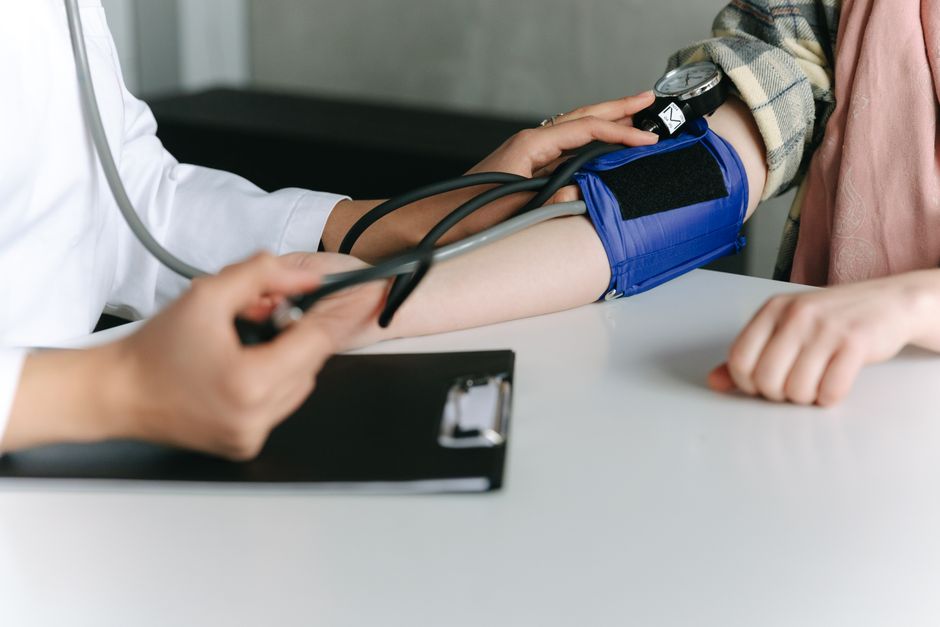
Most people with high blood pressure have no single reason for it. The cause is usually a mix of things working together over years: genetics, age, weight, salt intake, alcohol, stress, sleep problems, and how your blood vessels and kidneys regulate fluid and pressure. In a smaller number of cases, one specific condition — like a kidney disorder or a hormone problem — is the direct cause. That distinction matters, because it changes what can be done about it.
High blood pressure, or hypertension, means the force of blood pushing against your artery walls stays too high over time. For most adults, a reading of 130/80 mm Hg or higher is generally considered high, though diagnosis should come from a clinician using repeated measurements. Doctors divide cases into two broad groups: primary (no single identifiable cause) and secondary (caused by another condition). About 9 in 10 cases fall into the primary group.
What Are The Reasons For High Blood Pressure?
For the large majority of people, there is no one reason. Instead, several factors gradually push blood pressure upward, often without any obvious warning sign.
The core problem usually involves the small arteries and the kidneys. Arteries stiffen with age. The kidneys control how much sodium and water stay in your bloodstream. When these systems drift out of balance, pressure rises.
Key contributors include:
- Genetics. High blood pressure tends to run in families. If a parent has it, your risk is higher.
- Age. Arteries lose flexibility over time. Risk climbs steadily after about age 45 in most people.
- Body weight. Extra weight makes the heart work harder and is strongly linked to higher pressure.
- Sodium intake. For people who are salt-sensitive, a high-sodium diet raises blood pressure.
- Alcohol. Regular heavy drinking raises blood pressure over time.
- Smoking. Tobacco damages blood vessels and temporarily spikes pressure with each use.
- Chronic stress and poor sleep. Both can keep pressure elevated.
- Inactivity. Low physical activity is linked to higher resting blood pressure.
None of these acts alone. They stack. That is why two people with the same salt intake can end up with very different readings.
How Do the Kidneys and Blood Vessels Control Blood Pressure?
Your blood pressure is set by two main forces: how much blood your heart pumps, and how narrow or wide your arteries are.
The kidneys sit at the center of this. They sense sodium and fluid levels and release hormones that either hold onto water or let it go. One key system is the renin-angiotensin-aldosterone system. When the kidneys sense low pressure, they trigger a chain that narrows blood vessels and retains sodium and water — which raises pressure.
In many people with primary hypertension, this system is set too high. The kidneys behave as if the body needs more pressure than it actually does. That is why some blood pressure medications target this exact pathway.
The arteries also play a role. Healthy arteries stretch and relax with each heartbeat. Stiff, narrowed arteries force the heart to push harder. Over years, this creates a feedback loop: higher pressure stiffens arteries further, which raises pressure more.
What Are the Secondary Causes of High Blood Pressure?
In a minority of cases, another condition is directly driving the pressure up. Finding it matters, because treating the underlying problem can sometimes lower blood pressure significantly.
Common secondary causes include:
- Kidney disease. Damaged kidneys regulate fluid and hormones poorly.
- Sleep apnea. Repeated pauses in breathing during sleep stress the cardiovascular system.
- Thyroid problems. Both overactive and underactive thyroid can affect pressure.
- Hormone disorders. Conditions such as primary aldosteronism cause the body to retain too much sodium and water.
- Certain medications. Some decongestants, birth control pills, and anti-inflammatory drugs can raise pressure.
- Illegal stimulants. Cocaine and amphetamines can cause severe spikes.
Secondary hypertension is more likely when blood pressure is very high, appears suddenly, starts before age 30 or after 55, or does not respond to standard treatment. A clinician can look for these clues.

Does Stress or Anxiety Really Raise Blood Pressure?
Yes, but the picture is more nuanced than most people assume.
Short-term stress — a tense meeting, a scare, a rush of anxiety — raises blood pressure temporarily. That is normal and usually passes. The harder question is whether chronic stress causes lasting hypertension.
The evidence here is mixed. Some studies link long-term stress and anxiety to higher blood pressure. Others find the connection weaker once other factors like weight, diet, and sleep are accounted for. What is clearer is that stress influences behavior: it can lead to poor sleep, more alcohol, less exercise, and worse food choices. Those behaviors, in turn, raise pressure.
So stress may not act alone, but it is rarely irrelevant. Managing it is reasonable for overall health even when the direct effect on blood pressure is not fully settled.
Why Does High Blood Pressure Often Have No Symptoms?
High blood pressure is called the “silent killer” for a reason. Most people feel completely normal while their arteries are being damaged.
This is because the body adapts. When pressure rises slowly over years, the body treats that higher level as its new normal. You do not feel the change. Symptoms like headaches, nosebleeds, or dizziness are not reliable signs of high blood pressure — they can happen for many other reasons, and most people with hypertension have none of them.
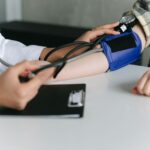
That is why measurement is the only reliable way to know your numbers. A single high reading does not confirm hypertension. Diagnosis usually requires multiple elevated readings over time, sometimes confirmed with at-home monitoring.
What Raises Your Risk Over Time?
Risk factors are not the same as causes, but they overlap heavily. They tell you where the pressure is likely to come from.
The factors with the strongest evidence include:
- Family history of high blood pressure
- Increasing age
- Overweight or obesity
- High sodium intake
- Low potassium intake
- Heavy or regular alcohol use
- Physical inactivity
- Smoking
- Diabetes and chronic kidney disease
Some of these you cannot change, like age and genetics. Others are modifiable. The point of knowing them is not blame — it is that the modifiable ones are where change is possible.
Can High Blood Pressure Be Prevented?
For many people, yes — at least delayed or reduced. But prevention is not guaranteed, and genetics still play a real role.
Steps with the strongest evidence behind them include reducing sodium, eating more potassium-rich foods like fruits and vegetables, staying physically active, keeping alcohol low, not smoking, and maintaining a healthy weight. Getting enough sleep and managing sleep apnea also matter.
No single step works for everyone. And for some people, lifestyle changes alone will not be enough — medication may still be needed. That is not a failure. It reflects how strongly biology can drive this condition.
What is clear is that untreated high blood pressure raises the risk of heart attack, stroke, kidney disease, and vision problems. Treating it — whether through lifestyle, medication, or both — lowers those risks. That part is well established.
When Should You See a Doctor?
If you have not had your blood pressure checked recently, that is the first step. Adults should have it measured regularly, and more often if readings have been elevated.
See a clinician promptly if you get a reading of 180/120 mm Hg or higher. If it comes with chest pain, shortness of breath, vision changes, weakness, or trouble speaking, treat it as an emergency and seek immediate care.
Also talk to a doctor if your blood pressure is hard to control, started suddenly, or began at an unusual age. These can be signs of a secondary cause worth investigating.
Frequently Asked Questions
What is the main reason for high blood pressure?
For most people, there is no single main reason — it results from a combination of genetics, age, weight, diet, and lifestyle over time. In a minority of cases, an underlying condition like kidney disease or sleep apnea is the direct cause.
Can stress alone cause high blood pressure?
Stress can raise blood pressure temporarily, but the evidence that it causes lasting hypertension on its own is mixed. It more often contributes indirectly by affecting sleep, alcohol use, and activity levels.
Does high blood pressure always have symptoms?
No, most people with high blood pressure feel completely normal, which is why it is called the silent killer. Headaches and nosebleeds are not reliable signs, so measurement is the only dependable way to know.
Can high blood pressure be reversed?
Some people can lower their blood pressure through lifestyle changes like reducing sodium, losing weight, and exercising, but not everyone responds enough to avoid medication. Genetics and other factors still play a significant role.
