
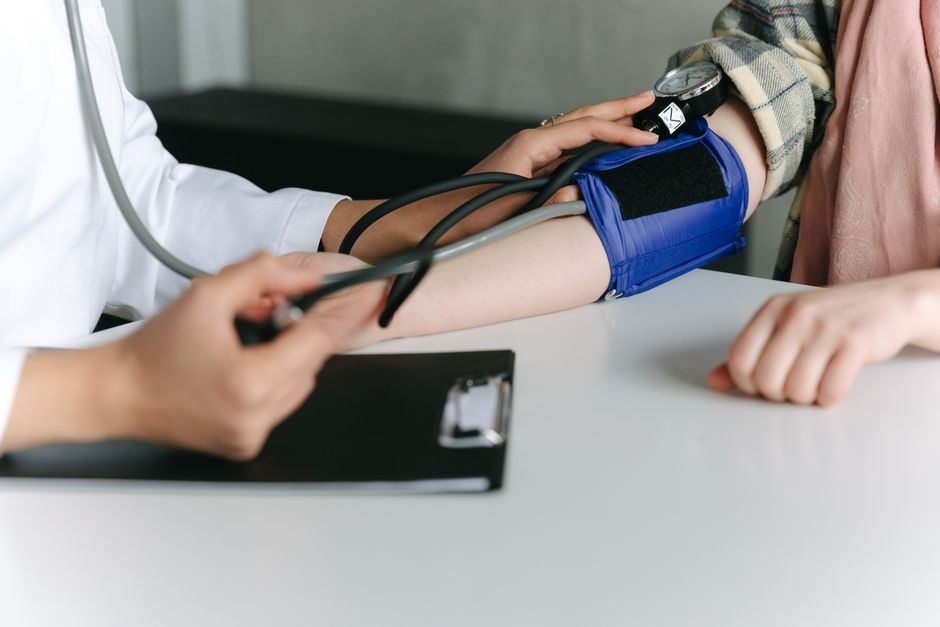
High blood pressure in your 20s usually has a real, identifiable cause — and it is often something you can change. The most common drivers in this age group are excess body weight, a high-salt diet, heavy alcohol use, physical inactivity, poor sleep, and chronic stress. Less often, an underlying medical condition or a medication is responsible. Finding the cause matters, because high blood pressure at 25 is not the same as high blood pressure at 65.
One clarification up front: a single high reading does not mean you have high blood pressure. Diagnosis requires repeated elevated readings over time, ideally confirmed with home monitoring or a 24-hour ambulatory monitor.
What Counts As High Blood Pressure At 25?
The numbers are the same at 25 as at 65. A reading of 120/80 mmHg or higher is above the normal range, and 130/80 mmHg or higher meets the standard definition of hypertension used by major US heart organizations.
Blood pressure is written as two numbers. The top number (systolic) is the pressure in your arteries when your heart beats. The bottom number (diastolic) is the pressure when your heart rests between beats. Both matter.
| Category | Systolic (mmHg) | Diastolic (mmHg) |
|---|---|---|
| Normal | Less than 120 | Less than 80 |
| Elevated | 120–129 | Less than 80 |
| Stage 1 hypertension | 130–139 | 80–89 |
| Stage 2 hypertension | 140 or higher | 90 or higher |
These are the standard categories used in US clinical practice. A reading in the stage 2 range, or a very high reading with symptoms like chest pain, severe headache, or shortness of breath, needs medical attention promptly rather than a wait-and-see approach.
White coat hypertension is real and common in young adults. Anxiety about a doctor’s office can push readings up temporarily. That is exactly why home readings and repeat measurements matter before anyone labels you hypertensive.
Why Do I Have High Blood Pressure In My 20S? Root Causes
When a person in their 20s has genuinely elevated blood pressure, the causes fall into two broad groups: lifestyle and secondary. Lifestyle causes are far more common. Secondary causes — meaning high blood pressure caused by another medical condition — are more likely in young people than in older adults, which is why a doctor may look for them.
Lifestyle causes
- Excess body weight. Higher body fat, especially around the abdomen, is one of the strongest drivers of elevated blood pressure in young adults. Even modest weight gain raises readings in people who are sensitive to it.
- High sodium intake. Most sodium comes from packaged and restaurant food, not the salt shaker. High sodium causes the body to retain fluid, which raises blood pressure in salt-sensitive people.
- Heavy or regular alcohol use. Alcohol raises blood pressure, and the effect is dose-related. Binge drinking can push readings up sharply.
- Physical inactivity. Regular aerobic activity helps keep blood vessels flexible and lowers blood pressure over time. A sedentary routine works against that.
- Poor sleep and sleep apnea. Short sleep and untreated obstructive sleep apnea are linked to higher blood pressure. Sleep apnea is more common in people with excess weight and is often missed in young adults.
- Chronic stress and stimulants. Ongoing stress, heavy caffeine, and stimulant medications or drugs (including some decongestants and recreational stimulants) can raise readings.
- Smoking and vaping. Nicotine raises blood pressure acutely and damages blood vessels over time.
Secondary causes
Secondary hypertension means another condition is driving the blood pressure up. These are less common than lifestyle causes but more likely in a young person than in an older one, so a doctor may test for them — especially if readings are very high, hard to control, or come with other symptoms.
- Kidney disease. The kidneys regulate blood pressure closely, and kidney problems are one of the more common secondary causes.
- Primary aldosteronism. A hormone imbalance involving the adrenal glands that raises blood pressure. It is more common than once thought and often underdiagnosed.
- Thyroid disease. Both overactive and underactive thyroid can affect blood pressure.
- Renal artery narrowing. A narrowed artery to the kidney can trigger high blood pressure, particularly in younger people.
- Medications and substances. Some prescription drugs, decongestants, hormonal contraceptives, and stimulants can raise blood pressure.
If your readings are consistently high and lifestyle changes aren’t moving them, asking your doctor whether secondary causes should be checked is reasonable. This is not overkill in your 20s — it is appropriate.
Does High Blood Pressure In Your 20s Cause Symptoms?
Usually not. High blood pressure is called the “silent killer” for a reason: it typically causes no symptoms until it is severe or has done damage over time. Most people in their 20s find out through a routine checkup, not because they felt something.
When symptoms do appear — headaches, nosebleeds, blurred vision, shortness of breath — they tend to show up with markedly high readings. Relying on how you feel to judge your blood pressure is unreliable. Measuring is the only way to know.
This is the part many young adults get wrong. Feeling fine is not evidence that your blood pressure is fine. A normal-feeling 27-year-old can have a reading of 145/95 without noticing anything.





Why Does High Blood Pressure In Your 20s Matter More Than You Think?
Years of exposure add up. The damage from high blood pressure — to the heart, kidneys, brain, and blood vessels — builds over time. Someone whose blood pressure runs high through their 20s and 30s accumulates more of that exposure than someone whose pressure rises later in life.
That does not mean a diagnosis in your 20s is a life sentence. It means the earlier you address it, the more you have to gain. Young adults tend to respond well to lifestyle changes, and early action can prevent or delay complications that would otherwise develop decades later.
What Actually Lowers Blood Pressure In Your 20s?
The same fundamentals that prevent high blood pressure also treat it. For many young adults with stage 1 hypertension and no other major risk factors, lifestyle changes alone can bring readings down. Some clinicians will recommend a period of lifestyle change before adding medication, depending on how high the numbers are and what other risk factors are present.
- Lose excess weight if you have it. Weight loss is one of the most effective non-drug ways to lower blood pressure in people carrying extra weight.
- Cut sodium. Reducing sodium intake lowers blood pressure in many people. Reading labels on packaged foods matters more than skipping the salt shaker.
- Move regularly. Regular aerobic activity — brisk walking, cycling, swimming — helps lower blood pressure over weeks to months.
- Limit alcohol. Reducing intake lowers blood pressure in people who drink heavily.
- Improve sleep. Treating sleep apnea, if present, can meaningfully lower blood pressure.
- Stop smoking and avoid stimulants that raise pressure.
The exact combination that works for you depends on which causes apply to you. A doctor can help you prioritize. The evidence is strongest for weight loss, sodium reduction, physical activity, and alcohol reduction as blood-pressure-lowering strategies — these are well established, not marketing claims.
What the evidence does not support is the idea that a single supplement or “detox” fixes high blood pressure. No supplement has been shown to reliably replace the fundamentals above, and some marketed for blood pressure have weak or absent clinical support.
When Should You See A Doctor?
See a doctor if you have repeated readings of 130/80 mmHg or higher, or any single reading in the stage 2 range. If a reading is very high — for example, 180/120 mmHg or above — and comes with symptoms like chest pain, severe headache, vision changes, or shortness of breath, seek emergency care.
Even without symptoms, a confirmed pattern of elevated readings deserves a conversation. High blood pressure in your 20s is common enough that it should be taken seriously, and young enough that early changes can make a real difference to your long-term health.
Frequently Asked Questions
Can a 25-year-old have high blood pressure?
Yes. High blood pressure is increasingly common in young adults, largely driven by excess weight, high sodium intake, inactivity, and alcohol use. It is not a condition limited to older people.
What is the most common cause of high blood pressure in your 20s?
Lifestyle factors — particularly excess body weight, a high-salt diet, and physical inactivity — are the most common drivers in this age group. Secondary causes like kidney or hormone problems are less common but more likely than in older adults, so testing may be appropriate.
Can high blood pressure in your 20s be reversed?
For many young adults, especially those whose high blood pressure is driven by lifestyle factors, readings can be lowered with weight loss, sodium reduction, physical activity, and reduced alcohol intake. Whether it fully normalizes depends on the individual cause and how long it has been present.
Should I worry about one high blood pressure reading?
No. A single elevated reading can reflect stress, recent caffeine, or measurement error, and diagnosis requires repeated readings over time. Persistent elevation across multiple readings is what warrants a medical conversation.
