
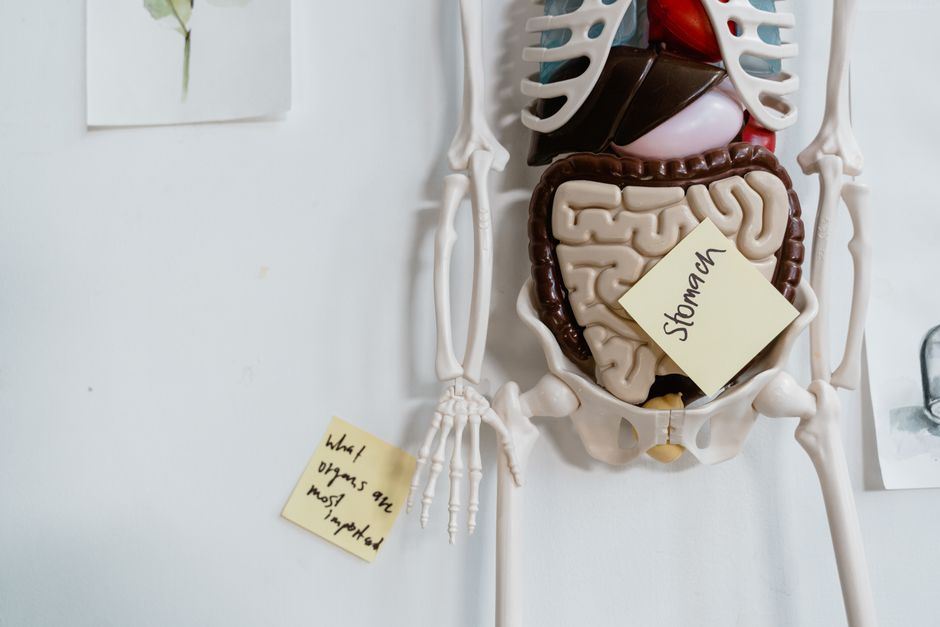
The digestive system is often described as a single long tube, but it is actually a coordinated team of distinct organs. Most medical sources count nine main organs in the digestive system, though the total can reach ten or more depending on how you count supporting structures. These organs work together to break down food, absorb nutrients, and eliminate waste.
What Counts as an Organ in the Digestive System?
An organ is a structure made of two or more tissue types that works together to perform a specific job. In the digestive system, the main organs form a continuous pathway from mouth to anus. This pathway is called the gastrointestinal tract, or GI tract.
The question of how many organs are in the digestive system depends on whether you include only the primary digestive organs or also the accessory organs that help with digestion. Most anatomy textbooks list the same core set of organs, but some include additional structures that play supporting roles.
The 9 Main Organs of the Digestive System
The nine organs most commonly counted as part of the digestive system are the mouth, esophagus, stomach, small intestine, large intestine, rectum, anus, liver, and pancreas. Each one has a specific job in the digestive process.
- Mouth — Chewing breaks food into smaller pieces while saliva begins breaking down carbohydrates.
- Esophagus — This muscular tube moves food from the throat to the stomach using wave-like contractions called peristalsis.
- Stomach — Strong acid and enzymes break down proteins and kill many bacteria in food.
- Small intestine — Most nutrient absorption happens here. It is about 20 feet long in adults.
- Large intestine — This organ absorbs water and electrolytes from remaining food matter.
- Rectum — Stores stool until it is ready to leave the body.
- Anus — The opening through which stool exits the body.
- Liver — Produces bile, which helps break down fats. It also processes nutrients absorbed from the intestines.
- Pancreas — Releases digestive enzymes into the small intestine and produces insulin to regulate blood sugar.
The gallbladder is sometimes included in this count as a tenth organ. It stores and concentrates bile from the liver. Some anatomy references count it as a digestive organ, while others classify it as an accessory structure.
Accessory Organs vs. Primary Digestive Organs
Primary digestive organs are those that food actually passes through. These include the mouth, esophagus, stomach, small intestine, large intestine, rectum, and anus. That makes seven primary organs that food travels through directly.
Accessory organs help with digestion but food does not pass through them. The liver, pancreas, and gallbladder fall into this category. They produce or store substances that are released into the digestive tract to help break down food.
Some sources also mention the salivary glands as accessory digestive organs. The tongue and teeth help with mechanical digestion but are not always classified as digestive organs in standard anatomical counts.
The distinction matters because different textbooks and medical references use different counting methods. A doctor might say there are seven digestive organs in the GI tract proper, while another might say nine or ten when including accessory organs.


How the Digestive Organs Work Together
Digestion begins before food even reaches your mouth. The sight or smell of food triggers saliva production. Once food enters the mouth, mechanical and chemical digestion happen simultaneously.
After swallowing, food moves through the esophagus in about 2 to 3 seconds. The stomach holds food for 2 to 4 hours, mixing it with acid and enzymes. The resulting mixture, called chyme, moves into the small intestine in small amounts.
The small intestine is where most of the real work happens. Its inner surface has tiny finger-like projections called villi that dramatically increase surface area for absorption. Nutrients pass through the intestinal wall into the bloodstream.
The liver and pancreas release their digestive juices into the small intestine through connecting ducts. Bile from the liver breaks down fat into smaller droplets. Pancreatic enzymes break down proteins, carbohydrates, and fats.
Whatever remains after the small intestine finishes its work moves into the large intestine. This organ is about 5 feet long and is home to trillions of bacteria that help with fermentation of undigested fiber. Water is absorbed here, turning liquid waste into formed stool.
Why the Small Intestine Is So Important
The small intestine is the longest part of the digestive tract, measuring roughly 20 feet in adults. Its name comes from its narrow diameter, not its length. It has three sections: the duodenum, jejunum, and ileum.
The duodenum is the first section and receives digestive juices from the liver and pancreas. Most chemical digestion occurs here. The jejunum and ileum handle most nutrient absorption.
If the small intestine were a flat tube, it would have about the surface area of a studio apartment. The villi and even smaller microvilli multiply its surface area to roughly the size of a tennis court. This massive surface area allows efficient absorption of nutrients from food.
Conditions that damage the small intestine’s lining, such as celiac disease, can cause serious nutrient deficiencies. This shows how critical this organ is to overall health.
Common Misconceptions About Digestive Organs
Many people believe the stomach is the main site of digestion. In reality, the stomach primarily handles protein breakdown and food storage. Most digestion and nearly all nutrient absorption happen in the small intestine.
Another common misconception is that the large intestine is where nutrients are absorbed. The large intestine mainly absorbs water and electrolytes. It also absorbs some vitamins produced by gut bacteria, particularly vitamin K and certain B vitamins.
Some people think the liver is only involved in filtering toxins. The liver actually performs over 500 functions, including producing bile, storing glucose, making blood proteins, and processing medications. Its role in digestion is significant but only one part of its many jobs.
The appendix is sometimes counted as a digestive organ, but most experts classify it as part of the lymphatic system. Research suggests it may serve as a reservoir for beneficial gut bacteria, but it is not essential for digestion. People can live normally without it.
What Happens When Digestive Organs Malfunction
Each digestive organ can develop its own set of problems. Acid reflux affects the esophagus and stomach. Gallstones affect the gallbladder. Pancreatitis is inflammation of the pancreas. Liver disease can range from fatty liver to cirrhosis.
Because the organs work as a coordinated system, problems in one area often affect others. For example, gallstones can block the bile duct, preventing bile from reaching the small intestine. This can cause fat malabsorption and jaundice.
Digestive symptoms like bloating, abdominal pain, constipation, or diarrhea can have many causes. Some are minor and temporary. Others signal serious conditions that require medical evaluation.
If you experience persistent digestive symptoms, see a healthcare provider. They can determine whether the issue involves one specific organ or the system as a whole. Do not assume digestive symptoms are always harmless.
Frequently Asked Questions
How many organs are in the digestive system?
Most medical sources count nine main organs: the mouth, esophagus, stomach, small intestine, large intestine, rectum, anus, liver, and pancreas. Some counts include the gallbladder as a tenth organ.
What are the accessory organs of the digestive system?
The liver, pancreas, and gallbladder are the accessory digestive organs. They produce or store substances that help digestion, but food does not pass through them.
Is the gallbladder part of the digestive system?
Yes, the gallbladder is considered a digestive organ because it stores and concentrates bile for fat digestion. Some references classify it as an accessory organ rather than a primary one.
Which organ absorbs the most nutrients?
The small intestine absorbs the vast majority of nutrients from food. Its inner surface has tiny projections called villi that greatly increase its absorptive surface area.
