
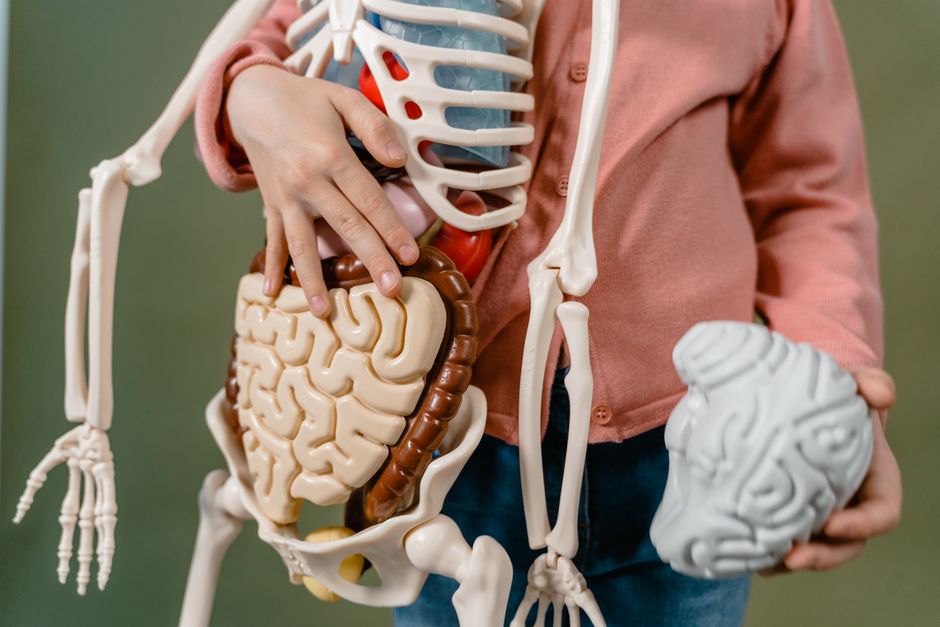
Your digestive system does not need a cleanse to work. It already has built-in systems that remove waste and toxins every day. The liver, kidneys, and colon handle this job around the clock. What you can do is support those natural processes with consistent habits like eating enough fiber, drinking water, and moving your body. The idea of a “cleanse” or “detox” that flushes out built-up waste is not supported by medical evidence. Your body is not storing toxins in your intestines waiting for a special product to release them.
What Actually Happens During Digestion
Digestion starts in your mouth and ends in your large intestine. Food moves through your stomach and small intestine, where nutrients are absorbed into your bloodstream. What remains — mostly fiber, water, and dead cells — moves into the large intestine. The colon absorbs water and electrolytes from this leftover material. It then forms stool and pushes it out through muscle contractions.
This process is continuous. Your colon does not hold onto waste for days or weeks. In healthy people, food takes about 24 to 72 hours to travel through the entire digestive tract. That time frame is normal and varies from person to person. If you are having a bowel movement anywhere from three times a week to three times a day, that falls within a normal range.
Why “Colon Cleanses” Are Not Necessary
Colon cleansing is a procedure that flushes the large intestine with water, sometimes mixed with herbs or coffee. It is sometimes done before a medical procedure like a colonoscopy. That is a legitimate medical use. But using colon cleansing as a routine health practice is not supported by evidence.
Some research suggests that repeated colon cleansing may cause harm. Potential risks include dehydration, electrolyte imbalances, and damage to the intestinal lining. In rare cases, it has been linked to serious complications. Your colon does not need to be flushed. It sheds its lining cells regularly and maintains a healthy environment on its own.
How Can I Clean My Digestive System the Safe Way
If you want to clean your digestive system, the safest approach is to support what your body already does. There is no special tea, juice, or supplement that will do this better than your body does naturally. What works is consistent, everyday nutrition and lifestyle habits.
Fiber is the most important nutrient for digestive health. It adds bulk to stool and helps it move through the colon. Adults should aim for about 25 to 38 grams of fiber per day from food. Good sources include beans, lentils, oats, fruits, vegetables, and whole grains. If you are not used to eating much fiber, increase it gradually over a few weeks. A sudden jump can cause bloating and gas.
Water is just as important. Fiber needs water to do its job. Without enough fluid, fiber can actually make constipation worse. Aim for enough water that your urine is light yellow. For most people, that means drinking when you are thirsty and with meals.


Foods That Support a Healthy Digestive System
Some foods actively support digestion by feeding the good bacteria in your gut. These bacteria break down fiber into short-chain fatty acids, which provide energy for the cells lining your colon. This process is well established in research.
Fermented foods contain live bacteria that can add to the microbial community in your gut. Yogurt with live cultures, kefir, sauerkraut, and kimchi are common examples. Some studies suggest these foods may improve digestion and reduce symptoms like bloating. The evidence is strongest for yogurt and kefir.
Prebiotics are types of fiber that feed beneficial gut bacteria. Garlic, onions, bananas, oats, and apples are natural sources. You do not need a prebiotic supplement. Whole foods provide these compounds alongside other nutrients.
What to Avoid for Better Digestion
Highly processed foods are low in fiber and can slow digestion. Diets heavy in red meat, fried foods, and refined carbohydrates are consistently linked to poorer digestive health in research. You do not need to eliminate these foods completely. Reducing them and replacing them with fiber-rich options is enough to make a difference.
Artificial sweeteners are worth paying attention to. Some sugar alcohols, like sorbitol and mannitol, are poorly absorbed in the small intestine. They draw water into the colon and can cause diarrhea or bloating in sensitive people. This effect is well documented. If you notice digestive discomfort after eating sugar-free gum or diet foods, check the ingredient list for these sweeteners.
Exercise and Digestive Motility
Physical activity helps move food through your digestive tract. Studies have found that regular exercise is associated with a lower risk of constipation. The exact mechanism is not fully understood, but movement appears to stimulate the natural contractions of the colon.
You do not need intense workouts. A daily walk of 20 to 30 minutes is enough to support digestion for most people. The effect is cumulative. Consistent activity matters more than occasional intense exercise.
When Constipation Is a Real Problem
Constipation is defined as fewer than three bowel movements per week, with hard, dry, or painful stools. Occasional constipation is common and usually responds to increased fiber, water, and activity. If these changes do not help within a few weeks, talk to a healthcare provider.
Laxatives are available over the counter and can be used short-term. Bulk-forming laxatives like psyllium are generally considered safe for regular use. Stimulant laxatives are meant for occasional use only. Using them too often can make your colon dependent on them. If you find yourself needing laxatives regularly, that is a reason to see a doctor.
Signs You Should See a Doctor
Most digestive symptoms are temporary and not serious. But some symptoms warrant medical attention. Blood in your stool, unexplained weight loss, severe abdominal pain, or a change in bowel habits that lasts more than a few weeks should be evaluated by a healthcare provider.
These symptoms can indicate conditions that need treatment, such as inflammatory bowel disease, celiac disease, or colorectal cancer. Do not assume a cleanse will fix them. Early evaluation matters for these conditions.
Frequently Asked Questions
How often should I have a bowel movement?
Anywhere from three times a week to three times a day is normal. What matters more is consistency and whether your stool is easy to pass.
Do detox teas help clean the digestive system?
No clinical evidence confirms that detox teas cleanse the digestive system. Many contain laxative herbs that cause water loss and temporary bowel movements, not actual cleansing.
Can I clean my digestive system with a juice cleanse?
Juice cleanses do not clean the digestive system and are not supported by medical evidence. They are low in fiber and protein, and any weight loss is mostly water, not waste.
What is the fastest way to relieve constipation?
Drinking water, eating a high-fiber meal, and taking a short walk can help. If you need faster relief, a bulk-forming laxative like psyllium is a reasonable short-term option.
