
Digestion is how your body turns the food you eat into fuel and building blocks it can actually use. It starts the moment food touches your tongue and continues until waste leaves your body. The process involves a coordinated series of physical and chemical steps that break down food into nutrients your cells can absorb. Understanding these steps helps you make better choices about what and how you eat.
What Are the Main Steps of the Digestive Processes?
Digestion has six main stages that work together in a specific order. The mouth starts the process by chewing food into smaller pieces and mixing it with saliva. Saliva contains an enzyme called amylase that begins breaking down starches into simple sugars.
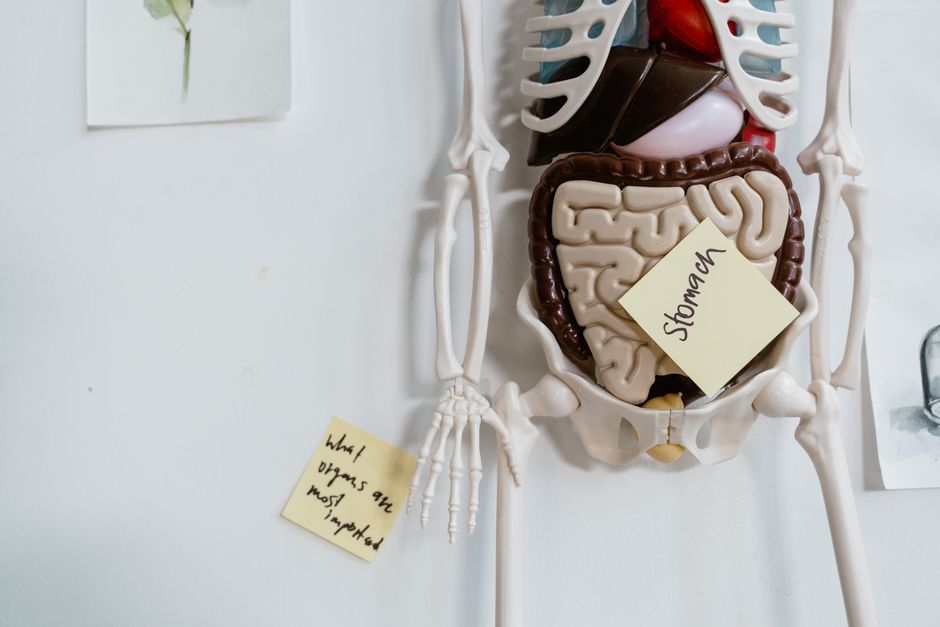
After swallowing, food travels down the esophagus into the stomach through a muscular tube. The stomach churns the food and mixes it with strong gastric acid and enzymes that break down proteins. This creates a semi-liquid mixture called chyme.
The small intestine is where most digestion and absorption actually happen. The pancreas releases enzymes that break down fats, proteins, and carbohydrates. The liver produces bile that helps digest fats. The lining of the small intestine absorbs nutrients into the bloodstream. What remains moves to the large intestine where water is absorbed and stool forms before leaving the body.
How Long Does the Entire Digestive Process Take?
Total digestion time varies by person and by what you eat. The Cleveland Clinic reports that food typically takes about 6 to 8 hours to pass through your stomach and small intestine. Then it takes another 24 to 36 hours to move through the large intestine.
Fiber-rich foods like vegetables and whole grains move faster through the system. High-fat meals and large amounts of red meat slow digestion down significantly. This is why you feel full longer after a heavy steak dinner compared to a salad.
Individual factors matter too. Age, stress levels, medications, and overall gut health all affect transit time. Some people naturally digest food in 24 hours while others take closer to 72 hours. Both can be normal.
What Role Do Enzymes Play in Digestive Processes?
Digestive enzymes are the workers that actually break food down into absorbable pieces. Your body produces them in the salivary glands, stomach, pancreas, and small intestine. Each enzyme targets a specific type of nutrient.
Amylase breaks down carbohydrates. Protease breaks down proteins. Lipase breaks down fats. Without these enzymes, your body cannot extract nutrients from food no matter how healthy your diet is.
The pancreas is the main enzyme factory. It produces about 1.5 liters of enzyme-rich fluid every day. Research published in the journal Nature Reviews Gastroenterology & Hepatology confirms that pancreatic enzyme insufficiency affects up to 10% of the general population, causing bloating, gas, and undigested food in stool.
Some people take over-the-counter enzyme supplements for digestive discomfort. The evidence for these supplements is mixed. They can help people with diagnosed enzyme deficiencies but do little for healthy individuals with normal digestion.




What Happens in the Small Intestine During Digestion?
The small intestine is the longest part of the digestive tract at about 20 feet. It has three sections: the duodenum, jejunum, and ileum. Each section has a specific job in breaking down and absorbing nutrients.
The duodenum is where most chemical digestion occurs. Bile from the liver enters here to emulsify fats. Pancreatic enzymes flood in to break down everything else. The walls of the small intestine are lined with tiny finger-like projections called villi that increase surface area for absorption.
Nutrients pass through the villi into the bloodstream and lymphatic system. Carbohydrates and proteins enter blood directly. Fats take a different route through the lymphatic system before reaching the bloodstream. The small intestine absorbs about 90% of all nutrients from food.
Research from the National Institute of Diabetes and Digestive and Kidney Diseases shows that damage to the villi, such as in celiac disease, can severely impair nutrient absorption. This is why people with untreated celiac disease often become malnourished even when eating enough food.
What Does the Large Intestine Do in Digestion?
The large intestine, also called the colon, is about 5 feet long. Its main job is not digestion but water recovery. By the time food reaches the colon, most nutrients have already been absorbed. The colon absorbs water and electrolytes from the remaining material.
The colon also hosts trillions of bacteria that make up your gut microbiome. These bacteria ferment undigested fiber and produce short-chain fatty acids that feed colon cells. Some evidence suggests these fatty acids reduce inflammation and support immune function.
The colon compacts the remaining waste into stool. Muscles in the colon wall move stool toward the rectum through wave-like contractions called peristalsis. When the rectum fills, nerve signals tell your brain it is time to have a bowel movement.
Fiber is crucial for colon health. Soluble fiber dissolves in water and helps soften stool. Insoluble fiber adds bulk and helps waste move through faster. The American Gastroenterological Association recommends 25 to 35 grams of fiber per day for adults.
| Organ | Primary Function | Key Secretions |
|---|---|---|
| Mouth | Mechanical breakdown, starch digestion begins | Saliva, amylase |
| Stomach | Protein digestion, food mixing | Gastric acid, pepsin |
| Small intestine | Nutrient absorption, most digestion | Pancreatic enzymes, bile |
| Large intestine | Water absorption, waste compaction | Mucus, gut bacteria |
| Liver | Bile production, nutrient processing | Bile |
| Pancreas | Enzyme and hormone production | Digestive enzymes, insulin |
What Factors Disrupt Normal Digestive Processes?
Several common factors can interfere with healthy digestion. Stress is one of the biggest. The brain and gut are directly connected through the vagus nerve. Stress signals can slow or speed up digestion, cause cramping, and alter gut bacteria composition.
Diet quality matters enormously. Diets low in fiber and high in processed foods slow transit time and feed harmful bacteria. The CDC reports that only about 5% of American adults get enough fiber daily. Dehydration also slows digestion because the colon pulls water from stool, making it hard and difficult to pass.
Medications affect digestion too. Antibiotics kill gut bacteria, sometimes causing diarrhea. Opioid painkillers slow intestinal movement and cause severe constipation. Antacids reduce stomach acid, which can impair protein digestion and allow bacteria to survive in the stomach.
Medical conditions that disrupt digestion include:
- Irritable bowel syndrome affects 10 to 15% of people worldwide
- Gastroesophageal reflux disease causes acid to flow backward into the esophagus
- Inflammatory bowel diseases like Crohn’s and ulcerative colitis damage intestinal tissue
- Pancreatic insufficiency reduces enzyme production
- Celiac disease damages villi when gluten is eaten
What Are Common Misconceptions About Digestion?
One widespread myth is that digestion happens mostly in the stomach. In reality, the stomach does relatively little absorption. Most digestion and nearly all absorption occur in the small intestine. The stomach mainly breaks proteins apart and kills bacteria with acid.
Another common belief is that eating late at night causes food to sit in your stomach and rot. This is false. The digestive system works around the clock regardless of when you eat. Eating close to bedtime can cause acid reflux because lying down makes it easier for stomach contents to flow back up. But the food digests normally.
Some people believe that detox diets or colon cleanses improve digestion. There is no clinical evidence that these practices provide any benefit. The body has its own detoxification systems in the liver and kidneys. Colon cleanses can actually disrupt gut bacteria and cause electrolyte imbalances.
The idea that spicy foods cause ulcers is also incorrect. The Nobel Prize-winning research by Barry Marshall and Robin Warren showed that the bacterium H. pylori causes most stomach ulcers, not spicy food. Spicy foods can irritate existing ulcers but do not create them.
What Should You Avoid for Better Digestive Health?
Processed foods high in sugar and low in fiber are the biggest dietary offenders. They feed harmful gut bacteria and slow transit time. Artificial sweeteners like sorbitol and xylitol cause gas and diarrhea in many people because the small intestine cannot absorb them fully.
Excessive alcohol irritates the stomach lining and reduces enzyme production from the pancreas. Chronic heavy drinking can lead to pancreatitis, a painful condition where digestive enzymes start digesting the pancreas itself. The National Institutes of Health warns that alcohol-related pancreatitis kills about 1,000 Americans each year.
Nonsteroidal anti-inflammatory drugs like ibuprofen and aspirin damage the stomach lining when used regularly. They reduce the production of protective mucus in the stomach. Long-term use increases the risk of bleeding ulcers.
Eating too fast is a behavioral factor that harms digestion. Chewing less means larger food particles enter the stomach, making it work harder. Swallowing air while eating quickly causes bloating and gas. Slowing down and chewing food thoroughly improves digestion significantly without any diet changes.
Frequently Asked Questions
How long after eating does digestion start?
Digestion starts immediately when food enters your mouth and chewing begins. Saliva enzymes begin breaking down starches within seconds.
Can stress really stop digestion?
Stress does not stop digestion completely but it slows stomach emptying and alters gut movement. This can cause cramping, bloating, or diarrhea.
Does drinking water with meals dilute stomach acid?
No, drinking water does not significantly dilute stomach acid. The stomach maintains a very acidic pH regardless of how much water you drink.
What is the best position for digestion after eating?
Standing or sitting upright is best for digestion. Lying down increases the risk of acid reflux and slows stomach emptying.
