
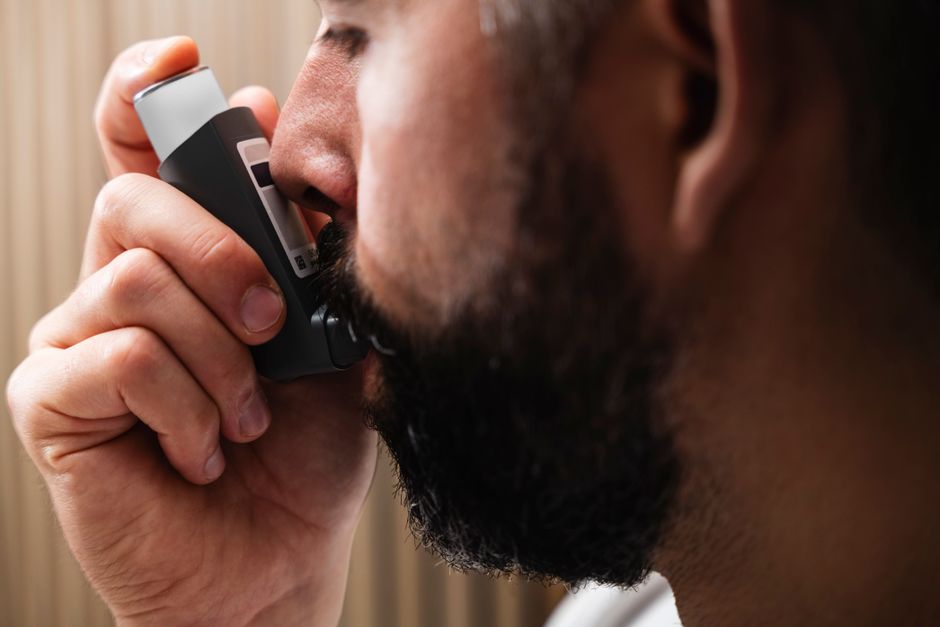
An asthma attack happens when the airways in your lungs narrow, swell, and produce extra mucus, making it hard to breathe. The immediate cause is a trigger that sets off this reaction in already-sensitive airways. Common triggers include allergens like pollen and dust mites, respiratory infections, cold air, exercise, smoke, and strong odors, though the specific triggers vary from person to person.
What Happens Inside the Lungs During an Asthma Attack?
To understand the causes, it helps to know the mechanics. The airways are tubes that carry air in and out of your lungs. In a person with asthma, these tubes are chronically inflamed, meaning they are more sensitive than normal airways.
When you encounter a trigger, three things happen almost at once. The muscles around the airways tighten, a process called bronchoconstriction. The lining of the airways swells. And the cells in the airways produce more mucus than usual. Together, these three changes narrow the space for air to move, which produces the classic symptoms of wheezing, chest tightness, coughing, and shortness of breath.
This response is not random. It is an immune system reaction. In asthma, the immune system overreacts to substances that are normally harmless, treating them like a threat and flooding the area with inflammatory cells.
What Are The Most Common Allergic Triggers?
Allergens are the most frequently identified cause of asthma attacks. When you are allergic to something and breathe it in, your immune system releases immunoglobulin E (IgE), a type of antibody. This antibody signals cells to release histamine and other chemicals, which drive the inflammation and muscle tightening.
Indoor allergens are a major factor for many people. Dust mites, which live in bedding, upholstery, and carpets, are a leading trigger. Cockroach droppings are another significant indoor allergen, particularly in urban environments. Pet dander, which includes tiny flakes of skin and dried saliva, can cause attacks in people allergic to cats or dogs. Mold spores growing in damp areas like bathrooms and basements also qualify as common triggers.
Outdoor allergens play a large role seasonally. Pollen from trees, grasses, and weeds is a classic trigger for seasonal asthma attacks. Ragweed pollen in the fall and grass pollen in late spring are two of the most well-documented culprits in the United States.
Can Respiratory Infections Trigger an Attack?
Yes. Viral respiratory infections are one of the most powerful triggers for asthma attacks, especially in children. The common cold, influenza, and respiratory syncytial virus (RSV) can all cause severe airway inflammation that leads to an attack.
The mechanism is different from allergens. Viruses directly infect the cells lining the airways, causing damage and inflammation. In someone with asthma, this viral inflammation stacks on top of the existing chronic inflammation, pushing the airways over the edge. This is why asthma symptoms often worsen significantly during cold and flu season.
Bacterial infections like sinusitis or bronchitis can also trigger attacks, though they are less common than viral triggers. If you have asthma and develop a respiratory infection, it is important to follow your asthma action plan closely, as you may need to increase your controller medication temporarily.





Why Does Exercise Cause Asthma Symptoms in Some People?
Exercise-induced bronchoconstriction is a distinct trigger that affects up to 90 percent of people with asthma. The cause is not the exercise itself but the change in how you breathe during physical activity.
When you exercise, you breathe faster and mostly through your mouth. This bypasses the nasal passages, which normally warm and humidify the air. The air that reaches your lungs is cooler and drier than usual. This dry, cool air draws moisture from the airway lining and causes the airway temperature to drop. In sensitive airways, this temperature and moisture change triggers the muscles to tighten, leading to symptoms that usually peak about 5 to 15 minutes after you stop exercising.
Certain types of exercise are more likely to trigger symptoms. Running outdoors in cold, dry air is a strong trigger. Swimming in a warm, humid indoor pool is often better tolerated, though chlorine byproducts can be an irritant for some. Using a short-acting bronchodilator about 10 to 15 minutes before exercise is a common and effective prevention strategy, but you should discuss this with your doctor.
What Environmental Irritants Can Cause an Attack?
Not all triggers are allergens. Irritants can cause an attack in people with asthma even if they are not allergic to the substance. These irritants directly damage or irritate the airway lining, triggering the same narrowing response.
Tobacco smoke is the most significant avoidable irritant. Both smoking and secondhand smoke are powerful triggers. Smoke contains thousands of chemicals that irritate the airways and impair the function of the tiny hair-like structures called cilia that help clear mucus. Thirdhand smoke, the residue that clings to clothing and furniture, can also be problematic.
Air pollution is a well-documented trigger. Ozone and particulate matter from vehicle exhaust and industrial emissions can cause asthma attacks, particularly on high-pollution days. This is why many weather apps now include air quality index data, which people with asthma can use to plan their outdoor activities.
Other common irritants include:
- Strong chemical odors from cleaning products, bleach, and perfumes
- Fumes from paint, gasoline, or solvents
- Smoke from wood-burning stoves or fireplaces
- Cold air, which can directly stimulate airway receptors
- Strong food odors, such as frying fish or boiling cabbage
Are There Non-Allergic Triggers Like Stress and Medications?
Yes. Emotional stress is a recognized trigger for asthma attacks. Stress does not cause asthma, but it can worsen symptoms and increase the likelihood of an attack. The exact mechanism involves the nervous system. Stress activates the vagus nerve, which can directly cause the airway muscles to contract. Stress also changes breathing patterns, often leading to rapid, shallow breaths that can provoke airway narrowing.
Strong emotions like laughter, crying, or anger can trigger symptoms for the same neurological reasons. This is not psychological weakness; it is a measurable physiological response.
Certain medications can also trigger asthma attacks. Aspirin and other nonsteroidal anti-inflammatory drugs (NSAIDs) like ibuprofen and naproxen cause symptoms in about 10 percent of adults with asthma. This condition, called aspirin-exacerbated respiratory disease, is more common in people with severe asthma and nasal polyps. Beta-blockers, used for heart conditions and high blood pressure, can also cause airway narrowing and are generally avoided in people with asthma.
Gastroesophageal reflux disease, commonly called GERD, is another trigger. Stomach acid that travels up into the esophagus can irritate the airways, particularly at night. Treating reflux with lifestyle changes or medication sometimes improves asthma control.
How Do You Know What Triggers Your Asthma?
Triggers are highly individual. One person may only react to cat dander and cold air. Another may react to pollen, exercise, and stress. Identifying your personal triggers is the foundation of asthma management.
Keep a symptom diary. Record when symptoms occur, what you were doing, where you were, and what you were exposed to. Over several weeks, patterns often emerge. Allergy testing, either skin prick tests or blood tests, can identify specific allergens you are sensitized to. Your doctor may also recommend a peak flow meter, a small device that measures how well air moves out of your lungs. Using it daily can help you notice early changes before a full attack develops.
Once you know your triggers, avoidance is the most effective strategy. This includes practical steps like using dust-mite-proof covers on pillows and mattresses, keeping pets out of the bedroom, using air conditioning to reduce pollen exposure, and avoiding exercise outdoors on high-pollution days.
What Should You Do When an Attack Starts?
If you feel an attack coming on, act immediately. Take your quick-relief inhaler, usually a short-acting beta-agonist like albuterol, as prescribed. Sit upright rather than lying down. Loosen tight clothing. Try to take slow, steady breaths.
If your symptoms do not improve within 15 to 20 minutes, or if you cannot speak in full sentences, seek emergency medical care. Severe attacks are medical emergencies. Warning signs include bluish lips or fingernails, a rapid pulse, severe chest retractions, and no improvement after using your inhaler.
Every person with asthma should have a written asthma action plan from their doctor. This plan outlines your daily controller medications, what to do when symptoms worsen, and when to seek emergency care. If you do not have one, ask your doctor at your next visit.
Frequently Asked Questions
Can asthma attacks be caused by food allergies?
Food allergies can trigger asthma symptoms, but they are much less common than inhaled triggers. Severe allergic reactions to foods like peanuts, tree nuts, and shellfish can cause airway swelling, which is a medical emergency.
Why do my asthma symptoms get worse at night?
Nighttime worsening is common and often linked to several factors. These include lying down, which changes mucus drainage, increased exposure to dust mites in bedding, and hormonal changes that affect airway muscle tone during sleep.
Can weather changes trigger an asthma attack?
Yes, weather changes can trigger attacks. Cold air is a direct irritant, and rapid changes in temperature or humidity can also stimulate airway narrowing in sensitive individuals.
Is it possible to have asthma and never know the trigger?
Yes, some people have what is called intrinsic asthma, where no specific external trigger is identified. In these cases, infections, stress, or unknown factors drive symptoms, and management focuses on controller medications rather than avoidance.
