
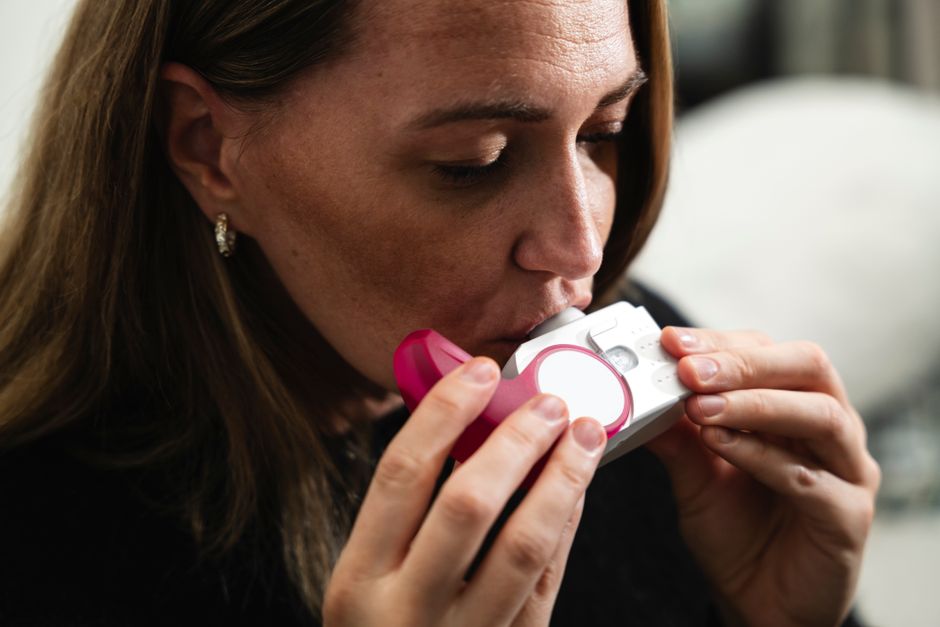
Yes, you can absolutely get asthma for the first time as an adult. It is not just a childhood condition. In fact, adult-onset asthma is a well-documented and common diagnosis. Many people live decades without any breathing issues and then develop symptoms in their 30s, 40s, or much later in life. The condition is real, and it is often triggered by different factors than childhood asthma.
What Is Adult-Onset Asthma?
Adult-onset asthma is simply asthma that is first diagnosed in someone over the age of 20. It is a chronic condition that causes inflammation and narrowing of the airways in the lungs. This makes it harder for air to move in and out, leading to symptoms like wheezing, coughing, chest tightness, and shortness of breath.
The key difference is timing. Childhood asthma often involves allergies and may improve or disappear during the teenage years. Adult-onset asthma is different. It tends to be persistent and often requires long-term management. The symptoms can appear suddenly, or they may build up gradually over months. Some adults experience a sudden, severe attack that leads to their first diagnosis. Others notice a nagging cough that never quite goes away.
What Causes Asthma To Develop In Adults?
The exact cause of adult-onset asthma is not fully understood, but several triggers are strongly linked to its development. It is rarely one single cause. Most often, it is a combination of genetics and environmental exposure.
Hormonal changes can play a role. Women are more likely to develop adult-onset asthma than men. This is especially true around the time of menopause or during pregnancy. Fluctuating estrogen levels appear to influence airway inflammation, though the exact mechanism is still being studied.
Viral respiratory infections are another major trigger. A severe case of influenza, pneumonia, or even a bad cold can damage the airways and set the stage for asthma. Some research suggests that certain viruses can cause long-lasting changes in how the lungs respond to irritants.
Occupational exposures are a significant and often overlooked cause. Adults who work with chemicals, dust, fumes, or animal dander can develop what is called occupational asthma. Bakers, hairdressers, painters, and woodworkers are among those at higher risk. The symptoms may not appear until years after the exposure begins.
Other contributing factors include obesity, acid reflux, and chronic sinusitis. All three are associated with a higher risk of developing asthma in adulthood. Air pollution and smoking can also make the condition more likely, though they are not the sole cause.
Symptoms: How Adult-Onset Asthma Feels
The symptoms of adult-onset asthma are similar to those in children, but they can feel different. Adults often describe a sensation of chest tightness rather than a classic wheeze. This can lead to misdiagnosis as heart disease, anxiety, or simple aging.
Common symptoms include:
- Shortness of breath, especially with exertion
- A persistent cough that is worse at night or early morning
- Wheezing or a whistling sound when breathing
- Chest tightness or pressure
- Frequent respiratory infections that are slow to clear
One important difference is that adults often have lower lung function at the time of diagnosis. This means the disease may be more advanced before it is caught. Adults also tend to experience symptoms more continuously, rather than in distinct attacks separated by symptom-free periods.





How Doctors Diagnose Adult-Onset Asthma
Diagnosis begins with a detailed history and a physical exam. Your doctor will ask about your symptoms, your work environment, and any family history of asthma or allergies. This conversation is important because asthma can be mistaken for other conditions.
The most reliable test is spirometry. You breathe into a machine that measures how much air you can exhale and how fast. The test is done before and after using a bronchodilator, a medication that opens the airways. If your breathing improves significantly after the medication, asthma is likely.
Another common test is the methacholine challenge. You inhale a substance that causes airways to narrow in people with asthma. If your airways constrict, it confirms the diagnosis. This test is useful when spirometry results are normal but symptoms persist.
Doctors may also order a chest X-ray or blood tests. These are not used to confirm asthma directly. They help rule out other conditions like chronic obstructive pulmonary disease (COPD), heart failure, or vocal cord dysfunction. These conditions can mimic asthma, especially in older adults.
Treatment: Managing Asthma That Starts In Adulthood
There is no cure for adult-onset asthma. It is a chronic condition, and treatment focuses on controlling symptoms and preventing flare-ups. The good news is that most people with adult-onset asthma can manage it well with the right plan.
Inhaled corticosteroids are the foundation of daily asthma control. These medications reduce inflammation in the airways over time. They are not rescue medications. They work slowly and must be taken every day, even when you feel fine.
Bronchodilators are used for quick relief. These medications relax the muscles around the airways, providing fast symptom relief during an attack. They are often called rescue inhalers. They do not treat the underlying inflammation.
For people with severe or difficult-to-control asthma, additional treatments exist. These include biologic medications that target specific immune system pathways. These are given by injection or infusion and are reserved for people who do not respond to standard inhaler therapy.
Lifestyle changes matter too. If occupational exposure is the cause, reducing or eliminating that exposure is essential. This may mean changing jobs, using protective equipment, or improving ventilation. Weight management can also improve symptoms for some people. Treating underlying acid reflux or sinusitis can reduce asthma triggers.
Can Adult-Onset Asthma Be Reversed?
No. Adult-onset asthma is a chronic condition that cannot be reversed or cured. However, it can be well-controlled. Many adults with asthma live full, active lives with minimal symptoms when their condition is properly managed.
It is important to understand that asthma can change over time. Your medication needs may shift. You may go through periods where symptoms are minimal and periods where they are more frequent. Regular follow-up with your doctor is essential to adjust treatment as needed.
Untreated adult-onset asthma is not safe. Chronic inflammation can lead to permanent changes in the airway structure, a process called airway remodeling. This can cause a permanent decline in lung function. Early diagnosis and consistent treatment are the best ways to prevent this.
When To Seek Emergency Care
Asthma attacks can be serious, and some require emergency treatment. Seek emergency care immediately if you experience:
- Severe shortness of breath that makes it hard to speak
- Lips or fingernails turning blue or gray
- No relief from your rescue inhaler after 15 to 20 minutes
- Chest pain or pressure that does not go away
Do not wait to see if symptoms improve on their own. Asthma attacks can escalate quickly. Emergency treatment can be life-saving.
Frequently Asked Questions
Can you develop asthma suddenly as an adult?
Yes, adult-onset asthma can appear suddenly, sometimes after a viral infection or significant exposure to an irritant. It can also develop gradually over months without a clear trigger.
Is adult-onset asthma worse than childhood asthma?
Adult-onset asthma is often more persistent and may not respond as well to initial treatment. It is not necessarily “worse,” but it tends to be a lifelong condition and can involve lower lung function at diagnosis.
Can adult asthma go away on its own?
No, adult-onset asthma does not go away on its own. It is a chronic condition, though symptoms can be well-controlled with proper treatment and trigger management.
What is the most common cause of asthma in adults?
There is no single most common cause. Viral respiratory infections, occupational exposures, hormonal changes, and obesity are all strongly linked to adult-onset asthma, and many cases involve multiple factors.
