
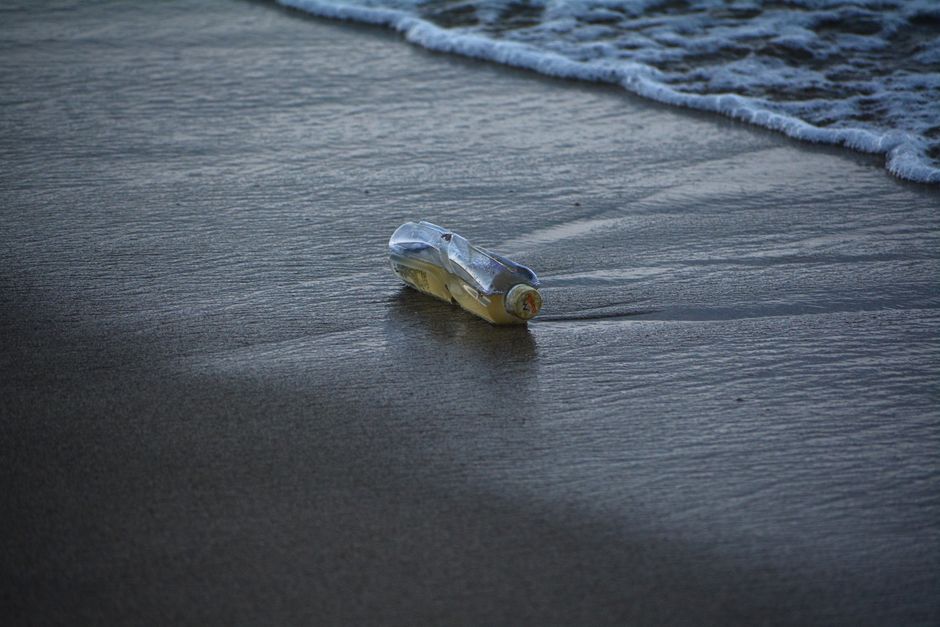
Plastic pollution is not just an eyesore. It is a global health and environmental problem with effects that reach from the deepest ocean trenches to the food on your plate. The effects include harm to wildlife, contamination of the food chain with microplastics, and the release of toxic chemicals into the environment. These particles are now found in human blood, lungs, and placentas, and researchers are actively studying what that means for human health.
How Does Plastic Pollution Harm Wildlife?
The most visible effects of plastic pollution are on animals. Marine animals mistake plastic bags for jellyfish and eat them. Sea turtles often cannot tell the difference between a floating plastic bag and a squid. When animals eat plastic, it can block their digestive systems and cause starvation.
Birds are also affected. Albatross chicks are fed plastic by their parents, who mistake it for food. Studies have found that nearly all seabird species have ingested plastic at some point. Entanglement is another major issue. Fishing nets and six-pack rings trap seals, dolphins, and whales. Animals caught in plastic can drown or suffocate.
This is not limited to the ocean. Land animals and birds also eat plastic waste. The problem is universal because plastic does not break down naturally. It fragments into smaller pieces, but it never truly disappears.
What Are Microplastics and Why Do They Matter?
Microplastics are plastic particles smaller than five millimeters. Some are made small on purpose, like the microbeads once used in toothpaste and face scrubs. Most come from larger items breaking down over time. Sunlight, waves, and wind wear plastic down into smaller and smaller pieces.
Nanoplastics are even smaller. They are less than one micrometer, which is about 100 times smaller than a human hair. These tiny particles can pass through cell membranes. This is why they have been found in human blood, lung tissue, and even placentas.
Research published in environmental science journals confirms microplastics are in drinking water, salt, beer, and seafood. They are everywhere. The question scientists are still working on is not whether we ingest them, but what they do once they are inside us.
What Are The Effects Of Plastic Pollution on Human Health?
This is the question most people want answered, and the honest answer is that the evidence is still emerging. We know microplastics are in the human body. We do not yet know the full range of health consequences.
What researchers are studying is the potential for inflammation. When foreign particles enter tissue, the immune system responds. Some animal studies suggest microplastics can trigger an inflammatory response in the gut. Other research is looking at whether nanoplastics can carry toxic chemicals into cells.
Plastic contains additives. Bisphenol A, commonly known as BPA, and phthalates are used to make plastic flexible or hard. These chemicals are known endocrine disruptors. They can interfere with hormones in the body. The concern is that when plastic breaks down in the body, these additives may be released.
It is important to be clear about what we know and what we do not. No large human trials have confirmed that microplastics cause specific diseases. The evidence is suggestive, not conclusive. Researchers are concerned, but they cannot yet state with certainty that microplastics cause cancer or heart disease in humans.




How Does Plastic Pollution Affect the Environment?
Plastic pollution changes ecosystems. In the ocean, plastic debris can smother coral reefs. It blocks sunlight and prevents oxygen exchange. Coral reefs are already stressed by warming waters, and plastic adds another pressure.
Plastic also acts as a raft for invasive species. Organisms can attach to floating plastic and travel thousands of miles to new environments. This disrupts local ecosystems and can harm native species that have no natural defense against these invaders.
On land, plastic pollution degrades soil quality. It does not decompose like organic waste. It sits in landfills for hundreds of years. Some research suggests microplastics in soil can affect earthworms and other organisms that keep soil healthy.
The chemical effects are also serious. Plastics leach chemicals as they degrade. These chemicals can contaminate groundwater and soil. The long-term effects on plant life and agricultural systems are still being studied.
Are There Chemicals in Plastic That Are Dangerous?
Yes. Plastic is not just carbon and hydrogen. It contains additives that give it specific properties. Flame retardants, plasticizers, and stabilizers are common. Some of these are known to be harmful.
BPA is one of the most studied. It mimics estrogen in the body. Exposure has been linked to developmental issues in fetuses and young children. Many manufacturers have removed BPA from baby bottles and water bottles, but it is still used in many other products.
Phthalates are another concern. They make plastic soft and flexible. They are found in medical tubing, food packaging, and toys. Some phthalates are linked to reproductive problems and hormonal disruption.
Regulatory agencies have set safety limits for these chemicals. The evidence is strong that high exposure is harmful. The debate is about whether the low levels found in everyday life cause measurable harm. Most experts agree that reducing exposure is prudent, especially for pregnant women and children.
How Much Plastic Is Actually in the Ocean?
The numbers are difficult to pin down precisely, but the scale is enormous. Studies estimate that millions of tons of plastic enter the ocean every year. A significant portion comes from rivers that flow through populated areas.
There are five major garbage patches in the world’s oceans. The Great Pacific Garbage Patch is the largest. It is not a solid island of trash. It is a soup of microplastics and larger debris concentrated by ocean currents.
Plastic does not stay where it is dumped. It travels. It has been found in Arctic ice and in the Mariana Trench, the deepest point on Earth. No part of the ocean is untouched.
Can Plastic Pollution Be Cleaned Up?
Cleaning up the ocean is possible but challenging. Most plastic is small and spread across vast areas. Some organizations are developing systems to collect plastic from the surface of the water. These efforts are helpful but cannot solve the problem alone.
The most effective approach is to stop plastic from entering the environment in the first place. This means reducing plastic production, improving waste management, and redesigning products to use less plastic. Recycling helps, but only a small percentage of plastic is actually recycled. Most ends up in landfills or the environment.
Individual actions matter, but they are not sufficient. The scale of the problem requires systemic change. This includes better infrastructure in countries that lack waste collection systems and policies that hold producers responsible for the end-of-life of their products.
What Can You Do to Reduce Your Exposure to Microplastics?
You cannot completely avoid microplastics. They are in the air, water, and food. But you can reduce your exposure.
Avoid heating food in plastic containers. Heat increases the release of chemicals and microplastics. Use glass or ceramic containers for microwaving. Choose stainless steel or glass water bottles instead of plastic ones.
Filter your drinking water. Some water filters are designed to remove microplastics. Look for filters certified to remove particles down to one micron or smaller. This is a practical step that can make a real difference.
Limit processed foods. Research suggests that highly processed foods contain more microplastics than fresh foods. This is because processing and packaging introduce plastic particles. Cooking at home with fresh ingredients reduces exposure.
Vacuum and dust regularly. Microplastics accumulate in household dust. Using a vacuum with a HEPA filter can help. This is especially important if you have young children who spend time on the floor.
Frequently Asked Questions
Are microplastics dangerous to humans?
Research is ongoing, but no large human trials have confirmed that microplastics cause specific diseases. Scientists are concerned about their potential to cause inflammation and carry toxic chemicals into cells.
How do plastics enter the human body?
Plastics enter through ingestion and inhalation. You swallow them in food and water, and you breathe them in from dust and air.
Can boiling water remove microplastics?
Boiling water does not remove microplastics. Some studies suggest that certain filtration systems can remove them, but boiling alone is not effective.
Is BPA-free plastic safe?
BPA-free plastic is safer than plastic containing BPA, but it is not necessarily free of all concerns. Some BPA substitutes, like BPS, may have similar effects on hormones.
