
Fluid retention, also called edema, happens when extra water builds up in your tissues. It often shows up as swelling in the feet, ankles, legs, or hands. You can usually reduce it by moving more, cutting back on salt, and elevating the swollen area. For most people, these simple steps bring relief within a day or two. If swelling is sudden, painful, or comes with chest pain or trouble breathing, that is a medical emergency — call for help right away.
What Causes Fluid Retention?
Your body holds onto fluid for many reasons. Sometimes it is harmless and temporary. Other times it signals an underlying health problem.
Common everyday causes include sitting or standing for long periods, eating a high-salt meal, hormonal changes during the menstrual cycle, pregnancy, and hot weather. Flying in an airplane or taking certain medications can also cause swelling.
More serious causes involve your heart, kidneys, or liver. When the heart pumps weakly, blood can back up and leak fluid into tissues. Kidney disease can make it harder to remove extra sodium and water. Liver disease can change pressure in blood vessels and cause fluid to pool in the abdomen or legs.
Certain medications are known to cause fluid retention. These include some blood pressure drugs, steroids, nonsteroidal anti-inflammatory drugs (NSAIDs) like ibuprofen, and some diabetes medications. If you take one of these and notice swelling, talk to your doctor before stopping anything.
How To Remove Fluid Retention Fast
The fastest way to remove fluid retention depends on the cause. For mild, everyday swelling, these methods work well.
Move your body. Your muscles act as pumps that push fluid back toward your heart. Walking, stretching, or simply flexing your calf muscles every hour can make a visible difference. If you sit at a desk all day, stand up and walk for two minutes every hour.
Elevate the swollen area. Raising your legs above heart level for 15 to 30 minutes helps gravity drain fluid out of the limbs. Lie on your back and prop your legs up on pillows. For hand swelling, raise your arms above your head for a few minutes.
Cut back on salt. Sodium makes your body hold onto water. The American dietary guidelines recommend limiting sodium to less than 2,300 milligrams per day — about one teaspoon of salt. Most people eat far more than this, often from packaged foods and restaurant meals. Read labels and cook more meals at home for a few days.
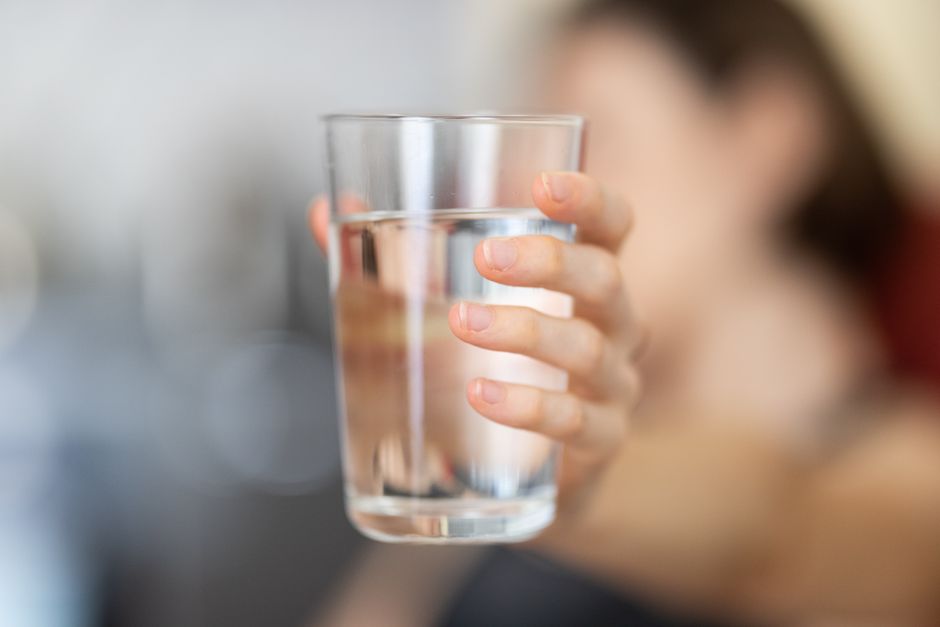
Drink more water. It sounds backwards, but dehydration can actually make your body hold onto fluid. When your body senses low water levels, it releases hormones that signal the kidneys to conserve water. Staying well-hydrated helps your kidneys flush out excess sodium and fluid.
Wear compression stockings. These snug socks or sleeves apply gentle pressure that keeps fluid from pooling in your lower legs. They are widely used for mild swelling and are available over the counter. A healthcare provider can help you choose the right level of compression.
Can Certain Foods Or Supplements Help?
Some foods and drinks have natural diuretic effects — meaning they make you urinate more. However, no food works as powerfully as prescription diuretics, and the evidence for most “water-flushing” foods is limited.
Potassium-rich foods can help balance sodium levels in your body. Bananas, avocados, sweet potatoes, and spinach are good sources. If your potassium is low, your body may hold onto more sodium and water.
Some research suggests that magnesium supplements may reduce premenstrual bloating. One older study found that magnesium combined with vitamin B6 reduced water retention symptoms in women with PMS. The evidence is modest, and magnesium can cause digestive upset in high doses.
Dandelion extract is sometimes promoted as a natural diuretic. Some laboratory studies suggest it has diuretic properties, but no large human trials have confirmed this. If you try it, know that the evidence is weak.
Caffeine is a mild diuretic. Coffee and tea can increase urine output, but the effect is small and temporary. Drinking a cup of coffee will not cure substantial swelling. Also, caffeinated drinks still count toward your daily fluid intake.
No clinical guidelines currently recommend specific foods or supplements as treatments for fluid retention. A balanced diet low in sodium and adequate in potassium is the most sensible approach.





When To See A Doctor
Not all swelling needs medical attention. But some situations require prompt evaluation.
See a doctor if you have swelling that lasts more than a few days, gets worse, or does not improve with elevation and reduced salt. Also seek medical advice if you have swelling in only one leg — this can signal a blood clot, which is serious.
Seek emergency care immediately if swelling comes with chest pain, shortness of breath, dizziness, or confusion. These symptoms can indicate heart failure, a pulmonary embolism, or another life-threatening condition.
If you have known heart, kidney, or liver disease, report any new or worsening swelling to your doctor. They may need to adjust your medications or monitor your fluid status more closely.
Pregnant women should mention any sudden or significant swelling to their obstetric provider. A rapid increase in swelling, especially in the face or hands, can be a sign of preeclampsia — a serious condition that requires monitoring.
Medical Treatments For Fluid Retention
When lifestyle changes are not enough, doctors have several treatment options. The right one depends entirely on the underlying cause.
Diuretics — commonly called water pills — are the most prescribed treatment. These medications tell your kidneys to remove more sodium and water through urine. They are effective but not without risks. Diuretics can deplete potassium, affect kidney function, and cause dizziness from low blood pressure. They are prescription medications and should never be taken without a doctor’s supervision.
Treatment for the underlying condition is often the real fix. For heart failure, medications that improve heart function may reduce swelling. For kidney disease, controlling blood pressure and managing the disease itself can help. For liver disease, dietary changes and specific medications may be needed.
If a medication you take is causing the swelling, your doctor may lower the dose or switch you to an alternative. Never stop a prescription medication on your own without discussing it with your doctor first.
Lifestyle Habits That Prevent Fluid Retention
Preventing fluid retention is often easier than treating it. Small daily habits can keep swelling from starting in the first place.
Keep moving throughout the day. Do not sit or stand in one position for hours. Set a timer to remind yourself to stand, stretch, or walk. This keeps your muscle pumps active and prevents fluid from pooling.
Choose fresh foods over packaged ones. Processed foods are the biggest source of sodium in the typical diet. Bread, deli meat, canned soup, and frozen dinners are surprisingly high in salt. Cooking from whole ingredients gives you control over sodium.
Maintain a healthy weight. Excess body weight increases pressure on your veins and makes it harder for fluid to return to your heart. Weight loss often reduces swelling in the legs and feet.
Stay hydrated consistently. Drink water throughout the day rather than large amounts at once. Your kidneys handle a steady intake better than occasional big volumes.
Wear comfortable shoes. Tight shoes can restrict circulation and worsen foot swelling. Choose shoes with room for your feet to expand, especially in warm weather or on long days of standing.
What Does Not Work
Several popular remedies for fluid retention have little or no evidence behind them.
Detox teas and juice cleanses are marketed as ways to flush out water weight. No clinical evidence confirms that these products remove fluid any better than plain water and a low-sodium diet. Some contain herbal laxatives that can cause dehydration and electrolyte imbalances.
Saunas and sweat suits cause temporary water loss through sweat. This is not true fluid retention removal — you lose water that your body needs, and you will reabsorb fluid as soon as you drink. Sweating does not address the underlying cause of edema.
Epsom salt baths are relaxing but do not pull fluid out of your body. Magnesium is poorly absorbed through the skin, and no clinical trial has shown that these baths reduce edema.
Extreme low-carb diets cause rapid water loss in the first week. This happens because glycogen — stored carbohydrate — binds to water in your muscles. When you eat carbs again, the water comes back. This is not a sustainable treatment for fluid retention.
Be skeptical of any product that promises to “flush” or “detoxify” your body quickly. Your kidneys and liver already do this job effectively when they are healthy.
Frequently Asked Questions
How long does fluid retention last?
Mild fluid retention from diet or inactivity usually resolves within one to two days of reducing salt and moving more. Swelling from an underlying medical condition may last until that condition is treated.
Does drinking more water reduce fluid retention?
Yes, for most people. Adequate water intake helps your kidneys remove excess sodium and fluid, while dehydration can trigger hormone signals that make your body hold onto water.
Can fluid retention be a sign of a serious condition?
Yes. Fluid retention can indicate heart, kidney, or liver disease, especially when it is persistent or severe. Sudden swelling with chest pain or shortness of breath requires emergency medical care.
Are diuretic supplements safe for water weight?
No. Over-the-counter diuretic supplements are not regulated like prescription drugs, and no clinical evidence confirms they work. Prescription diuretics should only be used under a doctor’s supervision because they can cause electrolyte imbalances and kidney problems.
