
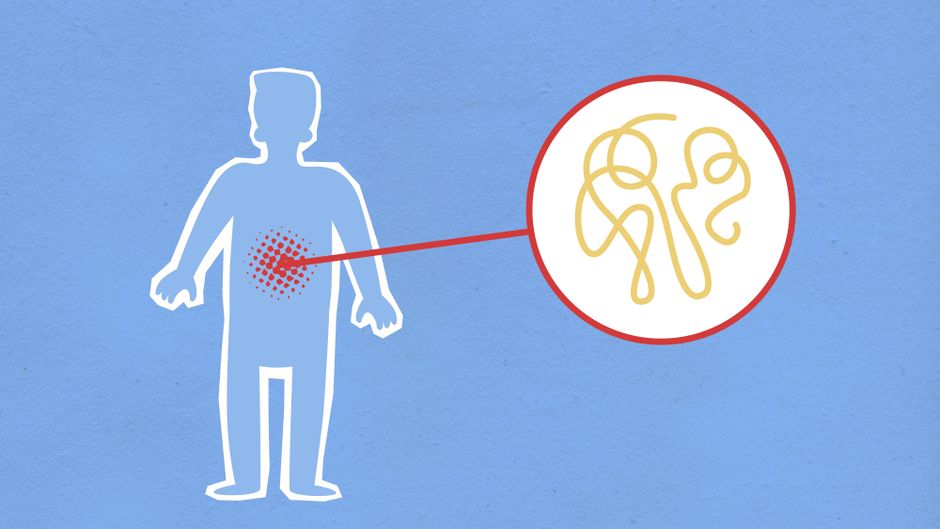
Diseases of the digestive system range from common and mild to serious and lifelong. They include acid reflux, peptic ulcers, gallstones, celiac disease, inflammatory bowel disease, irritable bowel syndrome, and colorectal cancer. Each affects a different part of the digestive tract, and each has its own causes and treatments.
Your digestive tract is a long, continuous tube that starts at the mouth and ends at the anus, with organs like the liver, gallbladder, and pancreas feeding into it along the way. When something goes wrong in any part of that system, symptoms can show up far from the actual problem. That is one reason digestive conditions can be tricky to sort out.
How Does the Digestive System Work?
Digestion begins in the mouth, where chewing and saliva start breaking food down. From there, food moves down the esophagus into the stomach, where acid and enzymes continue the job.
Most nutrient absorption happens in the small intestine, a coiled tube roughly 20 feet long. The large intestine, or colon, absorbs water and forms waste. The liver makes bile, the gallbladder stores it, and the pancreas releases enzymes that break down fats, proteins, and carbohydrates.
A key point that surprises many people: the digestive system has its own nervous system, called the enteric nervous system. It contains hundreds of millions of neurons and can regulate digestion largely on its own, which is why gut function keeps working even without conscious input. This is also why stress and emotions can affect digestion so directly.
What Are Some Diseases of the Digestive System?
Digestive diseases fall into a few broad groups. Some involve acid and the upper tract. Others involve inflammation, the immune system, the liver and gallbladder, or the colon. Here are the most common ones, grouped by where they act.
Acid Reflux and GERD
Gastroesophageal reflux disease (GERD) happens when stomach contents flow back into the esophagus. Occasional reflux is common. GERD is diagnosed when reflux happens frequently or causes complications.
The main symptom is heartburn, a burning feeling behind the breastbone. Chronic GERD can damage the esophageal lining, a condition called esophagitis. Over time, some people develop Barrett’s esophagus, a change in the cells that raises cancer risk and requires monitoring.
Peptic Ulcers
Peptic ulcers are open sores in the lining of the stomach or the first part of the small intestine. Most are caused by infection with Helicobacter pylori bacteria or by long-term use of nonsteroidal anti-inflammatory drugs (NSAIDs) like ibuprofen and aspirin.
The old belief that ulcers come from stress or spicy food was largely wrong. Research in the 1980s established that H. pylori is the leading cause, a finding that changed treatment and earned a Nobel Prize. Ulcers caused by H. pylori are treated with antibiotics plus acid-suppressing medication.
Gallstones
Gallstones are hardened deposits that form in the gallbladder. Many people have them without any symptoms. When a stone blocks a duct, it can cause sharp pain in the upper right abdomen, often after fatty meals.
Gallstones are more common in women, in people over 40, and in those with obesity or rapid weight loss. Symptomatic stones are often treated by removing the gallbladder, an organ the body can function without.
Celiac Disease
Celiac disease is an autoimmune condition triggered by gluten, a protein found in wheat, barley, and rye. Eating gluten damages the small intestine’s lining and impairs nutrient absorption.
Symptoms vary widely. Some people have diarrhea and weight loss. Others have fatigue, anemia, or no obvious digestive symptoms at all. Diagnosis relies on blood tests and, usually, a small intestine biopsy. The only treatment is a strict lifelong gluten-free diet.
Inflammatory Bowel Disease
Inflammatory bowel disease (IBD) includes Crohn’s disease and ulcerative colitis. Both involve chronic inflammation driven by the immune system. Crohn’s can affect any part of the digestive tract. Ulcerative colitis affects the colon and rectum.
Common symptoms include persistent diarrhea, abdominal pain, fatigue, and weight loss. IBD is a lifelong condition that tends to flare and remit. Treatment aims to control inflammation and prevent complications, and options have expanded considerably over the past two decades.
Irritable Bowel Syndrome
Irritable bowel syndrome (IBS) is a common functional disorder. It causes abdominal pain, bloating, and changes in bowel habits, but it does not cause visible damage or inflammation.
This distinction matters. IBS is not IBD, and it does not raise cancer risk or damage the intestine. That said, it can seriously affect quality of life. Diagnosis is based on symptoms and ruling out other conditions. Treatment focuses on diet, stress management, and symptom relief.
Colorectal Cancer
Colorectal cancer is one of the most common cancers in the United States. It often begins as polyps, small growths on the colon lining that can become cancerous over years.
Screening catches polyps before they turn into cancer, which is why regular screening matters. Current guidelines generally recommend starting screening at age 45 for average-risk adults, though timing can differ based on family history and other factors. Anyone with a personal or family history should discuss timing with a clinician.
How Do Digestive Diseases Differ in Symptoms and Treatment?
Digestive symptoms overlap heavily across conditions. The same bloating or pain can come from very different causes. The table below compares a few common conditions by their typical pattern.
| Condition | Main Location | Key Feature | Typical Approach |
|---|---|---|---|
| GERD | Esophagus | Heartburn, acid taste | Diet changes, acid reducers |
| Peptic ulcer | Stomach or duodenum | Burning pain, often between meals | Antibiotics if H. pylori; stop NSAIDs |
| Celiac disease | Small intestine | Reaction to gluten | Strict gluten-free diet |
| IBD | Anywhere in tract (Crohn’s) or colon (UC) | Chronic inflammation, diarrhea | Anti-inflammatory and immune-modifying drugs |
| IBS | Colon | Pain and bowel habit changes, no damage | Diet, stress management, symptom relief |
The pattern of symptoms offers clues but rarely confirms a diagnosis alone. A clinician uses history, exams, and tests together. Self-diagnosing based on symptom patterns is common and often misleading.




What Causes Digestive Diseases?
There is no single cause. Digestive diseases arise from a mix of genetics, infection, immune function, diet, medications, and lifestyle. Some are strongly inherited. Others are driven by bacteria or drugs. Many have no clear single trigger.
Genetics plays a clear role in IBD and celiac disease. Infection drives H. pylori ulcers. NSAID use damages the stomach lining directly. For IBS, the picture is more complex and involves how the gut and brain communicate.
Diet matters, but not always in the ways people assume. For celiac disease, gluten is the direct trigger. For most other digestive conditions, diet can influence symptoms without being the root cause. This is an important distinction. Avoiding a food that worsens symptoms is reasonable, but it does not necessarily treat the underlying disease.
When Should You See a Doctor?
Some digestive symptoms need prompt medical attention. Others can be discussed at a routine visit. Knowing the difference helps you act appropriately.
Seek care promptly for blood in the stool, black or tarry stools, unexplained weight loss, persistent vomiting, difficulty swallowing, or severe abdominal pain. These can signal conditions that need evaluation.
Talk to a clinician about symptoms that last more than a few weeks, change your daily life, or wake you at night. Ongoing diarrhea, recurring heartburn, or persistent bloating all deserve a conversation, especially after age 45.
One clarification worth making: not every digestive symptom means something serious. Most bloating and occasional heartburn are not dangerous. The goal is not to worry about every twinge. It is to know which signs warrant a closer look.
Can Digestive Diseases Be Prevented?
Some can be lowered in risk. Others cannot be prevented, but they can be managed well. The evidence is strongest for a few specific measures.
- Colorectal cancer screening: Regular screening detects and removes polyps before they become cancer. This is one of the most well-supported prevention steps in digestive health.
- Limiting NSAID overuse: Using these drugs only as needed, and discussing long-term use with a clinician, lowers ulcer risk.
- Testing and treating H. pylori: In people with ulcers or certain risk factors, eradicating the infection reduces recurrence.
- Not smoking and limiting alcohol: Both are linked to higher risk of several digestive cancers and liver disease.
- Maintaining a healthy weight: Obesity raises the risk of gallstones, GERD, and several digestive cancers.
No diet or supplement has been shown to prevent IBD, celiac disease, or IBS. Claims otherwise are not supported by clinical evidence. For these conditions, the focus is accurate diagnosis and effective management, not prevention through lifestyle alone.
How Are Digestive Diseases Diagnosed?
Diagnosis usually starts with a medical history and physical exam. From there, clinicians choose tests based on the likely cause.
Common tools include blood tests, stool tests, breath tests for H. pylori, and imaging like ultrasound or CT scans. Endoscopy uses a thin camera to look directly at the esophagus, stomach, and upper intestine. Colonoscopy examines the colon and allows removal of polyps during the same procedure.
Getting the right diagnosis matters because treatments differ sharply. A person with celiac disease needs a gluten-free diet. A person with IBD may need immune-modifying drugs. Treating one condition as if it were another can delay relief and, in some cases, cause harm.
Frequently Asked Questions
What is the most common digestive disease?
Acid reflux and GERD are among the most common digestive conditions, affecting a large share of adults. Irritable bowel syndrome is also very common worldwide.
Can digestive diseases be cured?
Some can be cured, such as H. pylori ulcers treated with antibiotics. Others, like celiac disease and IBD, are managed long-term rather than cured.
Is IBS the same as IBD?
No. IBS is a functional disorder with no visible damage, while IBD involves chronic inflammation that can damage the intestine.
When should I worry about digestive symptoms?
Blood in the stool, unexplained weight loss, trouble swallowing, or severe pain warrant prompt medical care. Persistent symptoms lasting weeks should also be checked.
