
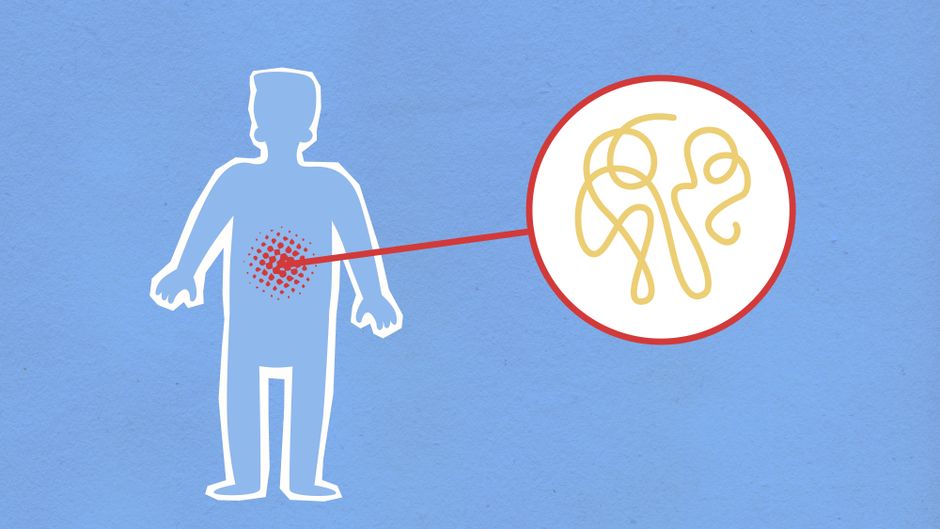
Your digestive system runs from your mouth to your anus, and it can break down in many ways. Diseases of the digestive system are conditions that affect any part of this tract or its helper organs — the liver, gallbladder, and pancreas. They include common problems like acid reflux, ulcers, and irritable bowel syndrome, as well as serious conditions like inflammatory bowel disease, colon cancer, and liver disease.
These conditions are among the most common reasons people see a doctor. Some are short-lived and mild. Others are chronic and need long-term care. Understanding the main categories helps you know when a symptom is routine and when it needs medical attention.
What Are the Diseases of Digestive System?
The digestive tract is a long tube with a lining that does specific chemical and mechanical work at each stage. Disease can strike at any point, and the symptoms usually point to where the problem is.
Doctors generally group these conditions by the part of the tract they affect and by what is going wrong — inflammation, infection, structural damage, poor absorption, or abnormal growth.
- Esophagus: acid reflux (GERD), esophagitis, and swallowing disorders
- Stomach: gastritis, peptic ulcers, and gastric cancer
- Small intestine: celiac disease, Crohn’s disease, and malabsorption problems
- Large intestine: irritable bowel syndrome, ulcerative colitis, diverticular disease, and colorectal cancer
- Liver, gallbladder, and pancreas: fatty liver disease, hepatitis, gallstones, and pancreatitis
One clarification worth making: the gut and the brain are connected through a real, measurable nerve and hormone network called the gut-brain axis. This is why stress can trigger genuine physical symptoms in the gut. It does not mean those symptoms are imagined.
What Is the Difference Between Functional and Structural Digestive Diseases?
This is one of the most useful distinctions in digestive medicine. Structural diseases involve visible damage or abnormal tissue. Functional diseases involve a gut that looks normal but does not work normally.
Structural conditions include ulcers, inflammation, tumors, and blockages. A doctor can often see them on a scan or during an endoscopy. Examples are peptic ulcer disease, inflammatory bowel disease, and colon cancer.
Functional conditions are different. The gut tissue looks healthy on testing, but the way it moves, senses, or interacts with the nervous system is altered. Irritable bowel syndrome is the classic example. So is functional dyspepsia, which causes upper belly discomfort without an ulcer.
This distinction matters because functional disorders are not “less real.” The pain and disruption are genuine. They simply do not show up as damage on standard tests, which is why diagnosis relies on symptom patterns rather than a single scan.
What Are the Most Common Digestive Diseases?
Some digestive conditions are extremely widespread. Others are less common but more serious.
Acid reflux and GERD are among the most common complaints. Stomach acid moving back into the esophagus causes heartburn. Occasional reflux is normal. When it happens frequently and interferes with daily life, it is called gastroesophageal reflux disease.
Irritable bowel syndrome affects a large share of adults. It causes cramping, bloating, and changes in bowel habits — diarrhea, constipation, or both. It does not damage the gut or raise cancer risk, but it can significantly affect quality of life.
Peptic ulcers are open sores in the stomach or upper small intestine. Most are linked to infection with a bacterium called Helicobacter pylori or to regular use of nonsteroidal anti-inflammatory drugs like ibuprofen and aspirin.
Gallstones are hardened deposits in the gallbladder. Many people have them without any symptoms. They only become a problem when a stone blocks a duct and causes pain or inflammation.
Diverticular disease becomes more common with age. Small pouches form in the wall of the colon. They often cause no trouble, but can occasionally become inflamed — a condition called diverticulitis.





Which Digestive Diseases Are Serious?
Some digestive conditions are life-threatening or can become so without treatment. These deserve prompt medical attention.
Colorectal cancer is one of the most common cancers in the United States. It usually develops slowly from growths called polyps, which is why screening is so valuable — removing polyps can prevent cancer from forming. Screening guidelines have shifted in recent years, and current recommendations generally start earlier than they once did. Ask your doctor what applies to you.
Inflammatory bowel disease includes Crohn’s disease and ulcerative colitis. These are chronic immune conditions that cause ongoing inflammation of the gut. They are not caused by diet or stress, and they require long-term medical management.
Liver disease ranges from fatty liver disease to hepatitis and cirrhosis. Fatty liver disease is increasingly common and is often linked to excess weight and metabolic problems. Early stages may cause no symptoms, which is part of why it can go unnoticed.
Pancreatitis is inflammation of the pancreas. It can be sudden and severe, and it is often linked to gallstones or heavy alcohol use.
Warning signs that should never be ignored include blood in the stool, black or tarry stools, unexplained weight loss, persistent vomiting, difficulty swallowing, and severe or lasting abdominal pain.
What Causes Diseases of the Digestive System?
There is no single cause. Digestive diseases arise from a mix of infection, genetics, immune response, diet, lifestyle, and age.
Infections cause many acute problems — food poisoning, stomach flu, and H. pylori infection among them. Genetics play a clear role in inflammatory bowel disease and celiac disease, both of which run in families.
The immune system is central to several conditions. In celiac disease, the body reacts to gluten and damages the small intestine. In inflammatory bowel disease, the immune system attacks the gut lining for reasons that are not fully understood.
Lifestyle factors matter for some conditions but not others. Heavy alcohol use raises the risk of liver disease and pancreatitis. Excess weight is linked to fatty liver disease and reflux. A low-fiber diet is associated with diverticular disease. But it is worth being honest here: diet and stress do not cause inflammatory bowel disease, and no single food causes most digestive disorders.
When Should You See a Doctor About Digestive Symptoms?
Most digestive symptoms pass on their own. Some do not, and knowing the difference matters.
See a doctor promptly if you notice blood in your stool, vomit blood or material that looks like coffee grounds, have severe abdominal pain, or cannot keep fluids down. These can signal bleeding, blockage, or other urgent problems.
Make an appointment for symptoms that persist. Ongoing heartburn, changes in bowel habits lasting more than a few weeks, unexplained weight loss, or a new difficulty swallowing all deserve a conversation with a clinician. These symptoms often have harmless causes, but they are worth checking.
If you have a family history of colorectal cancer or inflammatory bowel disease, tell your doctor. Family history can change when screening should begin and what tests make sense.
How Are Digestive Diseases Diagnosed and Treated?
Diagnosis depends on the condition. Doctors use blood tests, stool tests, imaging like ultrasound and CT scans, and procedures like endoscopy and colonoscopy. Endoscopy lets a doctor look directly at the lining of the gut and take tissue samples if needed.
Treatment varies widely by condition. It may include medications to reduce acid, control inflammation, or fight infection. Some conditions improve with dietary changes. Others need procedures or surgery. Functional disorders like irritable bowel syndrome are often managed with a combination of diet, stress management, and medication tailored to symptoms.
There is no single diet or supplement that treats digestive diseases as a group. Be cautious of products marketed to “heal the gut” — no clinical evidence currently confirms that most of these work. Talk to your doctor before starting any supplement, especially if you take other medications.
Frequently Asked Questions
What are the most common diseases of the digestive system?
Acid reflux, irritable bowel syndrome, peptic ulcers, gallstones, and diverticular disease are among the most common. Colorectal cancer and inflammatory bowel disease are less common but more serious.
Can digestive diseases be cured?
Some can be cured, such as H. pylori infection and many cases of acute gastroenteritis. Chronic conditions like inflammatory bowel disease and irritable bowel syndrome are usually managed rather than cured.
What are the warning signs of a serious digestive problem?
Blood in the stool, black stools, unexplained weight loss, persistent vomiting, difficulty swallowing, and severe abdominal pain are warning signs that need prompt medical attention. These symptoms do not always mean something serious, but they should be checked.
Does stress cause digestive diseases?
Stress does not cause inflammatory bowel disease or ulcers, but it can trigger or worsen symptoms in functional disorders like irritable bowel syndrome. The gut-brain connection is real and measurable.
