
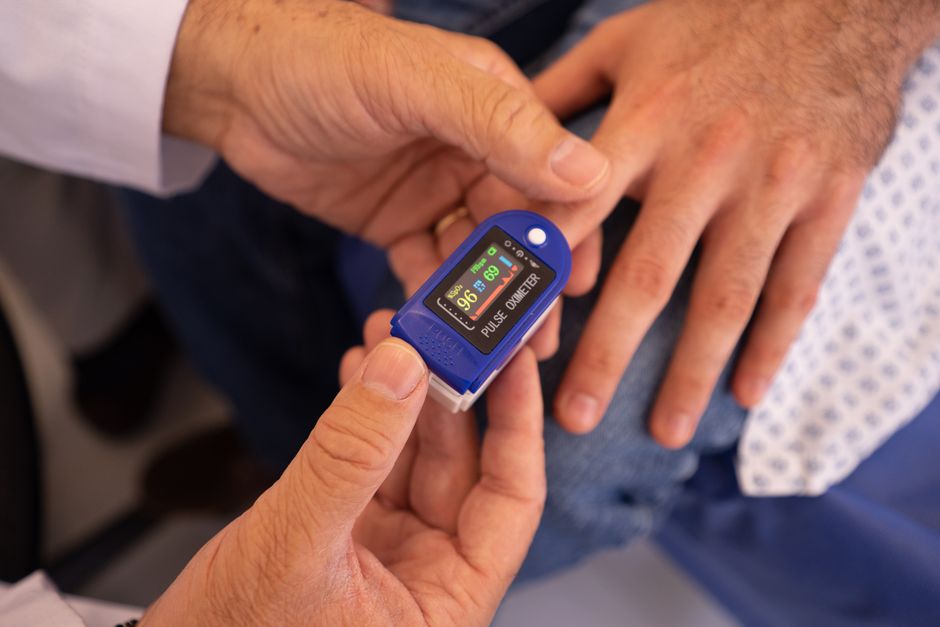
Your blood oxygen level tells you how well your body is getting oxygen from your lungs to your tissues. For most healthy people, a normal reading is between 95% and 100% on a pulse oximeter. Levels at or below 94% may signal a problem, and levels below 90% require prompt medical attention.
What Are Normal Levels Of Oxygen In The Blood?
Normal blood oxygen levels are measured in two ways. A pulse oximeter gives a percentage called oxygen saturation, often written as SpO2. For healthy adults, that number should sit between 95% and 100%.
The other way is an arterial blood gas test, which measures the actual pressure of oxygen in your blood. This is called PaO2. A normal PaO2 for a healthy adult at sea level is between 75 and 100 mmHg. Doctors use this test when they need a very precise reading, such as in hospital settings or when a pulse oximeter gives questionable results.
Your body works hard to keep oxygen saturation in this range. If it drops below 95%, your tissues are getting less oxygen than they need. A reading below 90% is considered hypoxemia, a condition where oxygen levels are dangerously low.
How Does A Pulse Oximeter Measure Oxygen?
A pulse oximeter clips onto your fingertip and shines light through your skin. It measures how much light is absorbed by the oxygen-carrying protein in your blood, called hemoglobin. Oxygenated blood absorbs light differently than deoxygenated blood, and the device calculates the ratio.
This method is fast and painless, but it has limits. The device cannot tell you how much oxygen is actually dissolved in your blood. It only measures the percentage of hemoglobin that is carrying oxygen. That distinction matters in certain situations, especially for people with anemia or carbon monoxide poisoning.
Pulse oximeters are generally accurate within 2% to 3% of the true value. But accuracy depends on the device quality and your condition. Cold hands, nail polish, poor circulation, or movement can produce falsely low readings.
What Do Low Oxygen Levels Mean?
A reading below 95% is worth paying attention to. It does not always mean something is wrong, but it is a sign that your body may not be getting enough oxygen. If your reading is between 91% and 94%, you should monitor it and consider contacting a healthcare provider, especially if you have other symptoms.
A reading of 90% or below is a medical emergency. At this level, your organs may not be getting enough oxygen to function properly. Seek emergency care immediately if your oxygen level drops this low.
Low oxygen levels can be caused by many conditions. Common causes include chronic obstructive pulmonary disease (COPD), asthma, pneumonia, heart failure, and sleep apnea. High altitude also lowers oxygen levels because the air contains less oxygen at higher elevations.
Some people live with chronically low oxygen levels. People with advanced COPD, for example, may have baseline readings in the high 80s or low 90s. For these individuals, their healthcare provider will set a personal target range that may differ from the general standard.

What Is The Difference Between Oxygen Saturation And Blood Oxygen Content?
Oxygen saturation tells you the percentage of hemoglobin carrying oxygen. Blood oxygen content, however, measures the total amount of oxygen in your blood. These are related but not identical.
Think of hemoglobin as buses and oxygen as passengers. Saturation tells you what percentage of seats are filled. Content tells you how many passengers are on board. If you have fewer buses, you can have full buses but still not enough passengers.
This distinction matters for people with anemia. An anemic person may have normal oxygen saturation because their hemoglobin is fully loaded with oxygen. But because they have less hemoglobin overall, their total oxygen content is low. A pulse oximeter would show a normal reading, yet their tissues could still be oxygen-starved.
Can Oxygen Levels Be Too High?
Yes, oxygen levels can be too high. This condition is called hyperoxia. It typically occurs in hospital settings when someone receives supplemental oxygen at high concentrations for extended periods.
For most people at home, this is not a concern. Your lungs naturally regulate how much oxygen you absorb. Breathing room air, which contains about 21% oxygen, will not cause hyperoxia in a healthy person.
However, people using home oxygen therapy should follow their prescribed flow rate exactly. More oxygen is not better. Too much oxygen can damage lung tissue over time, particularly in people with certain lung conditions. It can also suppress the drive to breathe in some people with chronic respiratory failure.
When Should You Check Your Blood Oxygen Level?
Most healthy people do not need to check their oxygen levels regularly. If you are generally well and have no underlying conditions, your body manages oxygen levels without any input from you.
You may benefit from monitoring if you have a chronic condition that affects your lungs or heart. People with COPD, asthma, heart failure, or sleep apnea can use a pulse oximeter to track how their condition is doing. Some doctors recommend home monitoring for these patients to catch problems early.
If you have symptoms of low oxygen, check your level. Symptoms include shortness of breath, rapid breathing, confusion, bluish lips or fingertips, and chest pain. If you have these symptoms and your oxygen reading is low, seek medical care.
During respiratory illnesses like COVID-19, some doctors advised people to monitor their oxygen levels at home. This practice, called silent hypoxemia monitoring, helped catch dangerous drops in oxygen before people felt short of breath. If you are sick with a respiratory infection, checking your oxygen level twice daily can be a useful safety measure.
How Accurate Are Home Pulse Oximeters?
Home pulse oximeters are reasonably accurate when used correctly. Studies have shown that most consumer devices are within 2% to 3% of hospital-grade equipment. That margin matters. A reading of 96% could actually be 93% or 99%.
Device quality varies widely. The cheapest options may be less reliable than mid-range models. Look for a device that has been cleared by the FDA or meets international standards for medical devices.
Skin tone can affect accuracy. Some research has found that pulse oximeters may overestimate oxygen levels in people with darker skin. This is a known limitation of the technology. If your reading seems inconsistent with how you feel, trust your symptoms and seek medical advice.
To get the most accurate reading, follow these tips. Warm your hands before testing. Remove nail polish from the finger you use. Sit still for at least 30 seconds before reading. Place the device on your middle or index finger. Wait for the reading to stabilize before recording it.
What Is A Normal Oxygen Level During Sleep?
Oxygen levels naturally dip slightly during sleep. For healthy adults, levels typically stay at or above 92% throughout the night. Brief dips below this range can happen in anyone, especially during deep sleep.
People with sleep apnea experience repeated drops in oxygen during the night. These drops can be brief or prolonged, depending on the severity of the condition. If you wake up with headaches, feel exhausted despite a full night of sleep, or have been told you snore loudly, sleep apnea may be the cause.
A home sleep test or an overnight pulse oximetry study can measure your oxygen levels while you sleep. If your oxygen drops below 88% during sleep, this is considered significant and warrants discussion with a healthcare provider.
Frequently Asked Questions
What is a dangerous low oxygen level?
A reading of 90% or below is considered dangerously low and requires immediate medical attention. Levels between 91% and 94% may indicate a problem and should be discussed with a healthcare provider.
Can anxiety cause low oxygen readings?
Anxiety itself does not lower your actual blood oxygen level, but it can cause rapid breathing that may produce a temporarily low reading on a pulse oximeter. If your reading is low and you feel anxious, take slow breaths and recheck after a few minutes.
Is 96% oxygen level normal?
Yes, 96% is within the normal range of 95% to 100% for healthy adults. If you have a chronic lung condition, your doctor may have a different target range for you.
Does age affect normal oxygen levels?
Normal oxygen levels stay roughly the same across adulthood, typically 95% to 100% for all ages. Some research suggests that healthy older adults may have slightly lower baseline readings, but the clinical significance of this is not fully established.
