
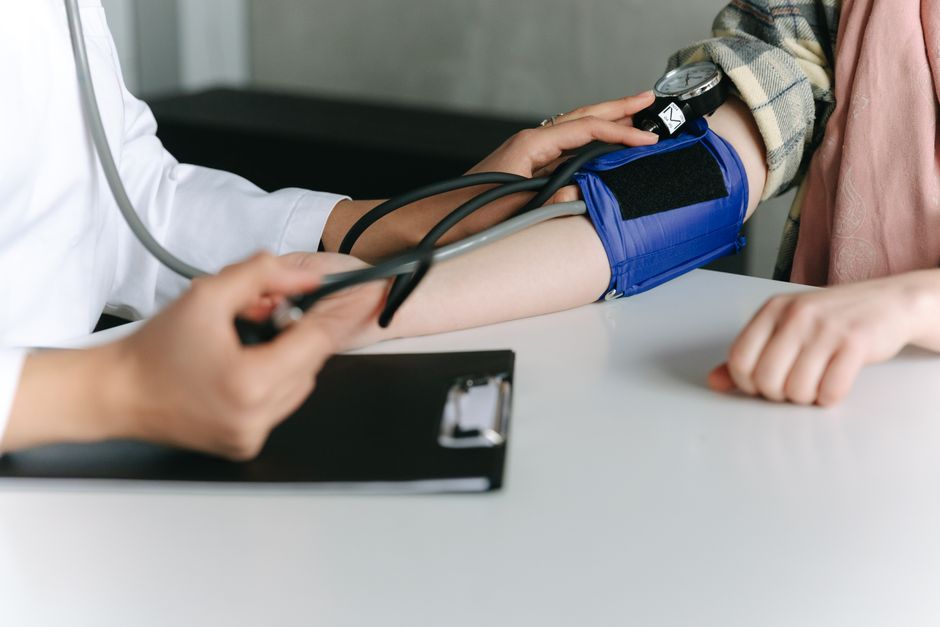
A blood pressure reading of 105/74 mmHg is considered normal and healthy for most adults. The top number (systolic) is below the 120 mmHg threshold that marks the start of elevated blood pressure, and the bottom number (diastolic) sits comfortably within the ideal range of 60–80 mmHg. This reading indicates your heart is pumping blood without excessive force, and your arteries are relaxing properly between beats.
Is 105 74 A Good Blood Pressure Normal Or Low?
A reading of 105/74 is a good blood pressure. It falls squarely within the normal category defined by medical guidelines, which consider anything below 120/80 mmHg to be normal. It is not low enough to be classified as hypotension, a condition typically diagnosed only when blood pressure drops below 90/60 mmHg.
The gap between your systolic and diastolic numbers is called pulse pressure. At 105/74, that gap is 31 mmHg, which is within the typical range of 30–40 mmHg. This difference reflects the natural elasticity of your arteries and how well your cardiovascular system adapts to each heartbeat.
How Blood Pressure Numbers Are Measured
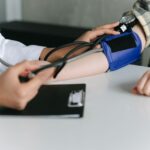
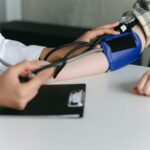
Blood pressure is recorded as two numbers written like a fraction. The systolic number appears on top and measures the pressure in your arteries when your heart contracts and pushes blood out. The diastolic number appears on the bottom and measures the pressure when your heart relaxes between beats.
Both numbers matter, but they tell different parts of the story. Systolic pressure tends to rise with age as arteries stiffen, which is why it receives more attention in older adults. Diastolic pressure reflects the resistance in your blood vessels and is more relevant for younger adults under 50.
Consistent readings matter more than a single measurement. One reading of 105/74 could be influenced by recent activity, caffeine, stress, or even the time of day. Blood pressure naturally fluctuates throughout the day, dipping during sleep and rising in the morning hours.
Blood Pressure Categories Explained
Medical guidelines classify blood pressure into clear categories. Understanding where 105/74 sits helps clarify why it is considered optimal.
| Category | Systolic (top number) | Diastolic (bottom number) |
|---|---|---|
| Normal | Below 120 | Below 80 |
| Elevated | 120–129 | Below 80 |
| Stage 1 Hypertension | 130–139 | 80–89 |
| Stage 2 Hypertension | 140 or higher | 90 or higher |
| Hypertensive Crisis | Above 180 | Above 120 |
| Low (Hypotension) | Below 90 | Below 60 |
Your reading of 105/74 clears the normal threshold by a comfortable margin. It sits about 15 points below the systolic cutoff for elevated blood pressure and 6 points above the diastolic cutoff for hypotension.
What Makes Blood Pressure Too Low
Hypotension is diagnosed when blood pressure drops below 90/60 mmHg. At 105/74, you are nowhere near this threshold. However, blood pressure is personal, and some people feel symptoms at higher readings than others.
Symptoms of low blood pressure include dizziness, lightheadedness, fainting, blurred vision, nausea, and fatigue. These symptoms occur when blood flow to the brain becomes insufficient. If you experience these symptoms with a reading of 105/74, it may still be worth discussing with your doctor, especially if the symptoms interfere with daily life.
Some people naturally run lower than average. Athletes and younger adults often have resting blood pressures in the 100/70 range with no symptoms at all. For these individuals, a reading of 105/74 is simply their baseline and requires no intervention.
Factors That Affect Your Blood Pressure Reading
Several everyday factors can shift your blood pressure temporarily. Knowing these can help you interpret your readings accurately.
- Time of day: Blood pressure typically drops at night and rises in the early morning.
- Food and drink: Caffeine can raise readings for up to three hours. Alcohol can lower them initially.
- Body position: Readings taken while lying down differ from seated readings.
- Stress and anxiety: Even the stress of being in a medical setting can raise readings, a phenomenon known as white coat hypertension.
- Medications: Many prescription and over-the-counter drugs affect blood pressure, including decongestants, pain relievers, and antidepressants.
For the most accurate home readings, sit quietly for five minutes before measuring. Keep your feet flat on the floor and your arm supported at heart level. Take two or three readings one minute apart and record the average.
When 105/74 Might Be a Concern
Context matters when evaluating any blood pressure reading. A single normal reading does not rule out a blood pressure problem, just as a single high reading does not confirm one.
If you take blood pressure medications, a reading of 105/74 might indicate your current dose is working well. It could also signal that your dose is too high if you feel dizzy, lightheaded, or unusually tired. Never adjust your medication without speaking to your doctor first.
Pregnancy changes blood pressure expectations. Blood pressure often drops during the first and second trimesters before rising again in the third. Your obstetric provider will track your readings against pregnancy-specific norms rather than standard adult categories.
For older adults, some research suggests that overly aggressive blood pressure lowering can increase the risk of falls and cognitive issues. Clinical guidelines generally recommend a target of below 130/80 for most adults, but individual targets vary based on age, frailty, and existing health conditions.
How to Maintain a Healthy Blood Pressure
Maintaining a reading like 105/74 involves habits that are well supported by research. These approaches work for most people and carry minimal risk.
Regular aerobic exercise strengthens the heart so it can pump more blood with less effort. The American Heart Association recommends at least 150 minutes of moderate-intensity exercise per week. Brisk walking, cycling, and swimming all qualify.
Dietary sodium directly affects blood pressure for many people. The average American consumes far more sodium than the recommended limit of 2,300 mg per day. Reducing processed foods and adding potassium-rich foods like bananas, leafy greens, and sweet potatoes can help balance sodium’s effects.
Maintaining a healthy weight is one of the most effective ways to keep blood pressure in the normal range. Excess weight increases the workload on your heart and raises vascular resistance. Even modest weight loss of 5–10 pounds can produce measurable improvements in blood pressure.
Limiting alcohol to no more than one drink per day for women and two for men supports healthy blood pressure. Chronic stress also contributes, though the exact mechanism is complex. Practices like deep breathing and adequate sleep of seven to nine hours per night are reasonable additions to any blood pressure management plan.
When to See a Doctor
A reading of 105/74 does not require medical attention on its own. Still, blood pressure should be checked regularly because hypertension often produces no symptoms until damage has occurred.
See your doctor if you have multiple readings above 130/80 taken on separate days. Seek emergency care immediately if your blood pressure exceeds 180/120, especially if accompanied by chest pain, shortness of breath, vision changes, or difficulty speaking.
If you experience dizziness, fainting, or persistent fatigue with a reading of 105/74, mention it to your doctor. These symptoms can indicate other issues even when blood pressure looks normal. Your doctor can evaluate whether your personal baseline is appropriate for your age, health status, and medication regimen.
Frequently Asked Questions
Is 105/74 blood pressure too low?
No, 105/74 is not too low. Hypotension is generally defined as blood pressure below 90/60 mmHg, so this reading sits comfortably within the normal range.
What is a normal blood pressure by age?
Normal blood pressure is below 120/80 mmHg for all adults regardless of age. Individual targets may differ for older adults or those with specific health conditions, but the normal threshold does not change with age.
Can 105/74 blood pressure cause dizziness?
It can for some people, especially if you are used to higher readings. Dizziness with a normal blood pressure reading should be evaluated by a doctor to rule out other causes.
Should I worry if my blood pressure is 105/74?
No, this reading is normal and healthy. Continue monitoring your blood pressure regularly and maintain healthy lifestyle habits to keep it in this range.
