
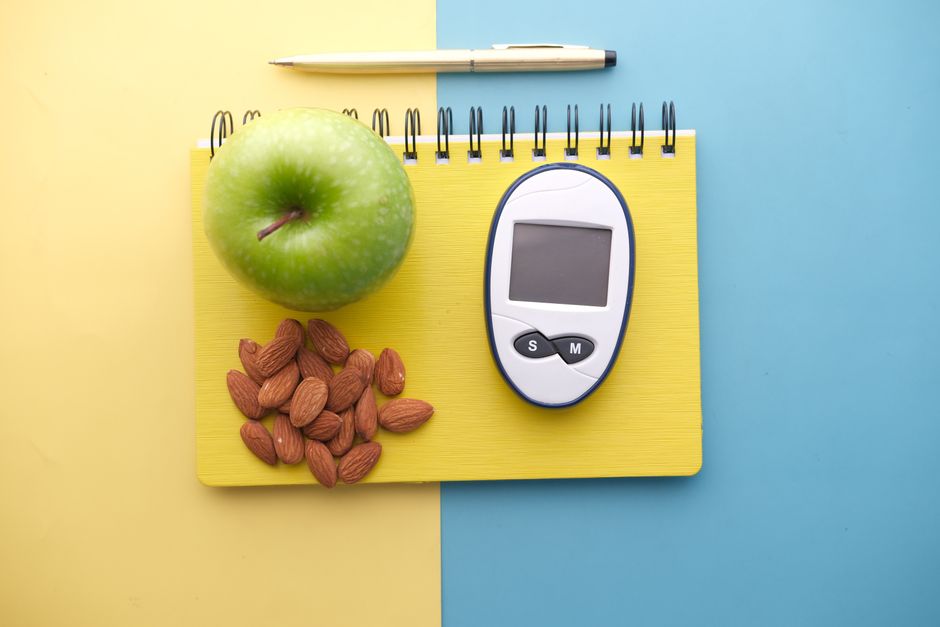
Fasting changes how your body gets energy. When you stop eating, your blood sugar naturally drops, and your body switches from using glucose to using stored fat for fuel. You can maintain stable blood sugar while fasting by staying hydrated, choosing the right foods during your eating window, and avoiding intense activity at the start of your fast. The goal is not to keep blood sugar at normal fed levels, but to keep it from dropping too low or swinging wildly when you break the fast.
What Happens to Blood Sugar When You Fast?
Your body runs on glucose for energy. Glucose comes from the carbohydrates you eat. When you fast, that supply stops.
Within a few hours of your last meal, insulin levels drop. Your body starts breaking down glycogen, which is stored glucose in the liver and muscles. This keeps blood sugar stable for roughly 12 to 24 hours, depending on your size and activity level.
After glycogen runs low, your liver makes new glucose from non-carbohydrate sources. This process is called gluconeogenesis. At the same time, fat cells release fatty acids for energy, and the liver converts some of those into ketones. This shift is normal and expected.
For most healthy people, blood sugar stays within a safe range during a fast. The body has built-in mechanisms to prevent it from dropping dangerously low. Problems arise when those mechanisms are impaired, such as in people taking certain diabetes medications.
Who Should Not Fast Without Medical Supervision?
Fasting is not safe for everyone. Some groups need medical guidance before attempting any fast longer than 12 hours.
People with type 1 diabetes should not fast without a detailed plan from their doctor. Their bodies cannot regulate blood sugar on their own. The risk of ketoacidosis is real and serious.
People with type 2 diabetes who take insulin or sulfonylureas also face risks. These medications can cause hypoglycemia during fasting. Doses may need adjustment, but only a doctor can make that call.
Pregnant women, people with a history of eating disorders, and anyone with adrenal or kidney disease should also speak with a clinician first. Children should never follow restrictive fasting protocols.
If you take any medication for blood sugar, do not start fasting without talking to your prescriber. This is not optional. It is a safety issue.
How To Maintain Blood Sugar Levels While Fasting
Start with the right meal before you fast. A meal with protein, healthy fat, and fiber slows digestion and keeps blood sugar steadier for longer. A meal that is mostly refined carbohydrates will spike blood sugar and then crash it a few hours later.
Hydration matters more than most people realize. Water does not raise blood sugar, but dehydration can make blood sugar harder to control. Your kidneys need water to remove excess glucose. Drink water throughout the fast. Unsweetened tea and black coffee are fine for most people.
Electrolytes also matter on longer fasts. Sodium, potassium, and magnesium help maintain normal cellular function. If you fast for more than 24 hours, consider adding a pinch of salt to water or using an unsweetened electrolyte powder. Do not use sports drinks with sugar.
Move gently. Light walking can actually help maintain blood sugar by increasing insulin sensitivity. Intense exercise during a fast can cause blood sugar to drop quickly. Save heavy workouts for your eating window.
Break your fast carefully. Eating a large, carb-heavy meal after fasting causes a rapid rise in blood sugar. Start with a small meal that includes protein and vegetables. Wait 30 minutes before eating more. This reduces the post-fast blood sugar spike and the energy crash that follows.
How Long Should You Fast for Blood Sugar Control?
There is no single fasting duration that works for everyone. The evidence for metabolic benefits is strongest for intermittent fasting patterns, which typically involve fasting for 12 to 16 hours daily.
A 12-hour fast is the minimum needed to see meaningful metabolic changes. This is often called the overnight fast. Many people achieve this simply by finishing dinner by 7 p.m. and eating breakfast at 7 a.m.
A 16-hour fast is a common intermittent fasting schedule. This is sometimes called the 16:8 method, where you fast for 16 hours and eat within an 8-hour window. Some research suggests this pattern can improve insulin sensitivity over time.
Longer fasts of 24 hours or more are more demanding. Research on their benefits is less clear, and the risks are higher. If you are new to fasting, start with 12 hours and gradually increase only if you feel well.
Consistency matters more than duration. A daily 14-hour fast is likely more beneficial than an occasional 24-hour fast. Your body adapts to a routine.
Signs Your Blood Sugar Is Dropping Too Low
Hypoglycemia is the main danger during fasting. Know the symptoms before you start.
Early signs include shakiness, sweating, confusion, irritability, and a racing heart. Some people feel anxious or have difficulty concentrating. If you feel any of these, check your blood sugar if you have a monitor. If it is below 70 mg/dL, break your fast immediately.
Severe hypoglycemia can cause blurred vision, slurred speech, and loss of consciousness. This is a medical emergency. Do not try to push through these symptoms.
Eating a fast-acting carbohydrate is the correct response to hypoglycemia. Fruit juice, regular soda, or glucose tablets work quickly. After your blood sugar recovers, eat a small meal with protein to keep it stable.
If you experience hypoglycemia during fasting, do not try again without medical advice. Your fasting plan needs adjustment or fasting may not be safe for you.
Foods That Help Stabilize Blood Sugar During Eating Windows
What you eat between fasts affects how well you tolerate the next fast. Prioritize foods that digest slowly.
Protein is essential. Eggs, fish, chicken, tofu, and legumes slow stomach emptying and blunt blood sugar spikes. Aim for protein at every meal.
Fiber is your friend. Vegetables, whole grains, beans, and nuts slow carbohydrate absorption. A meal with 10 grams of fiber will release glucose into your bloodstream much more slowly than a meal with no fiber.
Healthy fats help with satiety. Avocado, olive oil, and nuts keep you full longer. Fat does not raise blood sugar directly.
Limit refined carbohydrates. White bread, sugary drinks, pastries, and processed snacks cause rapid blood sugar spikes followed by crashes. If you eat them, pair them with protein and fiber to slow absorption.
Consider your meal order. Some research suggests eating vegetables and protein before carbohydrates at the same meal reduces the post-meal blood sugar spike. This is a simple change with no downside.
Does Coffee Break a Fast?
Black coffee does not raise blood sugar or insulin. For most people, it does not break a fast.
Adding cream, milk, or sugar changes that. Even a small amount of sugar triggers an insulin response. Some people tolerate a splash of cream without affecting their blood sugar, but this is individual.
Caffeine can affect blood sugar in some people. It may cause a slight rise in glucose because caffeine stimulates adrenaline. For most people this is minor, but if you notice your blood sugar running higher on coffee days, consider reducing intake.
Artificial sweeteners are debated. Some studies suggest certain sweeteners may trigger an insulin response, while others show no effect. The evidence is mixed. If you are fasting for metabolic benefits, plain black coffee is the safest choice.
Monitoring Blood Sugar While Fasting
If you have diabetes or prediabetes, regular monitoring during fasting is wise. A blood glucose meter is the standard tool. Continuous glucose monitors provide more data and can show trends over time.
Check your blood sugar before starting the fast and at regular intervals during it. For a 16-hour fast, three checks are reasonable: at the start, at the midpoint, and before breaking the fast.
Track your numbers over several fasting days. This reveals patterns. If your blood sugar consistently drops below 70 mg/dL, your fasting window is too long or your meals before fasting are inadequate.
For people without diabetes, routine monitoring during fasting is optional. The body regulates itself well. But if you feel symptoms of low blood sugar, check rather than guess.
Frequently Asked Questions
Can I drink water while fasting?
Yes, water is essential during fasting and does not break your fast. Drink plenty of water to stay hydrated, which helps your body regulate blood sugar.
How low is too low for blood sugar while fasting?
Blood sugar below 70 mg/dL is considered hypoglycemia and requires immediate action. Break your fast and eat a fast-acting carbohydrate if you experience symptoms like shakiness or confusion.
Should I take my diabetes medication while fasting?
Do not stop or adjust diabetes medication without speaking to your doctor first. Some medications can cause dangerous low blood sugar during fasting and may need dose changes.
What is the best meal to break a fast?
Start with a small meal containing protein, vegetables, and healthy fats. This prevents a rapid blood sugar spike and keeps your energy stable after the fast.
