
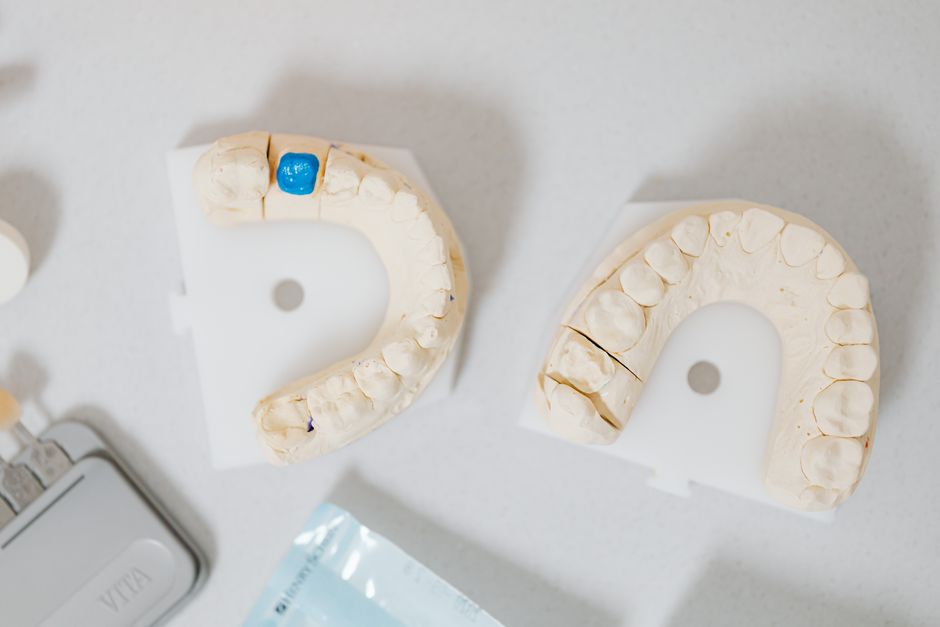
A dental crown is a custom-made cap that sits over a damaged tooth. Think of it as a hard helmet for a tooth that needs protection. Crowns restore a tooth’s shape, size, strength, and appearance.
Dentists use crowns for several reasons. A tooth may be too weak from decay or a large filling. A crown can hold a cracked tooth together. It can cover a tooth after a root canal. Crowns also anchor dental bridges or cover dental implants.
The process usually takes two visits. Your dentist prepares the tooth, takes an impression, and places a temporary crown. On the second visit, they remove the temporary crown and cement the permanent one in place.
When Do You Actually Need a Dental Crown?
Your dentist will recommend a crown when a filling is not enough. This happens when a tooth has lost too much structure. A filling needs healthy tooth structure to hold onto. If more than half the tooth is gone, a crown is usually the better option.
Root canal treatment is a common reason for a crown. After a root canal, the tooth becomes brittle. Research published in the Journal of Endodontics found that teeth without crowns after root canals fracture more often than those with crowns. The front teeth need crowns less often, but molars almost always do.
Cracks are another reason. A small crack in the enamel may not need a crown. But a crack that goes deeper into the tooth structure does. A crown holds the tooth together and prevents the crack from spreading. Your dentist will test the crack with a tool and sometimes take an X-ray to see its depth.
Large old fillings also signal the need for a crown. If a filling takes up more than half the width of the tooth, the remaining tooth is weak. The American Dental Association notes that replacing a large filling with a crown reduces the risk of the tooth breaking later.
What Are Crowns For Teeth Made Of?
Dental crowns come in several materials. Each has pros and cons. Your dentist will choose based on where the tooth is, how much you bite down, and what you want for appearance.
| Material | Strength | Appearance | Best For |
|---|---|---|---|
| Porcelain-fused-to-metal | High | Good | Back teeth and bridges |
| All-porcelain (ceramic) | Moderate | Excellent | Front teeth |
| Zirconia | Very high | Good | Molars and heavy biters |
| Metal (gold or silver alloy) | Very high | Poor | Back teeth only |
| Resin | Low | Good | Temporary crowns only |
Porcelain-fused-to-metal crowns have been used for decades. They are strong and look natural. The metal core gives strength. The porcelain outer layer matches tooth color. The downside is that the metal edge may show as a dark line at the gum over time.
All-porcelain crowns look the most natural. They are made from ceramic materials like lithium disilicate. They work well for front teeth where appearance matters most. However, they are not as strong as metal-based crowns for heavy grinding or clenching.
Zirconia crowns are the strongest option currently available. Zirconia is a white ceramic that is nearly as hard as metal. A 2020 study in Operative Dentistry found zirconia crowns had a 95% survival rate after five years. They work well for molars and people who grind their teeth.
Metal crowns are rarely used today for visible teeth. Gold alloy crowns are extremely durable and wear down the opposing tooth less than porcelain does. They cost more than porcelain crowns but last longer. Some dentists still recommend gold for back molars in people who clench or grind heavily.
How Long Do Dental Crowns Actually Last?
Studies show crowns last between 5 and 15 years on average. A large study in the Journal of Dentistry followed crowns for 10 years. It found that 85% of crowns were still in place and working well at that point. The remaining 15% needed replacement or repair.
Several factors affect how long a crown lasts. Good oral hygiene is the biggest one. You still need to brush and floss around a crown. The tooth underneath can still get decay at the edge where the crown meets the gum. That is the most common reason crowns fail.
Grinding or clenching your teeth shortens crown life. The constant pressure can crack porcelain or loosen the cement. If you grind, your dentist may recommend a night guard to protect both the crown and your other teeth.
The dentist’s skill matters too. A crown that fits poorly will fail sooner. The margin where the crown meets the tooth must be tight. A gap lets bacteria in and decay starts. Good dental labs and careful cementing also make a difference.
Regular dental checkups help catch problems early. Your dentist can check the crown edge and X-ray the tooth underneath. Catching a small gap early means a simple repair instead of a whole new crown.





What Is the Crown Procedure Like?
The first visit takes about 60 to 90 minutes. Your dentist numbs the tooth and gums. They shape the tooth by removing about 1.5 to 2 millimeters of enamel from all sides. This makes room for the crown to fit over the tooth without looking bulky.
After shaping, the dentist takes an impression. Traditional impressions use a putty-like material in a tray. Many dentists now use digital scanners that create a 3D model on a computer screen. Digital impressions are more comfortable and often more accurate.
A temporary crown goes on while the permanent one is made. The temporary is made from acrylic or resin. It protects the tooth and keeps the space open. You need to be careful with it. Avoid sticky foods and do not chew on that side. Temporary crowns can come off easily.
The second visit happens two to three weeks later. The dentist removes the temporary crown. They check the fit and color of the permanent crown. They adjust it if needed. Once everything looks good, they cement it in place with dental cement.
Some dentists offer same-day crowns using CAD/CAM technology. A machine in the office mills the crown from a ceramic block while you wait. The whole process takes about two hours. Same-day crowns are convenient but may not be as strong as lab-made crowns for back teeth.
What Are the Risks and Downsides of Crowns?
Crowns have some real risks. The most common problem is tooth sensitivity after placement. The tooth may feel cold or hot for a few weeks. This usually goes away. If it persists, the crown may be too high and needs adjustment.
Decay under the crown is the biggest long-term risk. The tooth can still get cavities at the crown edge. This happens when plaque builds up along the gumline. Regular flossing is critical. A toothbrush cannot reach the edge between teeth. Only floss can clean that area.
The crown can come loose or fall off. This happens when the cement breaks down over time. If a crown falls off, keep it safe and call your dentist. Do not try to glue it back on yourself. Over-the-counter dental cement can trap bacteria and cause more damage.
Allergic reactions are rare but possible. Some people are allergic to metals in the crown. Nickel is the most common allergen. If you have a metal allergy, tell your dentist. They can use all-porcelain or zirconia instead.
The cost is a downside for many people. Crowns are expensive. Prices range from $800 to $3,000 per tooth depending on material and location. Dental insurance usually covers part of the cost, typically 50% for a crown. Check your plan before starting treatment.
Common Misconceptions About Dental Crowns
Some people think crowns are permanent. They are not. Crowns eventually need replacement. The average lifespan is about 10 to 15 years with good care. After that, the crown may wear down or the tooth underneath may develop problems.
Another myth is that crowns are only for cosmetic reasons. While crowns do improve appearance, their main job is protection. A crown prevents a weak tooth from breaking. It keeps a cracked tooth from splitting. It restores function so you can chew properly. Appearance is a bonus, not the primary reason.
Some believe a crowned tooth cannot get decay. This is false. The tooth under the crown is still alive and can get cavities at the crown edge. The crown itself does not decay, but the tooth structure at the margin does. That is why flossing around a crown is just as important as flossing natural teeth.
People also think crown placement is painful. The procedure is done under local anesthesia. You should not feel pain during the tooth preparation. Some soreness after the numbness wears off is normal. Over-the-counter pain relievers usually handle it well.
Frequently Asked Questions
Does getting a dental crown hurt?
No, the procedure is done with local anesthesia so you will not feel pain during it. Some soreness after the numbness wears off is normal and usually mild.
How long does it take to get a crown?
The standard process takes two visits over two to three weeks. Same-day crowns are possible in about two hours with CAD/CAM technology.
Can you eat normally with a crown?
Yes, after the permanent crown is cemented you can eat normally. Avoid very hard or sticky foods for the first 24 hours while the cement sets.
Do crowns look like real teeth?
Modern all-porcelain and zirconia crowns match natural tooth color and shape very closely. Metal crowns are visible and used only on back teeth.
