
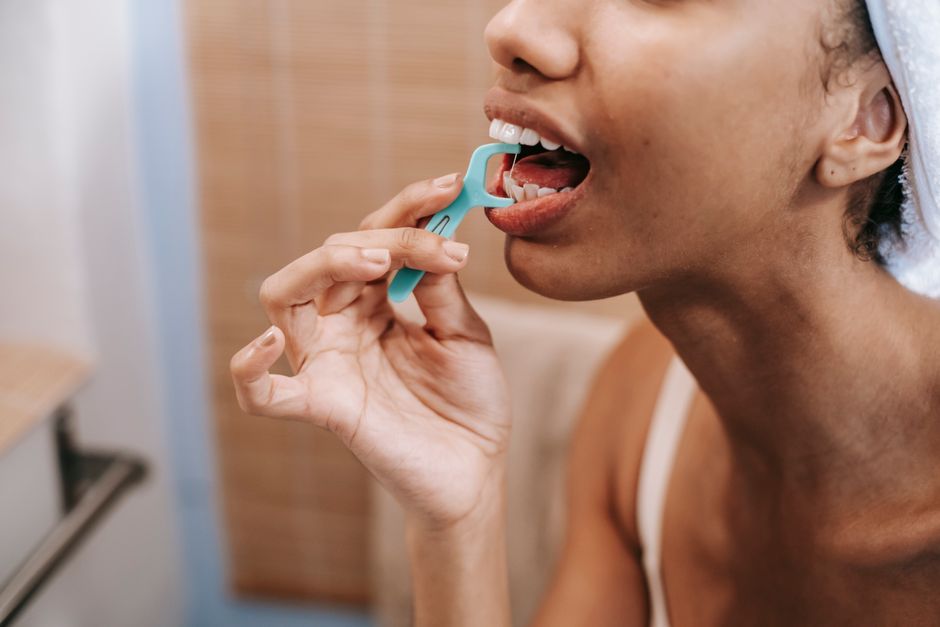
Healthy teeth and gums come down to a few consistent habits, not expensive products or complicated routines. Brush twice a day with fluoride toothpaste, clean between your teeth daily, and see your dentist regularly. That is the core of it. The details matter too — how you brush, what you eat, and how often you let plaque sit on your teeth all play a role in whether you keep your natural teeth for life.
What Does a Healthy Mouth Actually Look Like?
A healthy mouth has no pain, no bleeding, and no persistent bad breath. Your gums should be pink and firm, not red, swollen, or tender. They should not bleed when you brush or floss. Bleeding gums are a sign of inflammation, not a normal part of oral hygiene.
Your teeth should feel smooth and clean. You should not have visible food trapped between teeth after meals. And you should be able to eat and drink hot, cold, or sweet things without discomfort. If any of these things are not true for you, that is a sign something needs attention — usually from a dentist, not just a new toothpaste.
Tooth decay and gum disease are both preventable in most cases. They are caused by bacteria that feed on sugars and starches left on your teeth. These bacteria produce acids that eat away at enamel and trigger inflammation in the gums. Remove the bacteria regularly, and you remove the cause.
How To Have Healthy Teeth And Gums Tips That Work
Brush your teeth twice a day for two full minutes. Use a soft-bristled brush and fluoride toothpaste. Hold the brush at a 45-degree angle where the tooth meets the gum line and use gentle, circular motions. Hard scrubbing does not clean better — it wears away enamel and can push gums back.
Clean between your teeth once a day. Brushing only reaches about 60 percent of the tooth surface. The spaces between teeth are where plaque builds up and where cavities and gum disease most often start. Floss, interdental brushes, or a water flosser all work — the best one is the one you will actually use daily.
Replace your toothbrush every three to four months, or sooner if the bristles are frayed. A worn brush cleans poorly. If you have been sick, replace it then too.
Use fluoride toothpaste. Fluoride strengthens enamel and helps repair early stages of tooth decay. If you are at higher risk for cavities, your dentist may recommend a prescription-strength fluoride toothpaste or a fluoride rinse. That is a decision to make with your dentist based on your specific situation.
Why Flossing Matters More Than Most People Think
Flossing is not optional. The bacteria that cause gum disease live in the plaque between teeth, and brushing cannot remove them there. When plaque stays between teeth, it hardens into tartar within about 24 to 72 hours. Once tartar forms, you cannot brush or floss it away — only a dental professional can remove it.
Tartar buildup leads to gingivitis, the early stage of gum disease. Gingivitis causes red, swollen gums that bleed easily. The good news is gingivitis is fully reversible with good oral hygiene and a professional cleaning. The bad news is that if it is ignored, it can progress to periodontitis.
Periodontitis is not reversible. The infection spreads below the gum line and destroys the bone and tissue that hold teeth in place. This is the leading cause of tooth loss in adults. It is also linked to other health conditions, including diabetes and heart disease, though the exact nature of those links is still being studied.
If you find flossing difficult, interdental brushes are often easier to use and many dentists consider them more effective. Water flossers are a reasonable option too, especially for people with braces or bridges. The key is daily cleaning between the teeth, whatever tool you use.




What You Eat Matters for Your Teeth
Every time you eat sugar or refined carbohydrates, the bacteria in your mouth produce acid for about 20 to 30 minutes. That acid attacks your enamel. If you snack on sugary things all day, your teeth are under constant acid attack with no time to recover.
This is why frequency matters as much as quantity. A piece of cake at one sitting is less damaging than sipping a sugary drink all afternoon. Your saliva works to neutralize acid and repair early damage, but it needs time between exposures to do its job.
Foods that are good for your teeth include:
- Dairy products like cheese and yogurt, which contain calcium and casein that help protect enamel
- Crunchy vegetables like carrots and celery, which stimulate saliva flow
- Foods high in fiber, which help clean teeth as you chew
- Water, especially fluoridated tap water
Acidic foods and drinks — citrus, soda, sports drinks, wine — soften enamel temporarily. If you consume these, wait at least 30 minutes before brushing. Brushing while enamel is softened can wear it away. Rinsing with water after acidic drinks helps speed up the recovery process.
Chewing sugar-free gum after meals can help too. It stimulates saliva production, which neutralizes acid and washes away food particles. Look for gum sweetened with xylitol, which some research suggests may help reduce cavity-causing bacteria.
How Often Should You See the Dentist?
For most people, a dental checkup and cleaning every six months is the standard recommendation. Some people need to go more often. People with a history of gum disease, high cavity risk, diabetes, or weakened immune systems may need to go every three to four months.
Your dentist is not just checking for cavities. They are checking for gum disease, oral cancer, signs of teeth grinding, and other problems that you cannot see or feel in the early stages. Many dental problems cause no symptoms until they are advanced. By the time a cavity hurts, it may already need a filling or worse.
Professional cleanings remove tartar that you cannot remove at home. Even with perfect brushing and flossing, most people miss some spots. Tartar that stays on teeth makes it harder to clean those areas and creates a rough surface where more plaque accumulates.
If you have not been to the dentist in years, do not let embarrassment stop you. Dental professionals see every level of neglect regularly. They are there to help, not judge. Starting again is always better than waiting longer.
What About Mouthwash?
Mouthwash is a supplement to brushing and flossing, not a replacement. Some mouthwashes help reduce plaque and gingivitis. Others just freshen breath temporarily. They are not all the same.
If you use mouthwash, choose one with fluoride for cavity protection or one with antibacterial ingredients like cetylpyridinium chloride or chlorhexidine for gum health. Chlorhexidine mouthwash is prescription-only and is typically used for short periods under a dentist’s guidance. Long-term use can stain teeth.
Do not use mouthwash immediately after brushing. It washes away the fluoride from your toothpaste. If you want to use both, use toothpaste first, then wait a bit, or use mouthwash at a different time of day.
Alcohol-free mouthwashes are a better choice for most people. Alcohol can dry out the mouth, and a dry mouth increases cavity risk because saliva is your body’s natural defense against decay.
Lifestyle Habits That Damage Your Teeth
Tobacco use in any form is bad for your oral health. Smoking and chewing tobacco increase your risk of gum disease, tooth loss, and oral cancer. They also slow healing after dental procedures and cause bad breath and tooth staining. Quitting is one of the best things you can do for your mouth.
Grinding and clenching your teeth can wear down enamel, crack teeth, and cause jaw pain. Many people grind at night without knowing it. Signs include waking up with a sore jaw, headaches, or teeth that look shorter or flatter than they used to. A dentist can fit you with a night guard to protect your teeth.
Using your teeth as tools — opening packages, cracking nuts, biting nails — can chip or crack them. Teeth are strong, but they are not designed for this. Use scissors or a bottle opener instead.
Dry mouth is another risk factor for tooth decay. It can be caused by hundreds of medications, certain medical conditions, and aging. If your mouth is often dry, drink more water, chew sugar-free gum, and talk to your dentist or doctor about it. Saliva is essential for protecting your teeth.
When To See a Dentist Right Away
Some problems cannot wait for your next six-month checkup. See a dentist promptly if you have:
- Tooth pain that lasts more than a day or two
- Swollen, painful, or bleeding gums
- A tooth that is loose or shifted position
- Persistent bad breath that does not improve with brushing
- A broken or chipped tooth
- An abscess — a pimple-like bump on your gums that may be painful
Dental problems do not resolve on their own. An infection in a tooth will not heal without treatment. Waiting usually makes the problem worse, more painful, and more expensive to fix.
Can You Reverse Tooth Decay?
In the very early stages, yes. Before a cavity forms a hole in the tooth, the damage is called an incipient lesion or a micro-cavity. At this stage, the enamel has lost minerals but is not yet broken. Fluoride, good oral hygiene, and reduced sugar intake can help remineralize the enamel and stop the process.
Once a cavity has formed a hole in the tooth, it cannot be reversed. The decayed part must be removed and the tooth filled by a dentist. Left untreated, the decay will spread deeper into the tooth, eventually reaching the nerve and causing an infection that requires a root canal or extraction.
The same principle applies to gum disease. Gingivitis is reversible with good care. Periodontitis, once bone loss has occurred, is manageable but not curable. The damage done cannot be undone, only prevented from getting worse.
This is why prevention is so important. By the time you feel a problem, the damage is already done. The habits that keep teeth and gums healthy are simple, but they need to happen every day, not when you remember.
Frequently Asked Questions
How often should I brush my teeth?
Brush twice a day for two minutes each time. Brushing more than that can wear down enamel and irritate gums.
Is it better to floss before or after brushing?
Either order works as long as you do both daily. Flossing first loosens plaque and food, which brushing then removes.
Can I reverse receding gums?
No, once gum tissue has receded it does not grow back. Treatment focuses on stopping further recession and, in severe cases, surgical grafting to cover exposed roots.
Are electric toothbrushes better than manual ones?
Studies consistently show electric toothbrushes remove more plaque than manual brushes, especially models with oscillating heads. But a manual brush used properly is still effective.
