
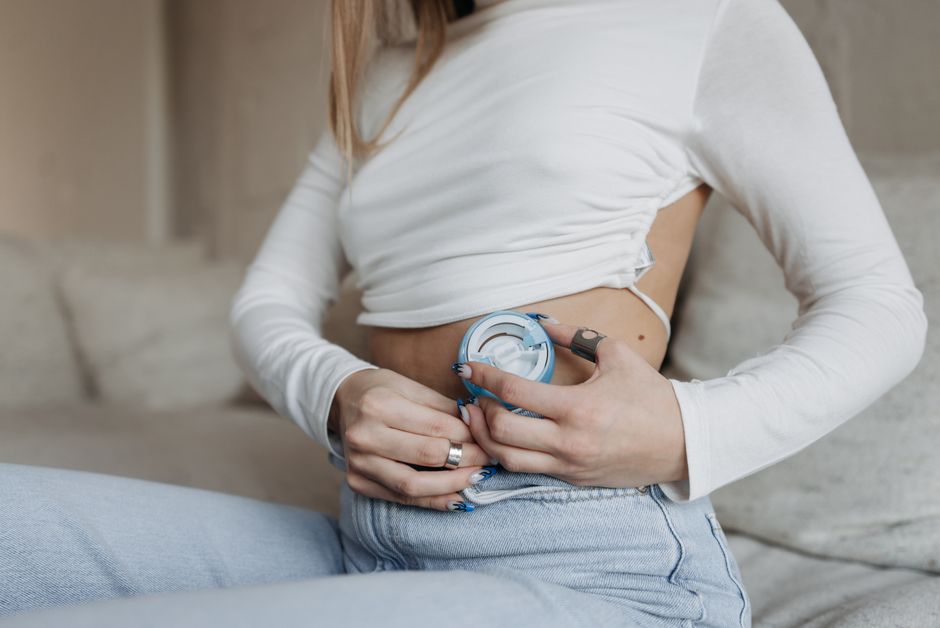
Proton pump inhibitors (PPIs) are a class of medications that reduce stomach acid production. They work by blocking the proton pump in the stomach lining, which is the final step in acid secretion. This makes them highly effective for treating conditions like gastroesophageal reflux disease (GERD), stomach ulcers, and frequent heartburn.
What Are Proton Pump Inhibitors?
Proton pump inhibitors are drugs that stop the stomach from making too much acid. They do this by turning off the tiny pumps in the cells that line your stomach. These pumps are called proton pumps, and they release acid into the stomach.
PPIs are different from antacids, which just neutralize acid already in the stomach. PPIs actually stop acid from being made in the first place. This makes them stronger and longer-lasting. Common brand names include omeprazole (Prilosec), esomeprazole (Nexium), lansoprazole (Prevacid), and pantoprazole (Protonix). Many are available over the counter at lower doses, and stronger versions require a prescription.
The FDA has approved PPIs for several conditions. These include GERD, erosive esophagitis (damage to the esophagus from acid), stomach and duodenal ulcers, and Zollinger-Ellison syndrome, a rare condition where the stomach produces too much acid. They are also used to prevent stomach ulcers in people taking NSAIDs like ibuprofen or aspirin long-term.
How Do Proton Pump Inhibitors Work in the Body?
To understand how PPIs work, you need to know a little about stomach acid production. The stomach lining has special cells called parietal cells. These cells contain proton pumps that push acid into the stomach. Acid is essential for digestion and killing harmful bacteria, but too much causes problems.
PPIs enter the bloodstream and travel to the stomach lining. They bind to the proton pumps and block them. Once blocked, the pump cannot release acid. This effect is not instant. It takes about one to three days for the full acid-suppressing effect to kick in. That is why PPIs are not good for immediate heartburn relief. They are designed for ongoing treatment.
The blocking effect lasts about 24 hours. The body makes new proton pumps each day, so the medication must be taken daily to maintain the effect. Taking it 30 to 60 minutes before the first meal of the day is the standard advice. This timing ensures the drug is absorbed and active when the pumps are most active after eating.
What Conditions Are Proton Pump Inhibitors Prescribed For?
PPIs are a first-line treatment for several digestive conditions. The most common is gastroesophageal reflux disease, or GERD. In GERD, stomach acid flows backward into the esophagus, causing heartburn and irritation. Research published in the American Journal of Gastroenterology has shown that PPIs heal esophagitis in 80-90% of cases within eight weeks.
Another common use is for peptic ulcers. These are open sores in the lining of the stomach or the first part of the small intestine. PPIs help these ulcers heal by reducing acid that irritates the sore. The CDC reports that most peptic ulcers are caused by H. pylori bacteria or long-term use of NSAIDs. PPIs are often used alongside antibiotics to treat H. pylori infections.
Doctors also prescribe PPIs to prevent ulcers in people who take NSAIDs regularly. This includes people with arthritis or chronic pain. The American Gastroenterological Association recommends PPIs for patients at high risk of NSAID-related bleeding. PPIs are also used for Zollinger-Ellison syndrome, though this condition is rare.


What Are the Side Effects and Long-Term Risks?
Short-term use of PPIs is generally safe. Common side effects include headache, nausea, diarrhea, constipation, and abdominal pain. These are usually mild and go away on their own. The FDA has approved PPIs for short-term use of two to eight weeks for most conditions.
Long-term use, meaning more than a year, has been linked to several potential risks. Research has found associations with kidney disease, bone fractures, vitamin B12 deficiency, and increased risk of C. difficile infection. The FDA has issued warnings about these risks based on observational studies.
It is important to understand what the evidence actually shows. These are associations, not proven causes. For example, a 2019 study in the BMJ found that long-term PPI users had a 33% higher risk of chronic kidney disease. But people who take PPIs long-term often have other health issues that also increase risk. The absolute risk remains low for most people.
The most well-established risk is for bone fractures, especially in older adults taking high doses for more than a year. The FDA requires this warning on all prescription PPIs. Another concern is reduced absorption of magnesium and vitamin B12. These nutrients need stomach acid to be absorbed properly.
How Do Proton Pump Inhibitors Compare to Other Acid Reflux Medications?
There are three main types of acid-reducing medications. Antacids like Tums neutralize acid already in the stomach. H2 blockers like famotidine (Pepcid) reduce acid production but not as strongly as PPIs. PPIs are the most powerful acid suppressors available.
| Medication Type | How It Works | Onset | Duration |
|---|---|---|---|
| Antacids (Tums, Rolaids) | Neutralize stomach acid | Minutes | 1-2 hours |
| H2 Blockers (Pepcid, Zantac) | Block histamine signals to reduce acid | 1-2 hours | Up to 12 hours |
| PPIs (Prilosec, Nexium) | Block proton pumps directly | 1-3 days for full effect | Up to 24 hours |
PPIs are more effective for healing severe esophagitis and maintaining remission in GERD. H2 blockers work faster and are better for occasional heartburn. Antacids provide the fastest relief but are short-acting. The choice depends on the condition being treated and how long treatment is needed.
Common Misconceptions About Proton Pump Inhibitors
One widespread myth is that PPIs cure acid reflux. They do not. They manage symptoms by reducing acid. If you stop taking them, acid production returns to normal or even increases temporarily. This is called rebound hyperacidity. It can cause worse heartburn for a few weeks, making it hard to stop.
Another misconception is that PPIs are addictive. They are not physically addictive like opioids. But people can become dependent on them because stopping causes symptoms to return. This is a pharmacological effect, not addiction. Some studies suggest that up to 50% of people on long-term PPIs may not need them anymore.
Some people believe that all PPIs are the same. They are similar but not identical. They differ slightly in how the body processes them and how quickly they work. For example, esomeprazole (Nexium) is the S-isomer of omeprazole and may be slightly more effective for some people. However, for most conditions, they are considered interchangeable by medical guidelines.
What Are the Guidelines for Safe Use?
The FDA and major medical societies recommend using PPIs at the lowest effective dose for the shortest time needed. For GERD, the typical course is 4 to 8 weeks. If symptoms persist, doctors may recommend a different approach or further testing.
Doctors should periodically reassess whether a patient still needs a PPI. This is called deprescribing. The American Gastroenterological Association recommends trying to reduce the dose or switch to an H2 blocker if possible. For people on high doses, stepping down gradually can reduce rebound symptoms.
Lifestyle changes can reduce the need for PPIs. These include losing weight if overweight, avoiding meals within three hours of bedtime, and cutting back on alcohol, caffeine, and fatty foods. Elevating the head of the bed by 6 to 8 inches also helps. These measures do not work for everyone but are worth trying.
What to Avoid When Taking Proton Pump Inhibitors
Do not take PPIs with other medications without checking with a pharmacist or doctor. PPIs can affect how the body absorbs some drugs. For example, they reduce the effectiveness of the blood thinner clopidogrel (Plavix). The FDA has warned about this interaction.
Avoid taking PPIs with iron supplements or thyroid medication. Stomach acid helps absorb these. Taking them together can lower their effectiveness. Space them out by at least four hours if possible. Also avoid taking PPIs with certain antifungal medications and some HIV drugs.
Do not take PPIs for occasional heartburn. They are not designed for that. For occasional symptoms, antacids or H2 blockers work better and faster. Taking PPIs long-term when not needed exposes you to unnecessary risks. Talk to your doctor about whether you really need them.
Frequently Asked Questions
Can I take proton pump inhibitors every day?
Yes, but only as prescribed by a doctor. Daily use beyond two weeks should be medically supervised to assess ongoing need and risks.
How long does it take for PPIs to work?
Most people feel relief within 2 to 3 days, but full healing of the esophagus may take 4 to 8 weeks of daily use.
Are over-the-counter PPIs as strong as prescription ones?
No. OTC PPIs contain lower doses, typically half the strength of prescription versions, and are intended for short-term use.
Can I stop taking PPIs suddenly?
Stopping suddenly can cause rebound acid hypersecretion, making heartburn worse for a week or two. Gradual tapering under medical advice is recommended.
