

Leg swelling, medically called edema, happens when extra fluid builds up in the tissues of your lower legs. This fluid leaks out of tiny blood vessels called capillaries. When the leak outpaces your body’s ability to drain it, your ankles and feet swell. The causes range from everyday concerns like sitting too long to serious conditions involving your heart, kidneys, or veins. Understanding the specific cause matters because the treatment differs completely depending on what is driving the fluid buildup.
What Are Causes Of Edema In Legs?
Edema in the legs has several distinct causes, and they fall into a few main categories. The most common causes relate to gravity, vein health, and the balance of pressure inside your blood vessels. When veins in your legs weaken or their one-way valves fail, blood pools downward. This increases pressure in the capillaries and pushes fluid out into surrounding tissue.
Other causes involve your body’s chemical balance. Your kidneys regulate salt and water. If they are not working well, you retain both. Your heart pumps blood forward; if it weakens, blood backs up into the veins. Your liver makes a protein called albumin that holds fluid inside blood vessels. Low albumin levels allow fluid to escape. Each of these pathways produces the same visible result: swollen legs.
What Does Leg Edema Feel And Look Like?
Edema usually appears as puffiness in the feet, ankles, and lower calves. The skin may look stretched, shiny, or feel tight. A classic sign is pitting edema. Press your finger into the swollen area for a few seconds. If an indentation remains after you remove your finger, that is pitting edema. This indicates fluid, not fat, is causing the swelling.
Non-pitting edema is different. The skin feels firm and does not hold a fingerprint. This can happen with lymphatic system problems or thyroid disease. The swelling may be present in one leg or both. Unilateral swelling — one leg only — points toward a local problem like a blood clot or vein issue. Bilateral swelling more often suggests a systemic condition affecting your whole body.
What Are The Most Common Causes Of Leg Swelling?
Several everyday situations cause leg swelling in otherwise healthy people. Standing or sitting for long hours allows gravity to pull fluid downward. This is common among people who work retail, travel on long flights, or sit at a desk all day. Heat also dilates blood vessels, making it easier for fluid to escape into tissues. Hormonal changes during the menstrual cycle or pregnancy can increase fluid retention.
Diet plays a role too. A diet very high in sodium causes your body to hold onto water. Some medications list edema as a side effect. These include certain blood pressure drugs called calcium channel blockers, steroids, and some antidepressants. If you recently started a new medication and noticed swelling, that timing is worth mentioning to your doctor.




When Is Leg Swelling A Sign Of A Serious Condition?
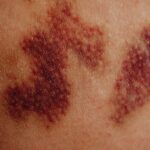
Leg swelling can signal underlying disease, and some causes require urgent attention. Chronic venous insufficiency is one of the most common. The valves inside your leg veins stop closing properly. Blood flows backward and pools. Over time this damages the veins further and leads to swelling, skin discoloration, and sometimes ulcers. This condition is common but treatable with compression and movement.
Heart failure is a serious cause. When your heart pumps less effectively, blood backs up into the veins. The increased pressure pushes fluid into the tissues. Swelling from heart failure often appears in both legs and may be accompanied by shortness of breath, especially when lying flat. Kidney disease also causes swelling because damaged kidneys cannot remove enough sodium and water from your body.
Liver disease, particularly cirrhosis, reduces albumin production. Without enough albumin, fluid leaks out of vessels. The swelling often starts in the legs but can progress to fluid in the abdomen. A blood clot in the leg, called deep vein thrombosis, causes sudden swelling in one leg. This is a medical emergency because the clot can travel to your lungs. Seek immediate care if one leg swells suddenly, especially with pain or warmth.
What Lifestyle And Home Factors Can Worsen Edema?
Certain habits make existing edema worse. A high-salt diet is the biggest dietary contributor. Sodium pulls water into your bloodstream and tissues. Reducing processed foods and adding fresh foods can make a measurable difference. Prolonged sitting or standing without movement is another factor. Your calf muscles act as a pump. When you walk, they squeeze veins and push blood upward. When you stay still, that pump is off.
Being overweight increases pressure in your abdominal veins, which can slow return of blood from your legs. Wearing tight clothing that constricts the top of your legs can also restrict flow. Even the position of your legs matters. Sitting with your legs dangling for hours allows fluid to pool. Elevating your legs above heart level for 15 to 30 minutes helps gravity drain fluid back toward your torso.
How Is The Cause Of Leg Edema Diagnosed?
A doctor will start with your history and a physical exam. They will ask when the swelling started, whether it is one leg or both, and what makes it better or worse. They will check for pitting and look at the skin condition. Your blood pressure and heart rate are measured. The doctor may listen to your heart and lungs for signs of fluid or heart strain.
Several tests help identify the cause. Blood tests check kidney function, liver enzymes, and albumin levels. A urine test looks for protein loss. An ultrasound of your leg veins, called a duplex ultrasound, checks for blood clots and evaluates vein valve function. If heart failure is suspected, an echocardiogram shows how well your heart pumps. The specific tests depend on what your doctor finds during the exam.
What Treatments Are Available For Leg Edema?
Treatment targets the underlying cause, not just the swelling itself. For chronic venous insufficiency, compression stockings are the mainstay. These stockings apply graduated pressure — tightest at the ankle and looser higher up — which helps veins push blood back toward your heart. They are available over the counter but a medical fitting provides the correct pressure level for your condition.
Elevation and movement are foundational. Raising your legs above heart level for 15 to 30 minutes several times daily helps drain fluid. Walking regularly activates the calf muscle pump. Reducing dietary sodium helps your kidneys excrete excess fluid. Diuretic medications, sometimes called water pills, increase urine output. These are prescribed for heart failure, kidney disease, and liver disease but are not appropriate for all causes of edema.
For deep vein thrombosis, blood thinners are the standard treatment. For heart failure, medications improve heart function and reduce fluid. For liver disease, treatment focuses on the underlying liver condition. There is no single universal treatment for leg swelling. The right approach depends entirely on the diagnosis.
When Should You See A Doctor For Leg Swelling?
Some swelling warrants prompt medical attention. Seek care if swelling comes on suddenly, especially in one leg. This could indicate a blood clot. Seek emergency care if leg swelling is accompanied by chest pain, difficulty breathing, or fainting. These symptoms can indicate a clot traveling to your lungs or worsening heart failure.
Make an appointment if the swelling persists for more than a few days, gets progressively worse, or is accompanied by skin changes like redness, warmth, or open sores. Also see a doctor if you have a history of heart, kidney, or liver disease and notice new swelling. Swelling that does not improve with elevation and rest deserves evaluation. Early diagnosis of the underlying condition prevents complications.
Frequently Asked Questions
Can drinking more water reduce leg swelling?
Drinking more water does not reliably reduce edema and can sometimes worsen it if your kidneys are not excreting fluid properly. The most effective dietary change is reducing sodium intake, not increasing water.
Does leg edema always mean heart failure?
No, heart failure is only one possible cause among many. Chronic venous insufficiency, kidney disease, liver disease, medications, and prolonged sitting are all common causes of leg swelling.
Are compression socks safe for everyone with swollen legs?
Compression socks are not safe for everyone. They should not be used if you have peripheral artery disease or a skin infection. A doctor should evaluate the cause of your swelling before you use compression therapy.
How quickly should leg swelling resolve with treatment?
Mild swelling from prolonged sitting may resolve within hours of elevation and movement. Swelling from chronic conditions like venous insufficiency or heart failure improves more slowly, often over days to weeks with consistent treatment.
