
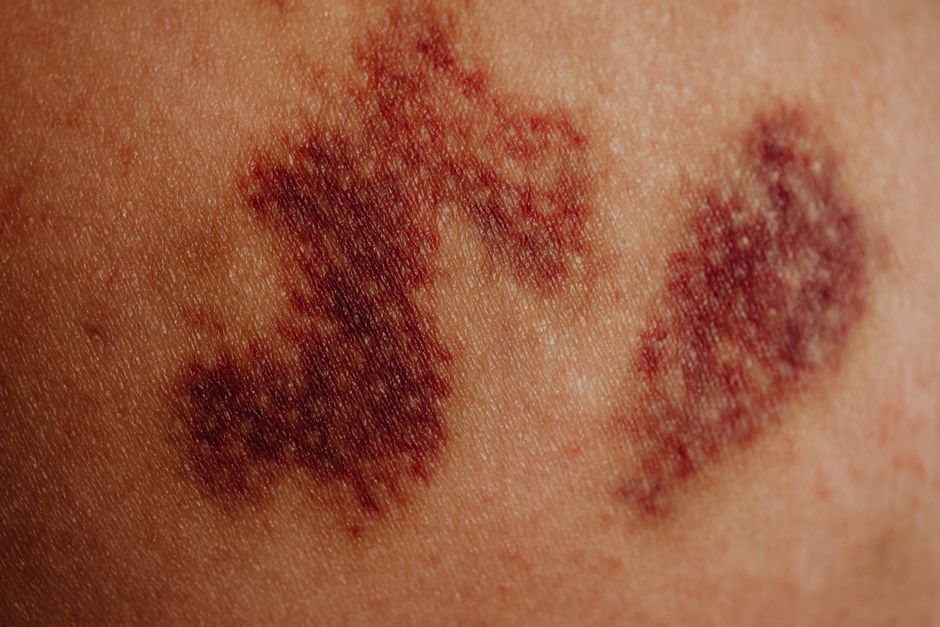
Random bruises on the legs are common in women, and most of the time they are not a sign of anything serious. The most frequent reasons are everyday bumps you barely notice, thinner skin and less subcutaneous fat on the shins, and the simple fact that women tend to bruise more easily than men. Hormones, medications, and some medical conditions can also play a role.
Why Do Females Get Random Bruises On Legs?
Women bruise more easily than men for reasons that are well understood. The main one is anatomy. The skin on the shins and lower legs is thin, and there is very little fat cushioning the bone underneath. A minor knock that would barely register on the thigh can break small blood vessels against the shinbone and leave a mark.
Hormones matter too. Estrogen and other female hormones influence the strength and flexibility of capillary walls. This is not a flaw — it is a normal physiological difference. But it does mean capillaries in women tend to rupture under less pressure than they do in men.
Then there is the practical side. Shaving, crossing your legs, carrying groceries against your thigh, and bumping into furniture all create small traumas. Most of these are forgotten within seconds. The bruise shows up a day or two later, which is why it feels random.
There is one detail worth knowing that surprises most people. A bruise often does not appear immediately. Bleeding under the skin takes time to surface and become visible. So the bruise you notice today may be from something you did yesterday or even earlier.
How Does a Bruise Actually Form?
A bruise is bleeding under the skin. When small blood vessels called capillaries break, blood leaks into the surrounding tissue. The body then breaks down and reabsorbs that blood over time.
This process explains the color changes. Fresh blood under the skin looks red or purple. As the body breaks down hemoglobin, the bruise shifts to blue, then green, then yellow, and finally fades. These stages are normal and expected.
The medical term for a bruise is a contusion or hematoma. Most are harmless. What matters clinically is not the color but the pattern — where bruises appear, how often, and whether they come with other symptoms.
What Everyday Causes Lead to Leg Bruises?
The most common causes are so ordinary they are easy to overlook. Furniture corners, car doors, gym equipment, and pets account for many leg bruises. So does simply being active.
- Bumping into low objects like coffee tables and bed frames
- Shaving nicks and razor pressure on the shins
- Crossing your legs for long periods, which presses on small vessels
- Carrying bags or boxes against your thighs
- Exercise, especially running and contact sports
- Standing or walking on hard surfaces for long stretches
Age adds another layer. After roughly age 35, the skin thins and loses some of the cushioning layer beneath it. Blood vessel walls also become more fragile over time. This is a normal part of aging, not a disease.
Which Medications and Supplements Increase Bruising?
Some medications genuinely make bruising more likely, and this is well established. The most common are blood thinners and antiplatelet drugs. These include aspirin, warfarin, clopidogrel, and direct oral anticoagulants. Anyone on these should expect easier bruising.
NSAIDs like ibuprofen and naproxen can also increase bruising because they affect platelet function. So can corticosteroids, whether taken by mouth or applied to the skin for long periods.
Supplements are a murkier area. Fish oil, ginkgo, garlic, ginger, and high-dose vitamin E are often said to increase bleeding risk. The evidence here is limited and mostly based on how these substances affect platelets in lab studies. Some clinicians advise caution around surgery, but the real-world effect on everyday bruising is not well established. If you bruise more after starting a supplement, that timing is worth mentioning to a doctor.
When Could Bruising Signal a Medical Condition?
Most leg bruises are harmless. But certain patterns deserve medical attention. The key is not one bruise — it is a change in how easily you bruise or where bruises appear.
Bruises on the legs alone are rarely the first sign of a serious blood disorder. Bleeding disorders more often show up as frequent nosebleeds, bleeding gums, heavy periods, or bruises on the trunk and arms. Still, some conditions can increase bruising:
- Low platelet count — platelets help blood clot, and fewer of them means easier bleeding
- Clotting factor deficiencies — including von Willebrand disease, which is fairly common and often mild
- Liver disease — the liver makes clotting proteins, so liver problems can affect bleeding
- Vitamin deficiencies — severe vitamin C or vitamin K deficiency can affect vessel and clotting health
- Vasculitis — inflammation of blood vessels, which can cause raised or clustered spots
See a doctor if bruises appear without any injury, if they are large or getting bigger, if they cluster in unusual places, or if they come with fatigue, fever, weight loss, or bleeding from the gums or nose. A simple blood test can check platelet count and clotting.
How Can You Reduce Random Leg Bruising?
You cannot prevent every bruise, but you can lower the odds. The most effective steps target the everyday causes.
Keep pathways clear at home and add padding to sharp furniture corners. Wear long pants when working around equipment. Take care with shaving, and consider an electric razor if nicks are frequent.
If you take a blood thinner or NSAID, do not stop it on your own — talk to your prescriber first. For supplements, review them with a doctor or pharmacist, especially before surgery.
General lifestyle habits support blood vessel health. Not smoking, staying active, and eating a balanced diet with enough vitamin C and vitamin K are reasonable steps. Vitamin K is found in leafy greens like spinach and kale, and vitamin C in citrus, peppers, and tomatoes. These support normal clotting and vessel function, though no diet has been proven to eliminate easy bruising.
When Should You See a Doctor About Leg Bruises?
See a doctor if the bruising is new, worsening, or unexplained. A change from occasional shin bruises to frequent marks without injury is the kind of shift worth checking.
Also seek care if a bruise is unusually large, keeps expanding, or is painful and swollen. Bruises that appear alongside other bleeding — nosebleeds, bleeding gums, blood in stool or urine, or very heavy periods — should be evaluated.
For most women, random leg bruises are a normal part of having thinner skin, less leg padding, and hormones that affect capillary strength. Knowing the difference between ordinary bruising and a warning sign is what matters.
Frequently Asked Questions
Why do I get random bruises on my legs for no reason?
Most “random” bruises come from minor bumps you do not remember, made easier by thin skin and little fat on the shins. Women also bruise more easily than men due to capillary differences and hormones.
Are random leg bruises a sign of a serious illness?
Usually not. Bruises on the legs alone are rarely the first sign of a blood disorder, which more often causes nosebleeds, gum bleeding, or bruises on the trunk. See a doctor if bruising is new, worsening, or comes with other bleeding.
Can low iron or vitamin deficiency cause bruising?
Severe vitamin C or vitamin K deficiency can affect blood vessel and clotting health, but these are uncommon in people eating a varied diet. Low iron alone is not a typical cause of easy bruising.
Do blood thinners and supplements make leg bruising worse?
Blood thinners and NSAIDs are well-established causes of easier bruising. For supplements like fish oil, ginkgo, and high-dose vitamin E, the evidence is limited and mostly based on lab effects on platelets.
