
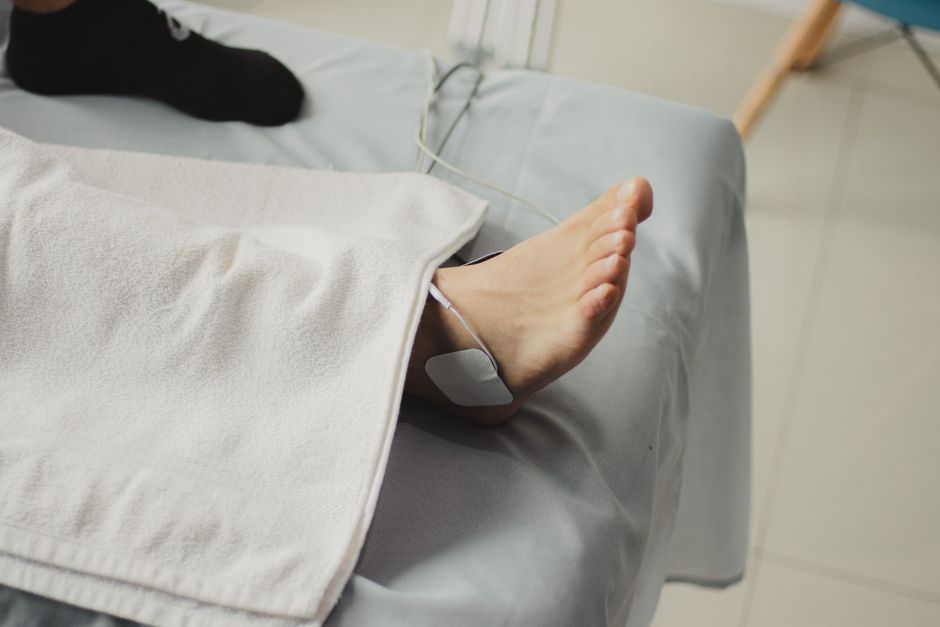
Edema is swelling caused by fluid trapped in your body’s tissues. The fastest way to reduce it depends on the cause, but the methods with the strongest evidence are elevating the swollen area, moving the affected muscles, wearing compression garments, and reducing sodium intake. If you have heart, kidney, or liver disease, treating the underlying condition is what actually resolves the swelling.
Below are eight approaches that research and clinical practice support. Some work in hours. Others take days or weeks. None of them replace a diagnosis.
What Actually Causes Edema?
Fluid balance in your body depends on a tug-of-war between pressure pushing fluid out of blood vessels and proteins pulling it back in. Edema happens when that balance breaks.
The most common mechanisms are increased capillary pressure (from heart failure or vein problems), low albumin levels (from liver or kidney disease), lymphatic blockage, and inflammation. Each one requires a different approach.
Dependent edema — swelling in the legs and feet — is the most common type. It happens because gravity pulls fluid downward, and your veins and lymphatic vessels have to work against it to return that fluid to your heart. When you sit or stand for long periods, that return system gets overwhelmed.
This is why edema is often a symptom, not a disease itself. Swollen ankles from a long flight are harmless. Swollen ankles from heart failure are a warning sign. The difference matters for how you treat it.
How To Get Rid Of Edema Fast: 8 Proven Methods
These methods are ranked roughly by how quickly they tend to work for common dependent edema. They are not a substitute for medical evaluation if the cause is unknown.
1. Elevate the Swollen Area Above Heart Level
Gravity is your most immediate tool. Raising the swollen limb above the level of your heart lets fluid drain back toward your central circulation without your veins having to fight gravity.
For leg swelling, lie down and prop your legs on pillows so your feet are higher than your hips. For arm swelling, rest your arm on pillows above shoulder height. Keep it there for 30 minutes or longer.
This works best for dependent edema. It will not help much if the swelling comes from heart failure or kidney disease, because the problem is not just gravity.
2. Move the Muscles in the Swollen Limb
Your calf muscles act as a pump. Every time you contract them, they squeeze the deep veins in your legs and push blood back toward your heart. This is called the skeletal muscle pump, and it is one of the most effective natural ways to move fluid.
Walk around for a few minutes every hour. If you cannot walk, do ankle pumps: point your toes down, then flex them up toward your shin. Repeat 10 to 20 times. Do this several times a day.
For arm swelling, open and close your fist repeatedly, or squeeze a soft ball. The movement does the work.
3. Wear Compression Stockings or Sleeves
Compression garments apply graded pressure to your limb — tighter at the bottom, looser at the top. This helps your veins and lymph vessels move fluid upward and prevents it from pooling.
Compression is well established for venous insufficiency and lymphedema. Your doctor can tell you what pressure level you need. Over-the-counter stockings are usually 15–20 mmHg or 20–30 mmHg. Higher pressures require a prescription and proper fitting.
Put them on first thing in the morning, before swelling builds up. If you wait until your legs are already swollen, they will be harder to put on and less effective.
4. Reduce Your Sodium Intake
Sodium makes your body hold onto water. When you eat a lot of salt, your kidneys retain fluid to keep your blood sodium concentration in a safe range. That extra fluid shows up as swelling.
Cutting back on sodium can reduce edema over several days to weeks. The strongest evidence is in people with heart failure and kidney disease, where sodium restriction is a standard part of care.
Most sodium in the American diet comes from processed and restaurant food, not the salt shaker. Check labels. Canned soups, deli meats, frozen dinners, and fast food are common sources.
How much sodium should you aim for? General guidance for adults is to keep sodium under 2,300 mg per day. If you have heart failure or kidney disease, your doctor may recommend a lower target. Ask before making big changes.
5. Get the Underlying Condition Treated
If your edema comes from heart failure, kidney disease, or liver disease, no amount of elevation or compression will fix it. The fluid is building up because your body’s regulatory systems are not working properly.
Heart failure is treated with diuretics and medications that reduce fluid retention. Kidney disease may require dialysis or medication adjustments. Liver disease may need dietary changes and treatment of the underlying cause.
This is not a “method” you can do at home. It is the most important step if you have a diagnosed condition. Without it, the other methods only manage symptoms.
6. Take Diuretics If Prescribed
Diuretics — often called water pills — make your kidneys excrete more sodium and water. They are the fastest medical treatment for edema caused by heart failure, kidney disease, or liver disease.
Common examples include furosemide, hydrochlorothiazide, and spironolactone. These are prescription medications. They are not appropriate for all types of edema. Taking a diuretic for swelling caused by venous insufficiency or lymphedema will not help and can cause dehydration or electrolyte problems.
Never take a diuretic without a prescription. If you have edema and are not sure why, see a doctor first.
7. Protect and Care for the Skin
Swollen skin stretches and becomes fragile. It tears easily, heals slowly, and is more prone to infection. This is especially true for lymphedema, where the fluid itself can harbor bacteria.
Wash the swollen area daily with mild soap and warm water. Dry it gently but thoroughly, including between the toes. Moisturize with a fragrance-free lotion to keep the skin from cracking.
Check for cuts, blisters, or redness every day. If you see signs of infection — warmth, redness spreading, fever — seek medical care promptly. Cellulitis can escalate quickly in a swollen limb.
8. Avoid Things That Make Swelling Worse
Some habits and conditions directly worsen edema. Standing or sitting still for hours lets fluid pool. Tight clothing or socks with elastic bands can restrict return flow. Heat can make blood vessels dilate and increase swelling.
If you sit for work, get up every hour. Avoid crossing your legs for long periods. Wear loose-fitting shoes and socks. If you are on your feet all day, consider compression stockings and elevate your legs during breaks.
Some medications can cause edema as a side effect. Calcium channel blockers, certain diabetes drugs, and some antidepressants are common culprits. Do not stop any medication on your own. Talk to your doctor about alternatives if you suspect a medication is causing swelling.
When Should You See a Doctor for Edema?
See a doctor promptly if the swelling comes on suddenly, affects only one leg, or is accompanied by chest pain, shortness of breath, or difficulty breathing. These can be signs of a blood clot or heart failure.
Also seek care if the swelling is severe, painful, or does not improve with elevation and rest. Swelling that comes with weight gain, fatigue, or changes in urination may point to kidney or liver problems.
Mild ankle swelling after a long day on your feet is usually not dangerous. But new swelling in someone with a history of heart, kidney, or liver disease should always be evaluated.



Can You Prevent Edema From Coming Back?
Prevention depends on the cause. For dependent edema, the same methods that treat it also prevent it — regular movement, elevation, compression, and sodium control.
If you have chronic venous insufficiency, compression stockings may be a daily necessity. If you have lymphedema, ongoing therapy with a trained lymphedema specialist can keep it managed.
For edema linked to heart, kidney, or liver disease, prevention means staying on your treatment plan and following your doctor’s guidance on fluid and sodium intake.
Frequently Asked Questions
How long does it take to get rid of edema?
Mild dependent edema from sitting or standing often improves within 30 minutes to a few hours of elevation and movement. Edema from heart, kidney, or liver disease takes longer and depends on treating the underlying condition.
Does drinking more water help with edema?
Drinking water does not directly flush out excess fluid, but staying hydrated supports normal kidney function. The evidence for increased water intake reducing edema is limited, and in some conditions, fluid restriction is what doctors recommend instead.
Can walking reduce swollen ankles?
Yes, walking activates the calf muscle pump, which helps push fluid out of your legs and back toward your heart. It is one of the most effective non-medical methods for dependent edema.
What is the fastest way to reduce swelling in the legs?
Elevating your legs above heart level while doing ankle pumps combines two effective methods at once. If you have a diagnosed condition like heart failure, you also need medical treatment to address the cause.
