
Leg muscle tension is usually the result of a muscle that has stayed slightly contracted for too long. The fastest way to release it is to move the muscle through its full range, apply sustained pressure or heat to the tight area, and then address whatever caused the tension in the first place. Stretching alone often fails because a stretched muscle can tighten again within minutes if the underlying trigger is still there.
Most leg tightness is not a sign that your muscles are too short. It is a sign that your nervous system has told them to stay switched on. That distinction changes what actually works.
What Actually Causes Muscle Tension In Your Legs?
Muscle tension happens when a muscle stays in a low-level contraction longer than it should. Your nervous system controls this. Muscles do not tighten on their own.
Every muscle has a resting tone set by signals from the brain and spinal cord. When those signals stay elevated, the muscle feels hard, tight, or achy. This is a normal physiological response, not damage.
Common triggers include:
- Sitting for long periods, which keeps hip flexors and hamstrings in a shortened position
- Dehydration or low electrolyte levels, particularly magnesium and potassium
- Repetitive exercise without adequate recovery
- Poor sleep, which raises baseline nervous system activity
- Stress, which increases muscle tone throughout the body
- Certain medications, including some statins and diuretics
- Underlying conditions such as thyroid disorders or nerve compression
The most overlooked cause is simple inactivity. A muscle that stays in one position for hours will feel tight when you finally move it. That tightness is often a circulation and nervous system issue, not a structural one.
This matters because it explains why passive stretching gives only temporary relief. You are not lengthening a shortened muscle. You are briefly quieting an overactive signal.
How To Release Muscle Tension In Your Legs With Movement
Movement is the most effective way to reduce leg muscle tension. It works by restoring normal blood flow and resetting the signals that keep muscles contracted.
The key is to move the muscle through its full range, not to hold it in a stretched position. Slow, controlled motion tells your nervous system the muscle is safe to relax.
Try these approaches:
- Walking for 10 to 20 minutes at a comfortable pace. This alternates contraction and relaxation in the calf, thigh, and hip muscles.
- Leg swings forward and back, then side to side, holding a wall for balance. Aim for 10 to 15 controlled swings per leg.
- Slow calf raises through a full range, pausing at the top and bottom.
- Hip circles while standing, moving slowly enough to feel the range.
Movement works best when it is regular rather than intense. A short walk every hour during a workday often does more for leg tension than one long stretch session.
If you have been inactive, start with less than you think you need. Muscle that has not moved much responds better to gentle, frequent motion than to a single hard session.
Does Stretching Actually Help Tight Leg Muscles?
Stretching helps, but not in the way most people assume. It does not permanently lengthen a muscle. Research on stretching has consistently found that the immediate feeling of looseness comes mostly from changes in how the muscle senses tension, not from the tissue physically getting longer.
That said, the relief is real. A study published in the Scandinavian Journal of Medicine & Science in Sports found that regular stretching increased tolerance to stretch, which is why the muscle feels less tight afterward.
Static stretching works best when held for 15 to 60 seconds per muscle group, after the muscle is already warm. Stretching a cold muscle is less effective and more likely to cause discomfort.
What stretching does not do is fix the reason the muscle tightened in the first place. If you sit all day and only stretch for two minutes, the tension returns. Stretching is a useful tool, not a complete solution.
Dynamic stretching, which involves controlled movement rather than holding a position, tends to work better before activity. Static stretching works better after.





Can Heat, Massage, Or Foam Rolling Release Leg Tension?
Heat, massage, and foam rolling all reduce the feeling of tension. They work through similar mechanisms: they change blood flow and calm the nerve signals that keep a muscle contracted.
Heat relaxes muscle tissue and increases circulation. A warm shower, heating pad, or warm bath for 10 to 15 minutes can reduce tightness, particularly in the calves and thighs.
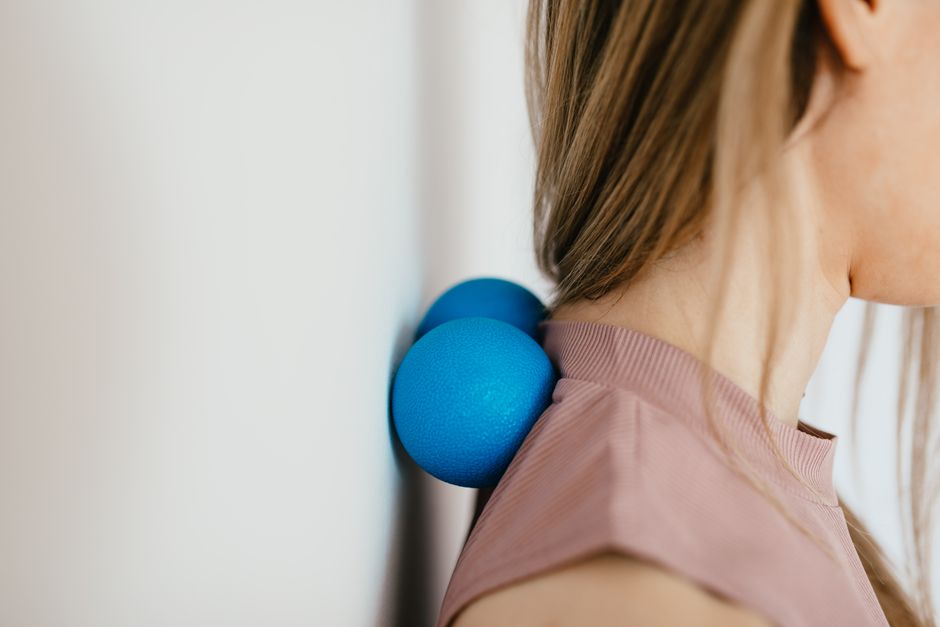
Massage and foam rolling apply pressure that temporarily reduces muscle tone. Foam rolling for 30 to 60 seconds per area is a common approach. The effect is real but short-lived, often lasting minutes to a few hours.
One clarification worth knowing: foam rolling does not break up scar tissue or “release” fascia in the way it is often marketed. The pressure affects the nervous system and local blood flow. That is enough to feel a difference, but the mechanism is not what most product marketing claims.
These tools work best as a complement to movement, not a replacement for it. Using heat or a roller and then sitting still for the rest of the day will not resolve ongoing tension.
When Does Leg Tension Signal Something More Serious?
Most leg tightness is harmless and responds to movement, rest, and hydration. Some patterns need medical attention.
Seek medical care if you notice:
- Sudden swelling in one leg, especially with warmth, redness, or pain
- Tightness that comes with chest pain or shortness of breath
- Cramping that does not improve with stretching, hydration, or rest
- Weakness, numbness, or loss of sensation
- Tension that began after starting a new medication
Sudden one-sided leg swelling can be a sign of a deep vein clot, which is a medical emergency. This is different from ordinary muscle tightness and should be evaluated right away.
Persistent cramping that does not respond to usual measures can also reflect electrolyte imbalances, thyroid problems, or circulation issues. These are worth checking with a doctor rather than managing on your own.
Some medications, including certain cholesterol-lowering drugs, can cause muscle pain and tightness. If leg tension started after a new prescription, mention it to your prescriber.
What Daily Habits Prevent Leg Tension From Coming Back?
Preventing leg tension comes down to not letting muscles stay in one position for too long. The body is built for movement, and long static periods are the most common trigger.
Practical habits that help:
- Stand and move for a few minutes every 30 to 60 minutes
- Drink enough water throughout the day
- Include foods with magnesium and potassium, such as leafy greens, bananas, and beans
- Warm up before exercise and cool down after
- Get regular sleep, since recovery happens mostly overnight
- Manage stress, which directly raises muscle tone
Sleep deserves attention here. Muscle recovery and nervous system reset happen largely during sleep. Chronic poor sleep keeps baseline muscle tone higher, which is one reason tension builds in people who feel otherwise healthy.
Hydration and electrolytes matter too, but the evidence for routine magnesium supplementation in people without a deficiency is limited. Food sources are the safer starting point unless a doctor recommends otherwise.
If tension keeps returning despite these habits, the next step is looking at the cause rather than treating the symptom. A physical therapist or doctor can help identify whether posture, a medication, or an underlying condition is driving it.
Frequently Asked Questions
How do I release tight muscles in my legs quickly?
Walk for 10 to 20 minutes and follow with slow leg swings and a warm shower. Movement restores blood flow and calms the nerve signals keeping the muscle contracted, which is what produces the feeling of release.
Does stretching get rid of leg muscle tension for good?
No. Stretching reduces the feeling of tightness by increasing your tolerance to stretch, but it does not fix the cause. If you sit for long periods or stay dehydrated, the tension returns.
Why do my legs feel tight even when I do not exercise?
Long periods of sitting, poor sleep, stress, dehydration, and some medications can all raise muscle tone without any exercise involved. Inactivity is one of the most common causes.
When should I worry about tightness in my legs?
See a doctor if tightness comes with sudden one-sided swelling, weakness, numbness, or does not improve with rest and movement. Sudden swelling in one leg can signal a blood clot and needs urgent care.
