
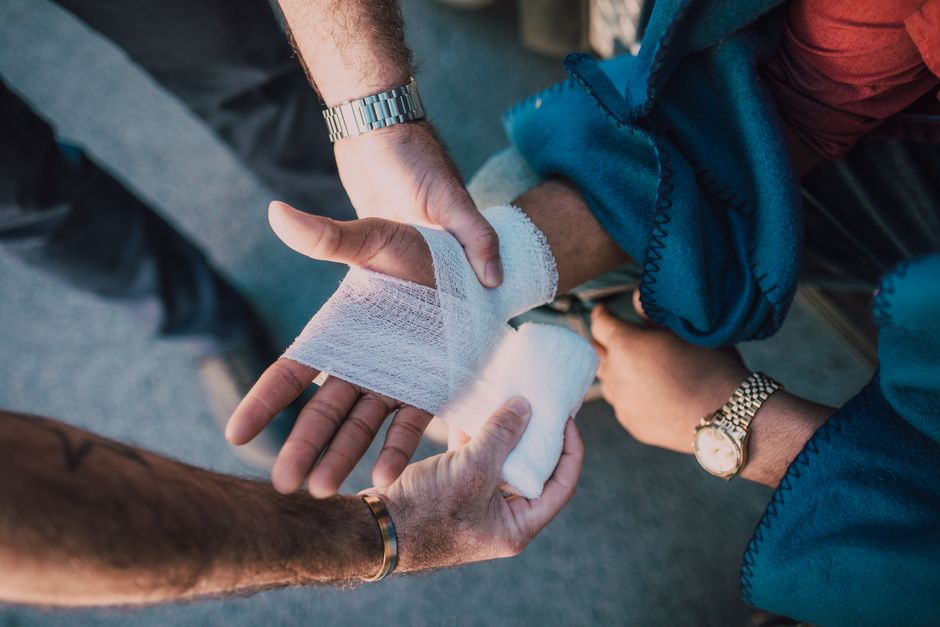
No, you should not change most bandages every day. For a simple cut or scrape, changing a bandage every one to three days is usually enough, and some minor wounds do fine with a fresh dressing every few days. The right schedule depends on the wound type, how much fluid it produces, and whether it looks clean and dry.
Changing a dressing too often can pull at healing tissue and waste supplies. Changing it too rarely raises the risk of infection and skin damage. The goal is to keep the wound clean, slightly moist, and protected without disturbing it more than needed.
Should I change my bandage every day?
For a minor cut or scrape, daily changes are usually more than needed. A small wound that is clean and not oozing much can keep the same adhesive bandage or simple dressing for a few days, as long as it stays dry and intact.
There are clear exceptions. You should change a bandage right away if it gets wet, dirty, or loose. You should also change it if fluid soaks through, or if the wound starts to look more red, swollen, or painful.
Larger wounds, surgical incisions, and wounds that drain fluid need more frequent attention. In those cases, a clinician’s instructions should guide the schedule, not a general rule.
The one-to-three-day range is a practical starting point, not a fixed rule for every situation. A bandage that is doing its job — staying clean, dry, and in place — does not need to be swapped just because a day has passed.
Why does changing a bandage too often cause problems?
Healing tissue is fragile, especially in the first few days. Pulling a dressing off repeatedly can strip away new skin cells and reopen the wound edge. It can also irritate the healthy skin around the wound, particularly with strong adhesives.
Each change also exposes the wound to the air and to whatever is on your hands or in the environment. That is a small risk with good technique, but it adds up if you are changing a dressing several times a day for no reason.
There is a balance to strike. A dressing left on too long can become saturated, trap moisture, and allow bacteria to multiply. The right answer sits between changing too often and leaving a soiled dressing in place.
How often should you change different types of bandages?
The schedule depends on the dressing and the wound. Below is a general guide for common situations. A clinician’s specific instructions always take priority over these general ranges.
- Standard adhesive bandage on a minor cut: change when it gets wet, dirty, or starts to peel — often every one to three days.
- Simple gauze dressing on a small wound: change when it becomes soiled or damp, typically every one to two days.
- Surgical incision: follow the surgeon’s instructions; many are checked within the first few days and then left alone if clean and dry.
- Wound producing fluid or drainage: change more often, sometimes daily, and sooner if fluid soaks through.
- Film or hydrocolloid dressings: these can often stay in place for several days unless they leak, lift, or become soiled.
These are general ranges, not fixed rules. A wound that is healing well and staying dry may need fewer changes than the list suggests.



What are the signs a bandage needs changing right away?
Do not wait for a scheduled change if the bandage is no longer doing its job. Change it promptly if any of the following happen:
- Fluid or blood soaks through to the outside.
- The bandage gets wet, dirty, or comes loose.
- The adhesive fails and the dressing shifts.
- The wound looks more red, swollen, warm, or painful than before.
- You notice pus, a bad smell, or increasing drainage.
Some redness at the wound edge can be normal early on. Spreading redness, increasing pain, or fever are different — those are reasons to seek medical advice rather than just change the bandage.
How do you change a bandage safely?
Good technique matters as much as timing. Clean hands and gentle handling protect the wound during every change.
- Wash your hands with soap and water before and after.
- Remove the old dressing slowly, working along the skin rather than pulling up.
- Clean the wound as your clinician advised, if advised at all.
- Apply a fresh dressing that covers the wound fully and sits flat.
- Do not touch the part of the dressing that will contact the wound.
For most minor wounds, gentle washing with mild soap and water is enough. Avoid harsh antiseptics unless a clinician recommends them, since some can irritate healing tissue.
When should you leave a bandage on longer?
Some wounds heal best when left undisturbed. Clean surgical incisions, small abrasions that have already formed a scab, and wounds covered with advanced dressings often do better with less frequent changes.
If a dressing is clean, dry, and staying in place, there is usually no need to remove it early. The exception is when a clinician has given you a specific schedule to follow.
It’s also worth knowing that a little moisture at the wound surface supports healing better than a completely dry wound. That is one reason modern dressings are often left in place for several days rather than swapped daily.
When should you ask a clinician about bandage changes?
Some wounds need professional guidance rather than a general routine. Ask a clinician about the right schedule if you have:
- A deep, large, or puncture wound.
- A wound from an animal bite or a dirty object.
- Diabetes, poor circulation, or a weakened immune system.
- A wound that is not improving after several days.
- Signs of infection such as spreading redness, warmth, pus, or fever.
People with diabetes or circulation problems may heal more slowly and are at higher risk of complications. For them, a clinician’s advice on wound care and dressing changes is especially important.
Frequently Asked Questions
Can I leave a bandage on for 2 days?
Yes, for many minor cuts and scrapes a clean, dry bandage can stay on for up to two or three days. Change it sooner if it gets wet, dirty, or loose.
What happens if you don’t change your bandage every day?
For a minor wound, nothing bad usually happens if the bandage stays clean and dry. Leaving a soiled or wet bandage on too long can raise the risk of infection or skin irritation.
Should I change my bandage every day if it’s not dirty?
No, a clean, dry bandage that is staying in place does not need daily changing. Swap it when it becomes soiled, wet, loose, or when your clinician tells you to.
How often should a surgical wound bandage be changed?
Follow your surgeon’s instructions, since schedules vary by procedure. Many clean incisions are left covered for the first few days and then checked rather than changed daily.
