
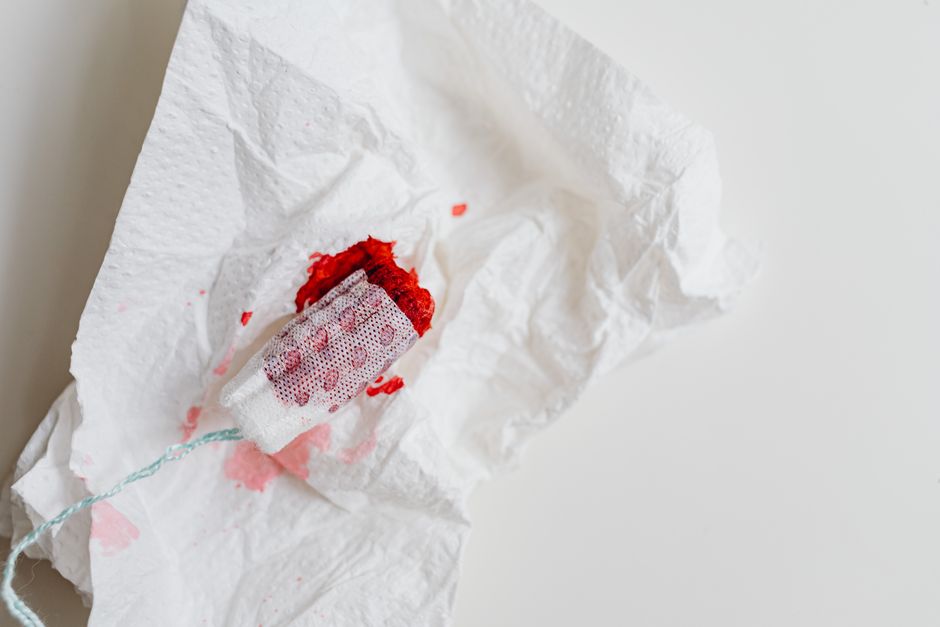
Most minor cuts and scrapes stop bleeding on their own within a few minutes. If you need to help the process along, the most effective method is direct pressure with a clean cloth or gauze. Hold firm pressure without peeking for a full 10 to 15 minutes. This allows your blood to clot naturally. Do not lift the cloth to check if the bleeding has stopped — you will disrupt the clot and start the bleeding all over again. If blood soaks through, add another layer on top and keep pressing.
How Does Direct Pressure Actually Stop Bleeding?
Your body has a built-in system for stopping blood loss. When a blood vessel gets cut, the vessel walls squeeze shut. Platelets in your blood rush to the site and stick together, forming a temporary plug. This process is called hemostasis. Direct pressure helps by slowing blood flow long enough for that plug to form and harden into a stable clot.
The pressure also helps the torn edges of the blood vessel come closer together. This makes it easier for the body to seal the gap. Research published in the Journal of Trauma and Acute Care Surgery confirms that sustained pressure is the single most effective first-aid method for external bleeding. The key word is “sustained.” Fifteen minutes of uninterrupted pressure works far better than five rounds of thirty-second checks.
Many people stop pressing too early. They see the bleeding slow down and assume it has stopped. Then the wound reopens and bleeds again. If you are using a timer, set it for fifteen minutes and do not touch the wound until the timer goes off.
What Is the Correct Way to Apply a Bandage After Bleeding Stops?
Once the bleeding has stopped, you want to protect the wound without causing it to bleed again. Use a sterile adhesive bandage or gauze pad. Place it directly over the wound. Apply gentle but firm pressure as you secure it with medical tape or the bandage’s adhesive edges. The goal is to keep the wound edges closed, not to cut off circulation.
Do not wrap a bandage so tightly that your finger or toe turns white or blue. That can cause tissue damage. A properly applied bandage should feel snug but comfortable. Change the bandage once a day or whenever it gets wet or dirty. Keep the wound clean and dry to prevent infection.
For larger scrapes, a non-stick pad works better than regular gauze. Regular gauze can stick to the wound and pull the clot off when you remove it. That causes bleeding to start again. If the bandage does stick, soak it in warm water for a few minutes before gently peeling it off.
When Should You Use a Styptic Pencil or Powder?
Styptic pencils and powders contain aluminum sulfate or similar compounds. They work by contracting blood vessels and helping blood clot faster. These products are most useful for small cuts, razor nicks, and shaving accidents. They are not designed for deep wounds or heavy bleeding.
To use a styptic pencil, wet the tip with water and press it directly onto the bleeding spot for a few seconds. It will sting briefly. The bleeding should stop almost immediately. Styptic powder works the same way. Sprinkle a small amount onto the wound and press with a clean cloth for a minute.
Some people report that styptic products work well for nosebleeds and minor lip cuts. Strong evidence for their effectiveness in these situations is limited. Most clinical guidance still recommends direct pressure as the first-line treatment. Styptics are a reasonable second option for very small wounds where pressure alone is not working quickly enough.




Does Ice Help Stop Bleeding?
Ice can help reduce swelling and numb pain, but it does not directly stop bleeding. Cold temperatures cause blood vessels to constrict, which may slow blood flow slightly. This effect is mild and temporary. Ice is not a substitute for direct pressure.
If you want to use ice, wrap it in a thin cloth and apply it around the wound, not directly on it. Do not press ice into an open cut. That can damage tissue and delay healing. Use ice for ten minutes at a time with breaks in between. The main benefit of ice after a cut is reducing bruising and inflammation, not stopping blood loss.
A study in the American Journal of Emergency Medicine found that cold application did not significantly reduce bleeding time in minor cuts compared to pressure alone. This aligns with general first-aid guidelines from the American Red Cross. Ice is fine to use, just do not expect it to do the work of pressure.
What About Elevation — Does Lifting the Wound Help?
Elevating a bleeding wound above the level of your heart reduces blood flow to that area. This can help slow bleeding, especially from a hand or foot. Gravity pulls blood away from the wound, giving the clot a better chance to form. The effect is real but modest.
Elevation works best when combined with direct pressure. If you have a bleeding finger, raise your hand above your head while pressing on the cut. Do not rely on elevation alone. It will not stop heavy bleeding by itself. The American College of Surgeons recommends elevation as a supportive measure, not a primary treatment.
For wounds on the leg, lying down and propping the leg up on pillows works well. For arm wounds, sit down and rest your arm on a stack of pillows or the back of a chair. Keep the wound elevated for at least fifteen to twenty minutes after the bleeding stops to help prevent rebleeding.
What Common Mistakes Make Bleeding Worse?
The most common mistake is checking the wound too often. Every time you lift the bandage, you tear the forming clot. This resets the clock and can turn a five-minute bleed into a thirty-minute one. Do not peek. Set a timer and wait.
Another mistake is using hydrogen peroxide or alcohol to clean the wound while it is still bleeding. These substances kill bacteria, but they also damage healthy tissue and break down blood clots. Wait until the bleeding has fully stopped before cleaning the wound. Use mild soap and water instead.
Removing embedded objects is also dangerous. If a piece of glass, wood, or metal is stuck in the wound, leave it there. Pulling it out can cause more bleeding. Apply pressure around the object and seek medical care. The same goes for deep wounds that gush blood or do not stop after fifteen minutes of firm pressure.
How To Stop A Quick From Bleeding At Home — A Practical Summary
Here is a clear step-by-step approach based on current first-aid guidelines from the American Red Cross and Stop the Bleed training programs.
- Apply direct pressure. Use a clean cloth, gauze, or bandage. Press firmly and do not lift for 15 minutes.
- Keep the wound still. Movement can disrupt the clot. Rest the injured area.
- Elevate if possible. Raise the wound above heart level while maintaining pressure.
- Add layers if needed. If blood soaks through, place another cloth on top. Do not remove the first one.
- Bandage gently once bleeding stops. Secure the dressing without cutting off circulation.
- Know when to get help. If bleeding does not stop after 15 minutes of steady pressure, or if the wound is deep, large, or has an embedded object, go to an emergency room.
How Do Different Bleeding Control Methods Compare?
| Method | How It Works | Best For | Evidence Level |
|---|---|---|---|
| Direct pressure | Slows blood flow, allows clot formation | All minor to moderate external bleeding | Strong — supported by all major first-aid organizations |
| Elevation | Reduces blood flow via gravity | Hand, arm, foot, and leg wounds | Moderate — helpful as a supplement |
| Ice | Constricts blood vessels mildly | Reducing swelling, not stopping bleeding | Weak for bleeding — effective for pain and bruising |
| Styptic products | Chemical contraction and clotting | Small cuts, razor nicks, shaving accidents | Moderate — works for very minor wounds |
| Tourniquet | Stops all blood flow to limb | Severe, life-threatening bleeding only | Strong — but only for emergencies, not home use |
Can Certain Medical Conditions Affect Bleeding?
Yes. People who take blood thinners like warfarin, apixaban, or rivaroxaban may bleed longer than normal. Aspirin and ibuprofen also thin the blood and can prolong bleeding. If you take any of these medications, expect minor cuts to take longer to stop. Apply pressure for at least twenty minutes instead of fifteen.
People with bleeding disorders such as hemophilia or von Willebrand disease should treat even small cuts with extra caution. Direct pressure still works, but you may need to hold it longer. The National Hemophilia Foundation recommends having a first-aid plan in place and knowing when to go to the emergency room. A cut that would stop in five minutes for most people may take an hour or more.
Liver disease can also affect bleeding because the liver produces many of the proteins needed for clotting. If you have cirrhosis or other liver conditions, minor wounds can bleed more than expected. Keep a first-aid kit with extra gauze and medical tape handy. Do not hesitate to seek medical care if bleeding does not stop within twenty minutes.
What Is the Role of Hemostatic Dressings at Home?
Hemostatic dressings contain agents like kaolin or chitosan that actively promote clotting. They were developed for military and emergency medical use. Some are now available over the counter for home first-aid kits. Products like QuikClot and Celox are examples.
These dressings are not necessary for routine paper cuts or scrapes. They are designed for wounds that bleed heavily and do not stop with standard pressure. If you have a deep cut or a wound that keeps bleeding after fifteen minutes of pressure, a hemostatic dressing may help. Press it into the wound and hold firm pressure for three to five minutes.
The FDA has cleared several hemostatic dressings for over-the-counter use. They are generally safe when used as directed. Do not use them on minor cuts, as they can cause irritation and delay healing. Keep them in your kit for emergencies only. For most household injuries, plain gauze and pressure are all you need.
Frequently Asked Questions
How long should I apply pressure to a bleeding cut?
Apply steady, firm pressure for a full 15 minutes without lifting the cloth to check. If bleeding continues after 15 minutes, seek medical attention.
Can I use a bandage to stop bleeding?
Yes, but only after the bleeding has stopped. Apply the bandage snugly to keep the wound closed and protect the clot. Do not wrap it too tight.
Does putting butter or toothpaste on a cut stop bleeding?
No. These are old home remedies with no evidence behind them. They can introduce bacteria into the wound and cause infection. Stick to clean pressure and bandages.
When should I go to the ER for a bleeding wound?
Go to the emergency room if bleeding does not stop after 15 minutes of steady pressure, if the wound is deep or gaping, if you cannot remove debris, or if you feel faint or dizzy.
