
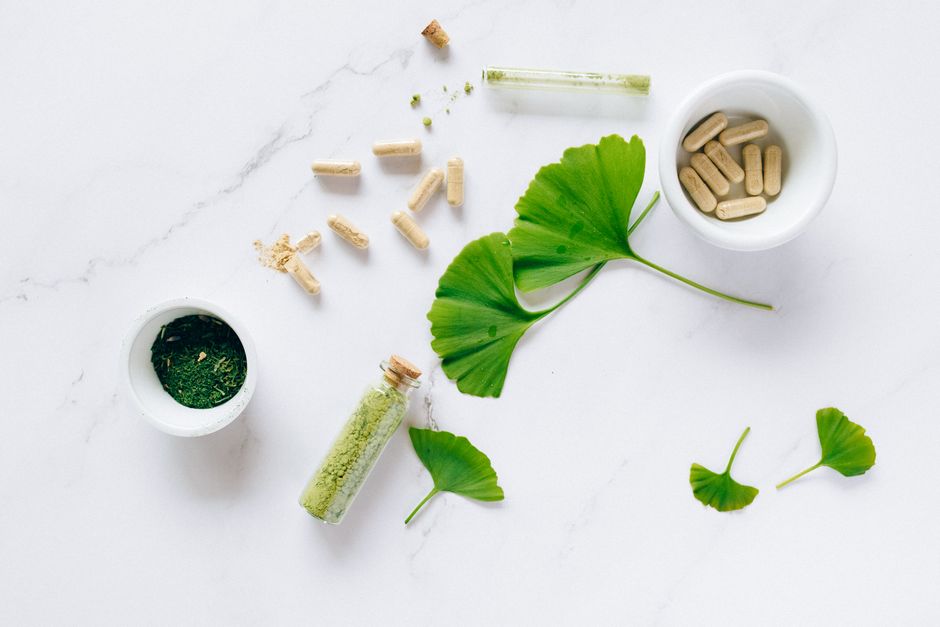
For blood sugar support, most studies use 200 to 400 milligrams of Gymnema sylvestre extract per day, standardized to contain 25% gymnemic acids. This amount is typically split into two doses taken before meals. However, the right dose for you depends on the specific product, your health status, and why you are taking it. There is no one-size-fits-all answer, and starting with the lowest effective dose is always the safest approach.
What Is Gymnema Sylvestre and How Does It Work?
Gymnema sylvestre is a woody climbing plant native to India and Africa. Its leaves have been used in Ayurvedic medicine for centuries, primarily to help manage blood sugar. The active compounds are called gymnemic acids.
These molecules have a unique structure. They are similar in shape to glucose molecules. When you take Gymnema before eating, the gymnemic acids can bind to sugar receptor sites on your tongue and in your intestines. This blocks some sugar absorption and can reduce the sweet taste of food. The effect is temporary but real.
Research published in the Journal of Clinical Biochemistry and Nutrition found that Gymnema sylvestre also appears to help regenerate insulin-producing beta cells in the pancreas in animal studies. Human studies are less clear on this specific point, but the blood sugar lowering effect is well documented.
How Much Gymnema Sylvestre Should I Take for Blood Sugar Control?
Clinical trials have used a fairly consistent dosing range. For adults with type 2 diabetes, the typical dose is 200 to 400 mg of a standardized extract taken once or twice daily. Standardization is important here. You want a product guaranteed to contain at least 25% gymnemic acids.
A 2017 review in the Journal of Alternative and Complementary Medicine looked at multiple studies. It found that doses of 400 mg per day of standardized extract were effective for reducing fasting blood sugar and HbA1c levels. Some studies used doses as high as 800 mg per day, but the extra benefit was small and the risk of digestive side effects increased.
If you are using a raw leaf powder rather than an extract, the dose is much higher. Typical recommendations for raw powder are 2 to 4 grams per day. But raw powder is less consistent in potency. Standardized extracts are generally preferred for reliable results.
| Form of Gymnema Sylvestre | Typical Daily Dose | Active Compounds |
|---|---|---|
| Standardized extract (25% gymnemic acids) | 200 – 400 mg | Gymnemic acids |
| Raw leaf powder | 2 – 4 grams | Variable levels |
| Liquid tincture | 30 – 60 drops (1-2 ml) | Gymnemic acids in alcohol solution |
What Does Research on Gymnema Sylvestre Dosing Show?
The strongest evidence comes from a 2013 randomized controlled trial published in Diabetes Care. Researchers gave 400 mg of Gymnema sylvestre extract per day to people with type 2 diabetes. After 18 to 20 months, participants showed significant reductions in blood sugar levels. Some were even able to reduce their prescription diabetes medication under medical supervision.
Another study from Phytomedicine tested a dose of 500 mg of extract twice daily. This higher dose did not produce better results than the 400 mg daily dose used in other trials. This suggests there is a ceiling effect. Taking more does not necessarily mean better control.
What about people without diabetes? Some research has looked at Gymnema for weight management or sugar cravings. A small study in Appetite found that a single 200 mg dose taken before a meal reduced the desire for sweet foods in healthy adults. This effect lasted about 30 to 60 minutes. The evidence for long-term weight loss is much weaker.
Evidence is moderate overall. The blood sugar effects are real and supported by multiple human trials. The effects on cravings are real but short-lived. The claims about pancreatic regeneration come from animal studies only and should not be overstated.



What Are the Side Effects and Safety Concerns?
Gymnema sylvestre is generally well tolerated. The most common side effects are digestive. Some people report nausea, stomach upset, or mild diarrhea when starting the supplement. These effects usually go away after a few days.
The biggest safety concern is hypoglycemia. If you take Gymnema alongside diabetes medications like insulin or sulfonylureas, your blood sugar can drop too low. The CDC warns that any supplement that lowers blood sugar can interact with prescription diabetes drugs. You must monitor your blood sugar closely if you combine them.
Other reported side effects include headache and mild dizziness. These are rare and usually linked to taking too high a dose too quickly. There is no clinical evidence of serious organ damage from Gymnema at recommended doses. Long-term safety data beyond two years is limited.
Pregnant and breastfeeding women should avoid Gymnema sylvestre. There is not enough safety research in these groups. People with liver or kidney conditions should also consult a doctor before taking it.
How to Choose a Quality Gymnema Sylvestre Supplement
Not all Gymnema products are the same. The supplement market is poorly regulated in the United States. The FDA does not verify the contents or potency of dietary supplements before they are sold. This means you need to be an informed buyer.
Look for these things on the label:
- Standardized to 25% gymnemic acids. This is the most studied concentration. Products without this guarantee may contain very little active compound.
- Third-party testing seal. Look for certifications from USP, NSF International, or ConsumerLab. These organizations independently test for purity and potency.
- No unnecessary fillers. Avoid products with long lists of inactive ingredients, artificial colors, or proprietary blends that hide the actual dose of Gymnema.
Many popular Gymnema products are sold as capsules or tablets. Capsules are easier to dose accurately than powders. If you buy powder, use a milligram scale. Kitchen measuring spoons are not accurate enough for doses in the 200 to 400 mg range.
Common Misconceptions About Gymnema Sylvestre
A common myth is that Gymnema sylvestre can cure diabetes. This is false. No supplement cures diabetes. Gymnema can help manage blood sugar levels, but it does not replace diet, exercise, or prescribed medication. The American Diabetes Association does not endorse any supplement as a replacement for standard diabetes care.
Another misconception is that higher doses work faster or better. As discussed earlier, the evidence shows a ceiling effect around 400 mg per day of standardized extract. Taking 800 mg or more does not produce better results and increases the risk of side effects.
Some people believe Gymnema works instantly. It does not. The effect on sugar cravings is noticeable within minutes, but the effect on blood sugar takes days to weeks of consistent use. Blood sugar changes are gradual and require patience.
A final myth is that all Gymnema products are the same. They are not. Raw leaf powder, standardized extracts, and tinctures all have different potencies. A product labeled “Gymnema sylvestre” without any standardization information is a gamble. You have no way of knowing how much active ingredient you are getting.
Frequently Asked Questions
Can I take Gymnema sylvestre on an empty stomach?
It is best taken before meals to block sugar absorption. Taking it on an empty stomach may increase the risk of digestive upset.
How long does it take for Gymnema sylvestre to lower blood sugar?
Most people see noticeable changes in fasting blood sugar within two to four weeks of consistent use. Full effects on HbA1c may take three months.
Can I take Gymnema sylvestre with metformin?
Yes, but only under medical supervision. The combination can lower blood sugar more than either alone, raising the risk of hypoglycemia.
Is Gymnema sylvestre safe for long-term use?
Studies have used it safely for up to two years. Long-term safety data beyond that is not available. Periodic breaks from use are reasonable.
