
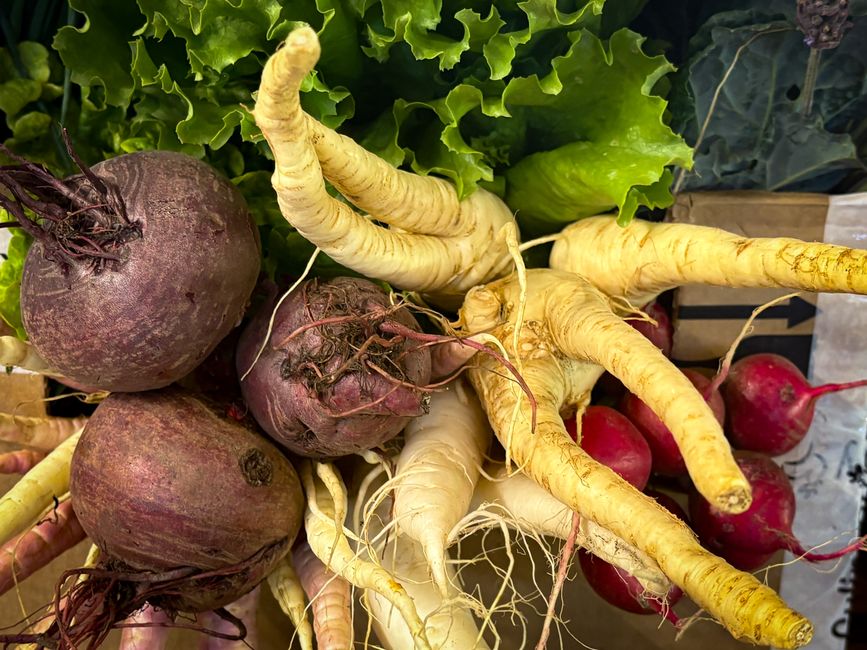
Root vegetables are the edible underground parts of plants, including taproots like carrots, tuberous roots like sweet potatoes, and bulbs like onions. They store energy for the plant, which makes them dense with nutrients and often naturally sweet or earthy in flavor. Unlike leafy greens that grow above ground, root veggies develop their bulk beneath the soil, making them a hearty, shelf-stable food source that has fed humans for thousands of years. Think of potatoes, carrots, beets, turnips, radishes, and parsnips — these are the staples you will find in any grocery store or farmers market.
What Are Root Veggies and Why Should You Eat Them?
Root vegetables are packed with vitamins, minerals, and fiber. Carrots are famous for beta-carotene, which your body turns into vitamin A. Beets provide nitrates that support blood flow. Sweet potatoes give you vitamin C, potassium, and fiber. Potatoes, when eaten with the skin, are a solid source of potassium and vitamin C.
One key benefit is their fiber content. Fiber slows digestion, keeps blood sugar stable, and feeds the good bacteria in your gut. The CDC reports that only about 5% of American adults get enough fiber daily. Adding a root vegetable to one meal per day can close that gap significantly.
Root veggies also store well. A bag of carrots or a bin of potatoes can last weeks in a cool, dark pantry. This makes them a practical choice for anyone trying to eat more whole foods without daily shopping trips.
What Are the Different Types of Root Vegetables?
Root vegetables fall into a few categories based on the part of the plant you eat. Knowing these helps you understand how to cook them and what to expect in terms of taste and texture.
| Type | Examples | Flavor & Texture |
|---|---|---|
| Taproots | Carrots, parsnips, beets, radishes, turnips | Sweet, earthy, firm when raw, tender when roasted |
| Tubers | Potatoes, sweet potatoes, yams, Jerusalem artichokes | Starchy, creamy when cooked, mild flavor |
| Bulbs | Onions, garlic, shallots, leeks | Pungent raw, sweet and mellow when cooked |
| Rhizomes | Ginger, turmeric, galangal | Aromatic, spicy, used as seasoning |
Some plants, like celery root and celeriac, are technically taproots but get grouped with rhizomes because of their knobby appearance. The category does not change the nutritional value much — all are rich in fiber, vitamins, and minerals.
How Do You Choose and Store Root Vegetables?
Choosing fresh root vegetables is straightforward. Look for firm, unbruised specimens. Carrots should snap rather than bend. Potatoes should have no green patches or sprouts. Beets should feel heavy for their size, with smooth skin.
Store most root vegetables in a cool, dark place with good airflow. A root cellar is ideal, but a pantry or a basement works fine. Do not wash them before storing — moisture encourages mold. Keep potatoes and onions separate. Onions release gases that make potatoes sprout faster.
Some root vegetables, like carrots and radishes, last longer in the refrigerator. Remove the green tops from carrots and beets before storing — the leaves pull moisture from the root, making it limp. Store greens separately and use them within a few days.
Proper storage can extend the life of root vegetables from a few days to several weeks or even months. Potatoes can last 2-3 months in the right conditions. Onions and garlic can last 3-4 months. Carrots and beets keep for 2-4 weeks in the fridge.





What Are the Best Ways to Cook Root Vegetables?
Roasting is the most straightforward method. Cut root vegetables into even pieces, toss with olive oil, salt, and pepper, and roast at 400°F until tender and caramelized. The high heat brings out natural sugars and creates a crispy exterior. This works for carrots, parsnips, beets, potatoes, and turnips.
Steaming preserves more water-soluble vitamins like vitamin C. Steam root vegetables for 10-15 minutes until fork-tender. This method works well for carrots, potatoes, and sweet potatoes. The flavor is milder than roasting, so seasoning matters more.
Mashing is a classic option for potatoes, sweet potatoes, and parsnips. Boil until soft, drain, and mash with butter, milk, or plant-based alternatives. Leave the skin on for more fiber and nutrients.
Raw root vegetables work in salads and slaws. Shred carrots, beets, or radishes thinly. The crunch adds texture, and the raw enzymes may aid digestion for some people. If you have a sensitive stomach, cooking root vegetables makes them easier to digest.
Fermenting is an old method that is gaining popularity. Shredded carrots or beets can be fermented with salt and water to make a tangy, probiotic-rich side dish. This preserves the vegetables for months and adds gut-healthy bacteria.
What Are the Common Misconceptions About Root Vegetables?
Myth: Root vegetables are too high in carbs to be healthy. This is not accurate for most people. Potatoes and sweet potatoes do contain more carbohydrates than leafy greens, but they also provide fiber, vitamins, and minerals. The glycemic index of a food matters less than the overall meal. Eating a potato with protein, fat, and fiber slows down digestion and blunts blood sugar spikes. The American Diabetes Association lists potatoes as a healthy carbohydrate choice when eaten in moderation with the skin.
Myth: Raw root vegetables are always healthier than cooked. Some nutrients, like beta-carotene in carrots, become more available after cooking. Cooking breaks down cell walls, making it easier for your body to absorb certain compounds. Other nutrients, like vitamin C, are sensitive to heat. The best approach is to eat a mix of raw and cooked root vegetables.
Myth: You should peel all root vegetables. The skin contains a significant amount of fiber and nutrients. Potato skin has about half the fiber of the whole potato. Carrot skin holds concentrated nutrients. Wash them thoroughly and eat the skin unless the recipe specifically requires peeling.
Myth: All root vegetables are the same nutritionally. They vary widely. Beets are high in folate and nitrates. Carrots are loaded with beta-carotene. Sweet potatoes provide vitamin A and vitamin C. Potatoes offer potassium and vitamin C but less vitamin A. Variety matters.
What Are the Potential Downsides of Eating Root Vegetables?
Some people with digestive conditions like irritable bowel syndrome (IBS) may struggle with certain root vegetables. Onions and garlic contain fructans, a type of fermentable fiber that can cause gas and bloating in sensitive individuals. Potatoes and sweet potatoes are generally better tolerated, but everyone is different.
Raw root vegetables can be hard to digest because of their tough fiber and resistant starch. Cooking breaks down these components, making them gentler on the stomach. If you have a sensitive gut, stick to cooked root vegetables.
Beets can turn urine and stool pink or red. This is harmless and happens in about 10-15% of people due to a compound called betanin. It is called beeturia and is not a cause for concern unless you have other symptoms.
Potatoes that have turned green or sprouted contain solanine, a natural toxin. Eating large amounts can cause nausea, headache, and digestive upset. Cut away any green parts and sprouts before cooking. If a potato is mostly green or has many sprouts, throw it out.
People on blood-thinning medications like warfarin should be consistent with their intake of vitamin K-rich root vegetables like turnip greens and beet greens. The roots themselves are low in vitamin K, but the green tops are not. If you eat the greens, keep your intake steady so your medication dose stays balanced.
Frequently Asked Questions
Are root vegetables healthier than other vegetables?
No single category is universally healthier. Root vegetables are higher in carbohydrates and calories than leafy greens but also provide unique nutrients like beta-carotene and resistant starch. A balanced diet includes both.
Can you eat root vegetables raw?
Yes, many root vegetables like carrots, radishes, and beets can be eaten raw. Cooking makes some nutrients more available and others less, so a mix of raw and cooked is best.
Do root vegetables cause blood sugar spikes?
They can if eaten alone in large amounts, but pairing them with protein, fat, and fiber slows digestion and prevents spikes. Potatoes have a higher glycemic index than most, but sweet potatoes and carrots are moderate.
How long do root vegetables last in storage?
Potatoes and onions last 2-3 months in a cool, dark pantry. Carrots and beets last 2-4 weeks in the refrigerator. Greens attached to roots should be removed and used within a few days.
