
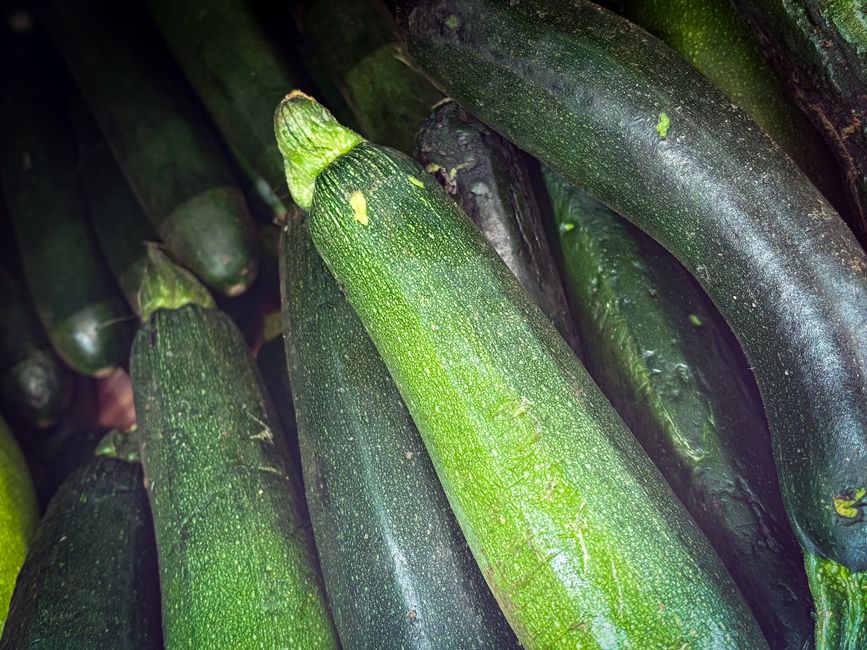
Zucchini is a low-histamine vegetable, and for most people with histamine intolerance, it is well tolerated. However, there are a few important caveats related to freshness, preparation, and individual sensitivity that can change how your body reacts to it.
Is Zucchini High In Histamine Low With Caveats?
Zucchini is considered a low-histamine food. It does not naturally contain high levels of histamine, and it is not known to trigger the release of histamine in the body the way some other foods do. For this reason, it is commonly included in low-histamine diets.
The main caveats are not about the zucchini itself but about how it is handled. Fresh zucchini is best. As vegetables age, their histamine levels can rise. Cooking and storing zucchini improperly can also increase its histamine content.
What Makes a Food High or Low in Histamine?
Histamine is a chemical involved in immune responses and digestion. Some people cannot break down histamine efficiently because they have low levels of an enzyme called diamine oxidase (DAO). When DAO activity is low, eating foods high in histamine can cause symptoms like headaches, hives, itching, digestive issues, or a runny nose.
Foods are not simply high or low in histamine. The amount can change based on how fresh the food is and how it is processed. Fermented foods like aged cheese, sauerkraut, and cured meats are typically very high in histamine. Fresh fruits and vegetables are generally low.
Zucchini fits into the low-histamine category. It is a fresh vegetable, not fermented or aged. It does not contain large amounts of histamine naturally.
Does Cooking Zucchini Change Its Histamine Levels?
Cooking fresh zucchini does not significantly increase its histamine content. Boiling, steaming, roasting, or sauteing are all acceptable preparation methods for a low-histamine diet.
However, how you store cooked zucchini matters. Leftovers that sit in the refrigerator for several days can accumulate histamine. Bacteria in the food continue to produce histamine over time, even at cold temperatures. For people with histamine intolerance, eating leftovers is often more problematic than eating freshly cooked food.
The safest approach is to cook only what you plan to eat. If you do keep leftovers, eat them within 24 hours. This applies not just to zucchini but to most low-histamine foods.

Can Zucchini Trigger Histamine Release in Some People?
There is a difference between foods that contain histamine and foods that cause the body to release histamine. Some foods act as histamine liberators, meaning they trigger mast cells to release stored histamine even though the food itself is low in histamine.
Certain fruits like citrus, bananas, and strawberries are sometimes considered histamine liberators. The evidence for this is not strong, and responses vary widely from person to person.
Zucchini is not commonly described as a histamine liberator. Most clinical guidance lists it as safe for people with histamine intolerance. That said, food sensitivities are highly individual. If you notice symptoms after eating zucchini, it is worth tracking your response and discussing it with a healthcare provider.
What About Zucchini Skin and Seeds?
The skin and seeds of zucchini are not known to contain high levels of histamine. You do not need to peel zucchini or remove seeds for histamine reasons.
Some people with digestive sensitivities find the skin harder to digest, but this is not related to histamine. If you have a sensitive digestive tract, you may prefer peeled or well-cooked zucchini. This is a comfort choice, not a histamine requirement.
How Does Zucchini Compare to Other Vegetables?
Zucchini is in the same category as most other fresh, non-fermented vegetables. It is low in histamine, similar to broccoli, cauliflower, cucumber, and leafy greens.
Some vegetables are considered higher risk for people with histamine intolerance. Tomatoes, spinach, and eggplant are sometimes listed as moderate-histamine foods, though the evidence varies. These foods may be fine for some people and problematic for others.
Zucchini is a safe starting point for most people following a low-histamine diet. It is versatile, mild in flavor, and easy to digest when cooked.
Is Organic Zucchini Better for Histamine Intolerance?
There is no evidence that organic zucchini has lower histamine levels than conventionally grown zucchini. Histamine content is not related to farming practices.
Organic produce may have fewer pesticide residues, which could matter for other health reasons. But for histamine specifically, organic and conventional zucchini are equivalent.
What matters more than organic status is freshness. A conventionally grown zucchini picked yesterday is better for a low-histamine diet than an organic zucchini that has been sitting in storage for a week.
Can Frozen Zucchini Be Part of a Low-Histamine Diet?
Frozen zucchini can be a good option, but there is a catch. Flash-frozen vegetables are typically frozen shortly after harvest, which locks in freshness. This can make them a reasonable choice for a low-histamine diet.
The problem is what happens after thawing. Once frozen zucchini thaws, it becomes soft and watery. If it sits in the refrigerator after thawing, histamine levels can rise just like with fresh zucchini.
If you use frozen zucchini, cook it immediately after thawing. Do not thaw it and leave it in the fridge for later. This reduces the chance of histamine buildup.
What Are the Symptoms of Histamine Intolerance?
Histamine intolerance can cause a wide range of symptoms. The most common ones include headaches, migraines, nasal congestion, hives, itching, flushing, and digestive problems like bloating or diarrhea.
Symptoms typically appear within a few hours of eating a high-histamine meal. They can last for several hours or longer depending on the person and the amount of histamine consumed.
If you suspect histamine intolerance, it is important to work with a healthcare provider. There is no single reliable test for this condition. Diagnosis is usually based on symptom tracking and an elimination diet.
Should You Avoid Zucchini If You Have Histamine Intolerance?
Most people with histamine intolerance do not need to avoid zucchini. It is a low-histamine food that is well tolerated by the majority of people following a low-histamine diet.
The caveats are practical ones. Eat fresh zucchini. Cook it and eat it right away. Avoid leftovers that have been stored for days. If you buy frozen, cook it immediately after thawing.
If you have a known sensitivity to zucchini specifically, trust your body and avoid it. But for most people, zucchini is a safe, nutritious choice.
Other Low-Histamine Vegetables to Consider
If you are building a low-histamine diet, you have many vegetable options beyond zucchini. Some reliable low-histamine choices include:
- Broccoli
- Cauliflower
- Cucumber
- Celery
- Green beans
- Lettuce and other leafy greens
- Bell peppers (for some people, though responses vary)
- Sweet potatoes
As with zucchini, freshness matters for all of these. Buy what you will eat within a few days. Cook in small batches. Avoid long storage.
Frequently Asked Questions
Is zucchini safe to eat on a low-histamine diet?
Yes, zucchini is considered a low-histamine food and is generally safe for people with histamine intolerance. Eat it fresh and cook it soon after purchase for the best tolerance.
Does cooking zucchini increase histamine levels?
No, cooking fresh zucchini does not significantly increase its histamine content. Storing cooked zucchini for days can raise histamine levels, so eat leftovers within 24 hours.
Can zucchini cause allergic reactions like histamine intolerance symptoms?
True zucchini allergy is rare, but possible. If you experience symptoms after eating zucchini, it may be an individual sensitivity rather than a general histamine issue.
Is frozen zucchini as low in histamine as fresh zucchini?
Frozen zucchini can be low in histamine if it was flash-frozen quickly after harvest. Cook it immediately after thawing and do not store it in the refrigerator after thawing.
