
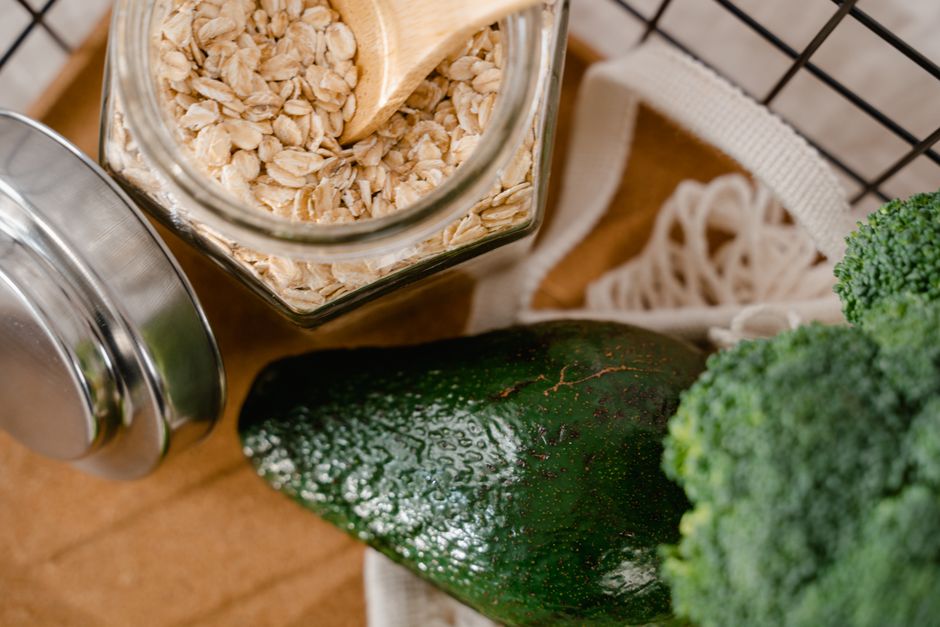
Fiber is one of the most important parts of a healthy diet, yet most Americans only get about half of what they need each day. The good news is that getting enough fiber does not require expensive supplements or complicated meal plans. It simply comes down to choosing the right whole foods. Beans, lentils, oats, and certain fruits and vegetables are the most reliable sources. Here is a practical list of high-fiber foods you can actually use at your next grocery trip, along with what the science says about how much you need.
Why Fiber Matters More Than You Think
Fiber is the part of plant foods that your body cannot digest. It passes through your digestive system mostly intact. But that does not mean it does nothing. Soluble fiber dissolves in water and helps lower cholesterol and steady blood sugar. Insoluble fiber adds bulk to stool and keeps things moving through your intestines.
Most plant foods contain both types, so you do not need to obsess over the difference. What matters is eating a variety of fiber-rich foods daily. Research consistently shows that people who eat more fiber have lower rates of heart disease, type 2 diabetes, and certain digestive conditions.
The established daily target is 25 grams for adult women and 38 grams for adult men. Most people fall short of this. If you are currently eating low-fiber meals, increase your intake gradually over a few weeks and drink plenty of water. Jumping from 10 grams to 40 grams overnight will likely cause bloating and discomfort.
Legumes: The Highest Fiber Foods Per Serving
Beans, lentils, and peas are the most concentrated fiber sources in a normal diet. A single cup of cooked lentils delivers roughly 15 grams of fiber. That is more than half the daily target for a woman in one serving. Black beans, kidney beans, and chickpeas are all in the same range.
These foods also provide plant protein, which makes them a smart choice for anyone reducing meat intake. Canned beans work just as well as dried for fiber content. Just rinse them before eating to remove excess sodium.
Here is how common legumes compare per cooked cup:
- Lentils: about 15 grams
- Black beans: about 15 grams
- Chickpeas: about 12 grams
- Kidney beans: about 13 grams
- Split peas: about 16 grams
These numbers come from USDA food composition data and are consistent across major references. If you are new to beans, start with half a cup per meal and see how your digestive system responds.
Whole Grains That Actually Count
Not all grain products are equal when it comes to fiber. White bread and white rice have had the fiber-rich bran removed during processing. Whole grains keep that bran, which is where most of the fiber lives.
Old-fashioned rolled oats provide about 4 grams of fiber per half-cup dry. Cooked quinoa offers about 5 grams per cup. Barley and bulgur are even better, with roughly 6 grams per cooked cup. Popcorn counts too — three cups of air-popped popcorn has about 4 grams of fiber.
When buying bread or pasta, check the nutrition label. A genuinely whole-grain product should list a whole grain as the first ingredient and provide at least 3 grams of fiber per serving. Products labeled “multigrain” or “wheat” are not necessarily whole grain. The label must say “100% whole grain” or list whole wheat flour first.
Brown rice is a solid choice at about 3.5 grams per cooked cup. It is not the highest fiber grain, but it is easy to swap into meals you already make. The key is consistency — replacing refined grains with whole grains at every meal adds up quickly.




Fruits With the Most Fiber Per Bite
Fruit fiber comes with natural sugars, so portion matters. But whole fruits are still a better choice than juice, which removes nearly all fiber. Berries are among the best options. A cup of raspberries provides about 8 grams of fiber. Blackberries are close behind at around 7 grams per cup.
Pears and apples are excellent too, but only if you eat the skin. A medium pear with skin has about 5.5 grams of fiber. A medium apple with skin has about 4.5 grams. Peeling these fruits cuts the fiber roughly in half.
Other strong fruit choices include:
- Avocado: about 10 grams per whole fruit
- Banana: about 3 grams per medium fruit
- Orange: about 3 grams per medium fruit
- Figs: about 3 grams per two dried figs
Dried fruits are concentrated sources of fiber, but they are also concentrated sources of sugar. A small handful of dried apricots or dates can be part of a healthy diet, but they should not replace fresh fruit as your primary source.
Vegetables That Pull Their Weight
Vegetables vary widely in fiber content. Starchy vegetables like potatoes and corn are higher in fiber than watery ones like lettuce and cucumber. But every vegetable contributes something, and variety is the goal.
Artichokes are the standout vegetable for fiber. One medium cooked artichoke provides about 7 grams. Brussels sprouts are close, with about 4 grams per cup cooked. Broccoli offers about 5 grams per cup cooked, and green peas provide about 9 grams per cup.
Leafy greens are not fiber powerhouses, but they still add up. A cup of cooked spinach has about 4 grams. Raw spinach has less because it is mostly water. The same is true for kale and collard greens — cooking them down concentrates the fiber per cup.
Carrots, sweet potatoes, and winter squash all provide 3 to 5 grams per cup cooked. Keep the skin on potatoes and sweet potatoes for the most fiber. The skin is where a significant portion of the fiber is concentrated.
Nuts and Seeds: Small But Mighty
Nuts and seeds are dense in fiber because they are dense in everything. The serving sizes are small, but the fiber adds up. Chia seeds are the standout, with about 10 grams of fiber per two tablespoons. That is remarkable for such a small amount of food.
Flaxseeds provide about 4 grams per two tablespoons. Pumpkin seeds offer about 2 grams per ounce, and almonds provide about 3.5 grams per ounce. Peanuts — technically legumes — give you about 2.5 grams per ounce.
These foods also provide healthy fats and protein, which makes them satisfying snacks. But they are calorie-dense, so portion control matters. A small handful — about one ounce — is a reasonable serving. Nut butters retain the fiber of the whole nut, with about 2 grams per two-tablespoon serving.
Ground flaxseeds are easier for your body to digest than whole ones. Your digestive system may pass whole flaxseeds without breaking them down, which means you get less benefit. Store ground flaxseeds in the refrigerator to keep them fresh.
How to Build a High-Fiber Day Without Overthinking It
You do not need to memorize fiber counts to reach your target. A simple pattern works. Start with oatmeal or a whole-grain cereal at breakfast. Add beans or lentils to lunch — a soup, salad, or wrap. Choose a vegetable-heavy dinner with a whole grain on the side. Snack on fruit, nuts, or popcorn.
This pattern naturally delivers 25 to 35 grams of fiber without any special effort. The key is making sure each meal contains at least one plant food that is not heavily processed.
One common mistake is relying on a single high-fiber food while ignoring everything else. Eating a cup of lentils every day will not fix a diet of white bread and processed snacks. Fiber works best as part of an overall pattern of whole plant foods.
Another mistake is assuming that fiber supplements replace food sources. Supplements like psyllium can help if you are falling short, but they do not provide the vitamins, minerals, and phytochemicals that come with whole foods. The evidence for benefits is strongest when fiber comes from food.
What Foods Are High In Fiber A Practical List
If you want one list to save or screenshot, here are the highest-fiber foods organized by category. Use this when you are planning meals or making a grocery list.
- Beans and lentils: lentils, black beans, kidney beans, chickpeas, split peas — 12 to 16 grams per cooked cup
- Whole grains: barley, bulgur, quinoa, oats, popcorn — 4 to 6 grams per serving
- Fruit: raspberries, blackberries, pears, apples, avocado — 4 to 8 grams per serving
- Vegetables: artichokes, green peas, broccoli, Brussels sprouts, sweet potatoes — 4 to 9 grams per cooked cup
- Nuts and seeds: chia seeds, flaxseeds, almonds, pumpkin seeds — 2 to 10 grams per small serving
No single food on this list is magic. The goal is to include several of them across your day. If you are currently eating very little fiber, add one or two of these foods per day for the first week. Then add more as your body adjusts.
Fiber is one of the few dietary components where the evidence is overwhelmingly consistent. Higher intake is linked to better health outcomes across multiple major studies. And unlike many nutrition trends, the advice has not changed in decades. Eat more whole plant foods. That is the entire strategy.
Frequently Asked Questions
What fruit has the most fiber?
Raspberries lead most fruits with about 8 grams of fiber per cup. Avocado is also very high at about 10 grams per whole fruit.
How much fiber do I need per day?
Adult women need about 25 grams daily and adult men need about 38 grams. Most Americans get roughly half of that amount.
Can I eat too much fiber at once?
Yes, a sudden large increase can cause bloating, gas, and cramping. Increase your intake gradually over several weeks and drink more water.
Do fiber supplements work as well as food?
Supplements can help you reach your daily target, but they lack the vitamins and other nutrients found in whole foods. Food sources are the better choice when possible.
